
 My cart
GARDENING TIPS
H : 40 – 50 cm
D : 30 – 45 cm
Soil : well-drained.
Parts used : flowers.
PROPERTIES
Reputed for skincare, healing, antifungal, diuretic, anti-inflammatory, cleansing, emmenagogue, and more. It gently cleanses the liver/kidneys/blood.
USES
Used for all skin problems, irritations, itching, fungus, varicose veins, etc. For cooking : its beautiful orange ligules are perfect for decorating salads, rice, bread, muffins, etc.
CONTRAINDICATION
* Not recommended during pregnancy.


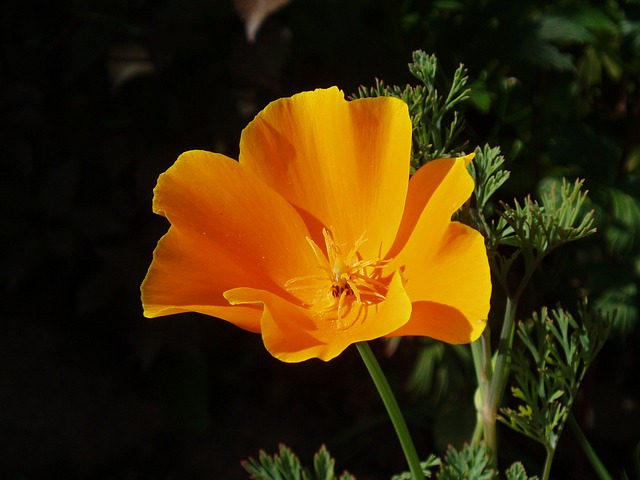
California Poppy
French name : Pavot de Californie
Latin name : Eschscholzia californica
Family : Papaveraceae
GARDENING TIPS
H : 20 – 60 cm
D : 15 – 30 cm
Soil : all types of soil, well-drained.
Parts used : the entire plant, including its roots. * Transplant with care or sow directly in the garden.
PROPERTIES
Bitter, sedative, antispasmodic, diuretic, diaphoretic, analgesic, etc.
USES
Used for anxiety, nervous tension, insomnia, enuresis (in children), etc. For cooking : its silky orange petals are edible.
CONTRAINDICATION
* Not recommended during pregnancy.
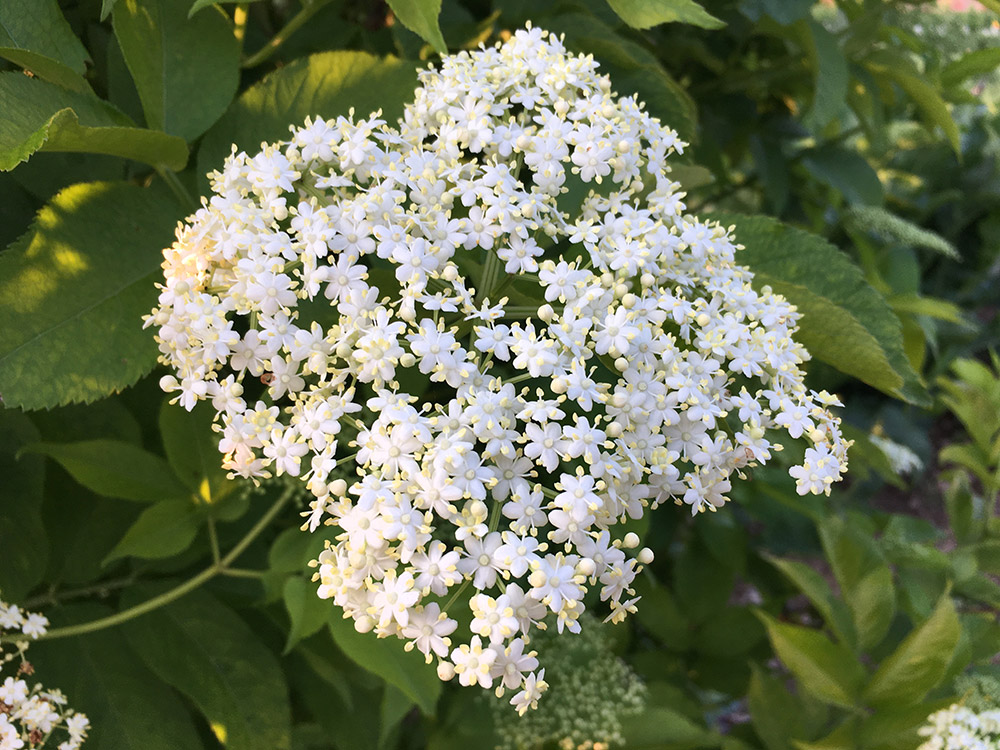
Canadian Elderberry
French name: Sureau du Canada
Latin name : Sambucus canadensis
Family : Adoxaceae
GARDENING TIPS
H : 20 – 40 cm
D : 10 – 30 m
Soil : humid and well-drained.
Used parts : flowering tops at the very beginning of blooming.
PROPERTIES
Bitter, refreshing, alterative, anti-inflammatory, antiviral, febrifuge, mucolytic, diuretic, etc.
USES
Used for flu, fever, colds, sinusitis, earaches, constipation, arthritis, etc. Its black fruit is rich in vitamin C and often used for making syrup. External use : the flowers are used for making lotions, oils, ointments for skincare, etc. For cooking : its pleasantly fragrant flowers are used to flavour beverages and lemonade, and are also delicious when fried as fritters..

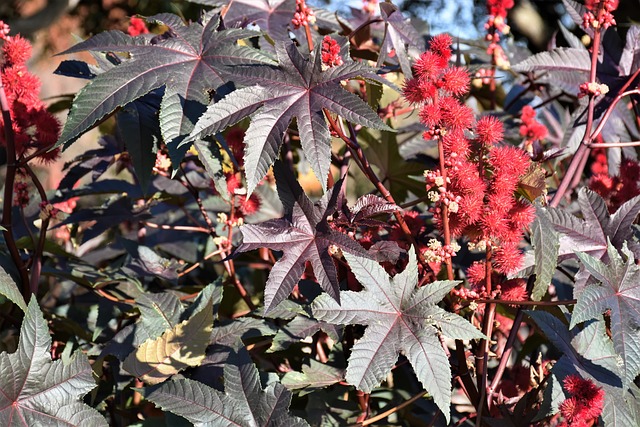
GARDENING TIPS
H : 1,5 – 2 m
D : 1 m
Soil : very rich and well-drained.
Parts used : cold-pressed, preferably organic oil.
PROPERTIES
A very tall plant cultivated here as an ornamental plant. If grown in a pot, it should be of large size. The oil extracted from its seeds, sold in natural food stores, is known as a powerful anti-inflammatory.
USES
External use only : Apply the oil as a compress to reduce various types of pain, such as a stiff neck, or lum- bago, to help dissolve cysts and stones, or on the abdomen to soften stool during constipation, etc.*Soak a flannel or wool cloth, apply, and cover with a hot water bottle.
CONTRAINDICATION
* Not recommended (external use) during pregnancy, breastfeeding, and for children under 2 years old. * Caution : the plant is highly toxic, and ingesting just two seeds is enough to kill an adult. It’s crucial to wash hands after touching any part of the plant, as all parts are toxic.
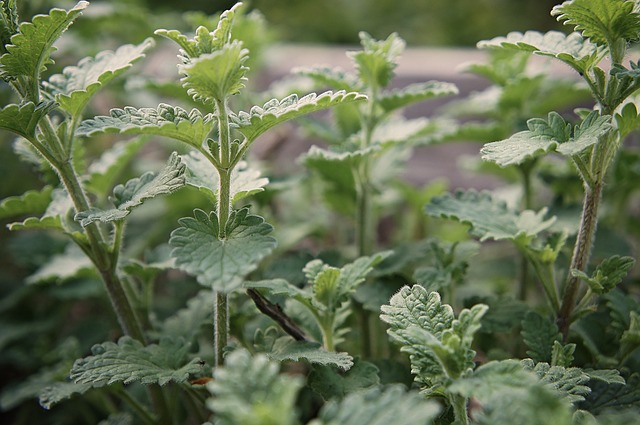
GARDENING TIPS
H : 30 cm – 1 m
D : 30 – 60 cm
Soil : well-drained.
Parts used : flowering tops.
PROPERTIES
Stomachic, carminative, antispasmodic, soothing, emmenagogue, relaxing, antiseptic, cholagogue, nervine, sudorific, etc.
USES
Used for nervous digestion, bloating, intestinal cramps, fever, menstrual pain, insomnia, withdrawal (nicotine, cannabis), etc. It helps a lot to comfort children when they are ill or unwell. External use : it is also found in cat toys because it excites them.
CONTRAINDICATION
* Not recommended for medicinal use and during pregnancy.
Cayenne
French name: Cayenne
Latin name : Capsicum annuum
Family : Solanaceae
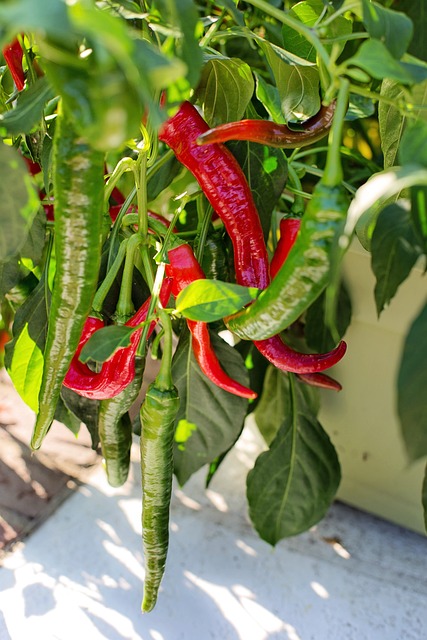
GARDENING TIPS
H : 60 – 75 cm
D : 45 cm
Soil : rich and well-drained.
Parts used : fruit.
PROPERTIES
Stimulating, circulatory, digestive, antiseptic, hemostatic, revulsive (external), hypertensive, etc.
USES
Used for congestion, colds, mucus, flu, asthma, heavy leg sensation, poor circulation, Raynaud’s syndrome (with hawthorn), back pain (external), low pressure, sore throat, laryngitis, loss of voice, etc. For cooking : used to give spiciness to food. If you don’t want it to be irritating to the stomach and preserve its good properties, add it sparingly and avoid heating it.
Celandine
French name : Chélidoine
Latin name : Chelidonium majus
Family : Papaveraceae
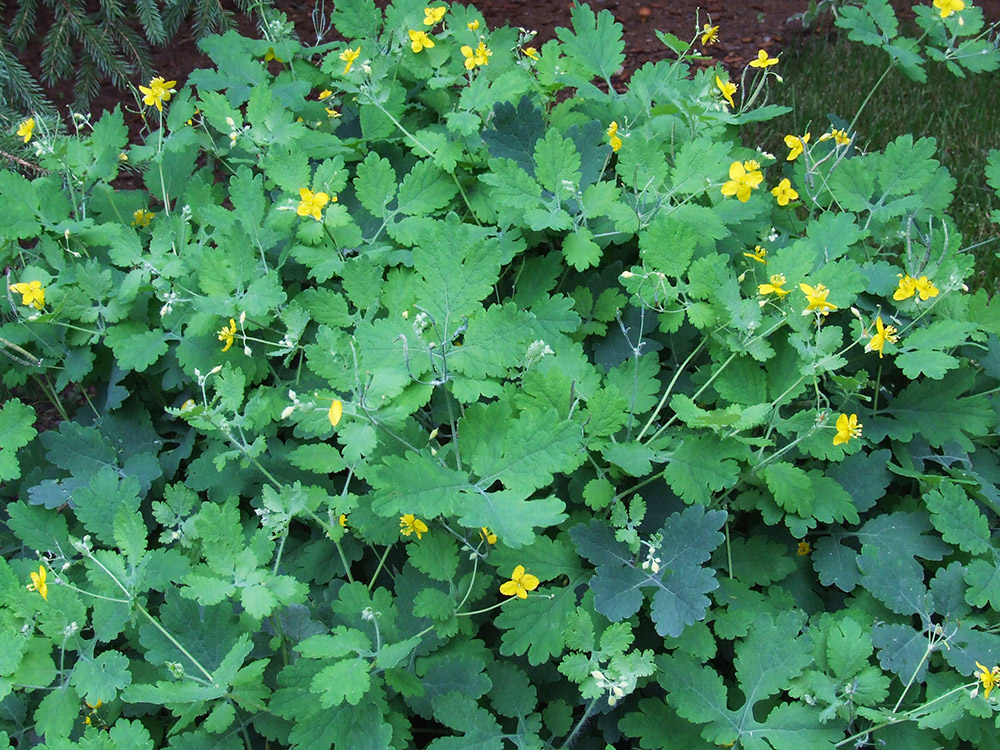
GARDENING TIPS
H : 30 – 90 cm
D : 30 – 45 cm
Soil : almost all types.
Parts used : fresh sap.
PROPERTIES
Cleansing, antifungal, anti-inflammatory, etc.
USES
External use only : apply the fresh sap, daily on corns or warts.
CONTRAINDICATION
* Not recommended during pregnancy, breastfeeding, and for children under 2 years old. * May cause skin irritation. * Never put on an open wound. ** Improper application or failure to protect the surrounding skin with ointment can result in the caustic sap burning not only warts and corns but also the skin around it.

Chicory
French name: Chicorée
Latin name : Cichorium intybus
Family : Asteraceae
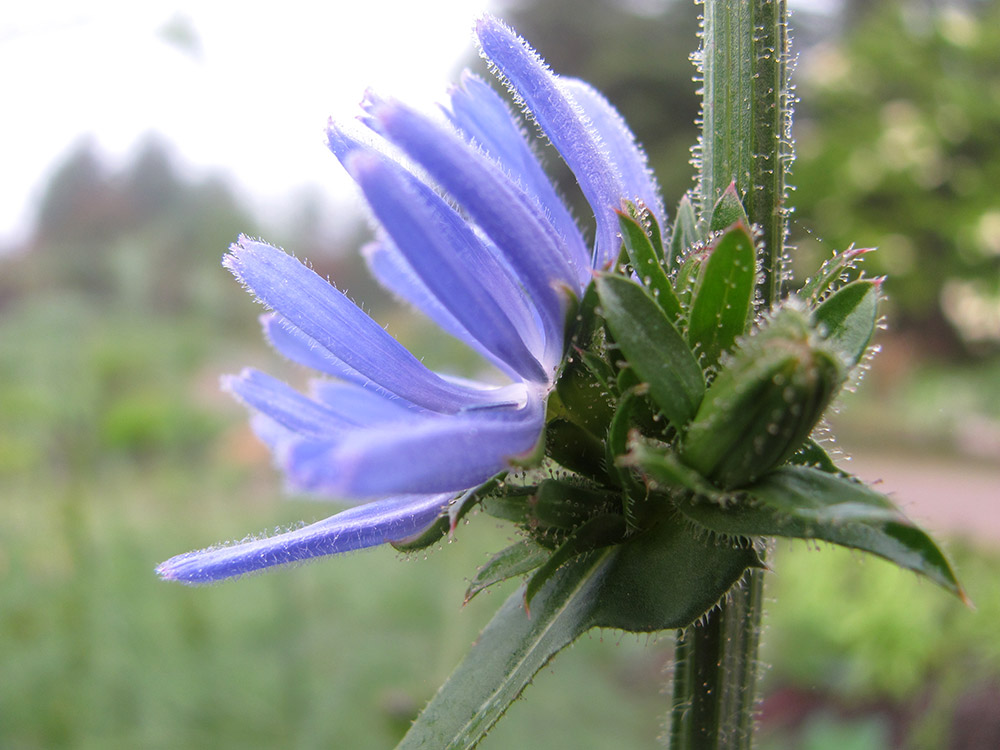
GARDENING TIPS
H : 30 cm – 1,5 m
D : 30 – 45 cm
Soil : well-drained and rich.
Parts used : leaves before flowering, flowers and roots.
PROPERTIES
Bitter, appetite stimulant, diuretic, laxative, anti-inflammatory, and tonic for the liver, culinary, etc.
USES
Used for problems related to liver, digestion, lack of appetite, hemorrhoids, spring purification for the liver, skin problems, diabetes (mild), rheumatism and gout, etc. For cooking : the young leaves or freshly picked petals can be consumed in salads, and the young shoots steamed, the roots can be boiled and served with sauce or roasted and ground as a coffee substitute.
CONTRAINDICATION
* Not recommended during pregnancy.
Chives
French name : Ciboulette
Latin name : Allium shoenoprasum
Family : Amaryllidaceae
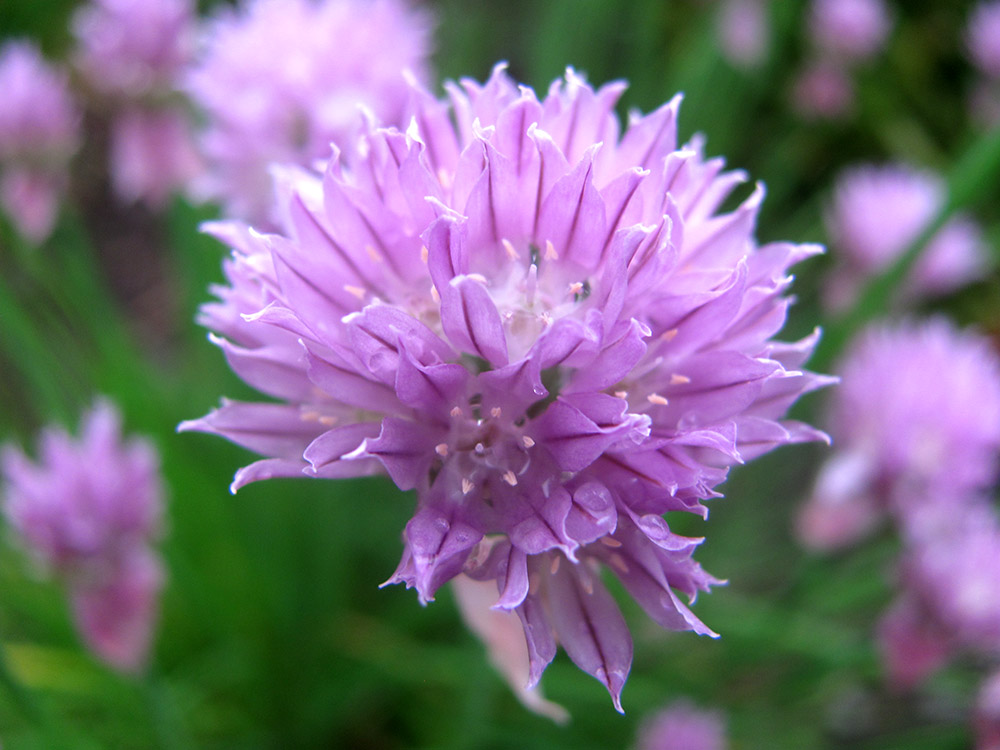
GARDENING TIPS
H : 30 – 60 cm
D : 30 – 45 cm
Soil : rich and well-drained.
Parts used : Young stems and/or florets.
* Very difficult to dry without a dehydrator.
PROPERTIES
Appetite stimulant, anti-inflammatory, vulnerary, depurative, antiseptic, etc.
USES
Used especially to stimulate appetite, and more. For cooking : Add at the end of cooking or use raw finely chopped, with eggs, rice, salads, cream cheese, potatoes, yogurt, and/or sour cream sauces, bechamel sauce, etc. Concerning the flowers, detach them from the inflorescence (the round ball is the inflorescence, containing multiple florets).
Comfrey
French name : Consoude
Latin name : Symphytum officinale
Family : Boraginaceae
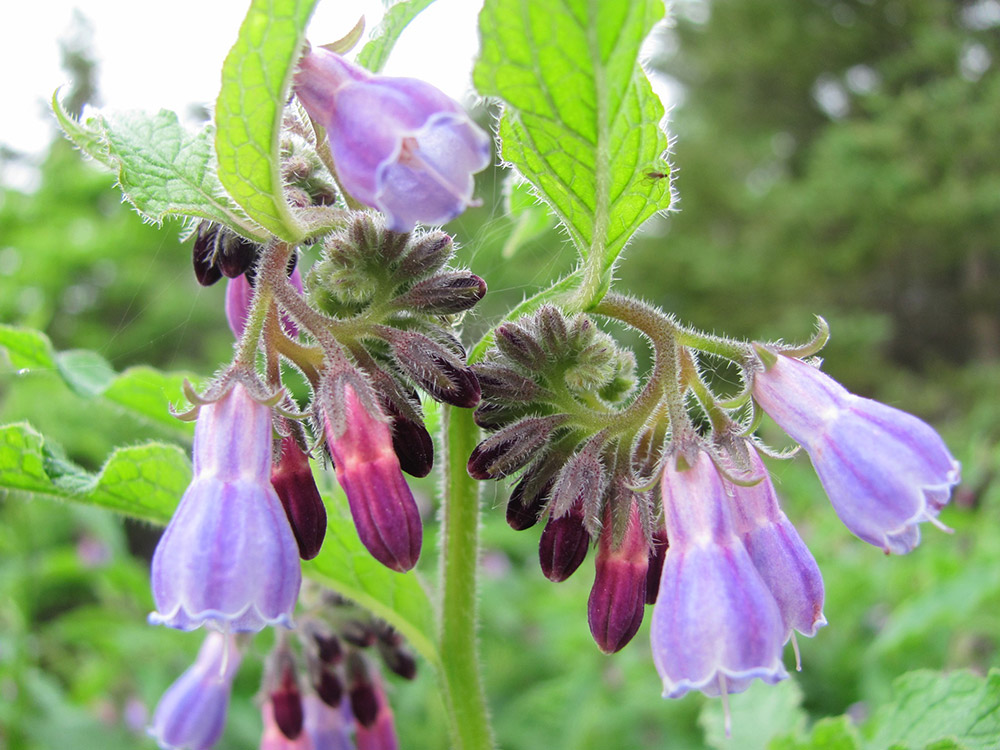
GARDENING TIPS
H : 60 cm – 1,2 m
D : 60 cm
Soil : rich (compost).
Parts used : roots at least 2 years old.
PROPERTIES
Healing, emollient, antiseptic, anti-inflammatory, astringent, refreshing, etc.
USES
External use only : for wounds, burns, chapping, fractures, sprains, varicose veins, eczema, psoriasis, hemorrhoids, etc.
CONTRAINDICATION
* Not recommended during pregnancy, breastfeeding and for children under 2 years old. * For external use only.
Common Mallow
French name : Mauve Sylvestre
Latin name : Malva sylvestris
Family : Malvaceae
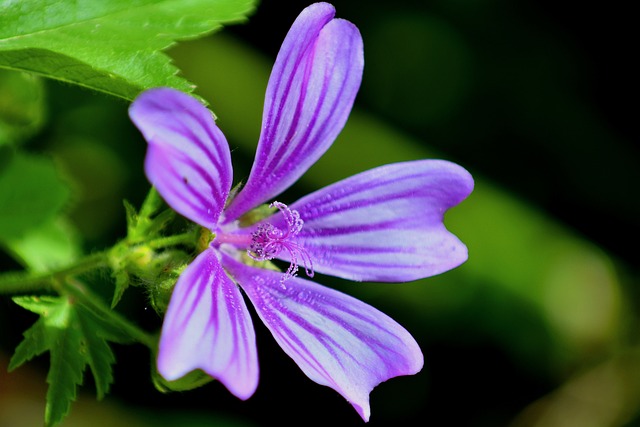
GARDENING TIPS
H : 45 – 90 cm
D : 60 – 90 cm
Soil : well-drained.
Parts used : leaves, flowers, roots.
PROPERTIES
Emollient, soothing, lubricating, anti-inflammatory, refreshing, healing, nutritive, laxative, expectorant, etc.
USES
Used like the marshmallow, wherever softening is needed, and wherever there is a burning sensation: cough, asthma, bronchitis, constipation, irritations, diarrhea, cystitis, mouth ulcers, abscesses, boils, skincare, etc. For cooking : its leaves, flowers, and green fruit, are edible. External use : as a poultice on wounds, burns, skincare, etc.
Common Mugwort
French name : Armoise vulgaire
Latin name : Artemisia vulgaris
Family : Asteraceae

GARDENING TIPS
H : 60 cm – 1,7 m
D : 60 cm – 1 m
Soil : well-drained, rich, and humid.
Parts used : leaves and flowering tops.
PROPERTIES
Antiparasitic, wormer, bitter tonic (for the liver and digestion), antispasmodic, emmenagogue, estrogenic, etc.
USES
Used to regulate the menstrual cycle to relieve stomach pain and menstrual pain, etc.
CONTRAINDICATION
* Not recommended during pregnancy, breastfeeding and for children under 2 years old. * Use only in small doses and for short periods. * I recommend being accompanied by a qualified herbalist for the use of this plant.
Common Sage
French name : Sauge
Latin name : Salvia officinalis
Family : Lamiaceae
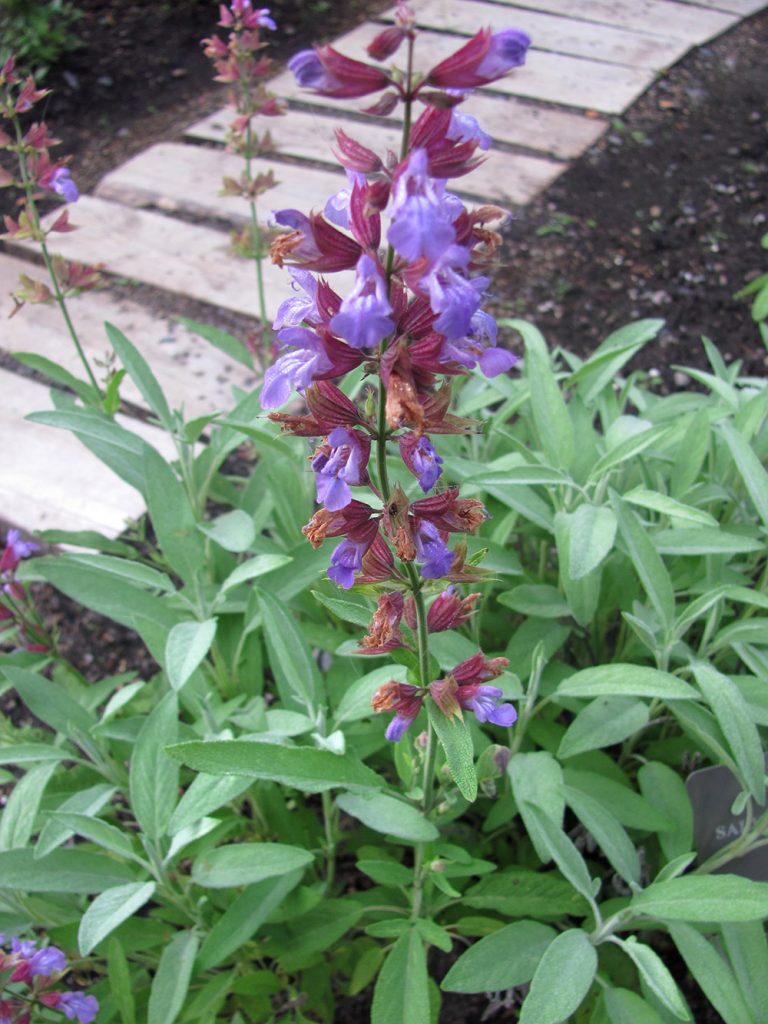
GARDENING TIPS
H : 30 – 45 cm
D : 30 – 45 cm
Soil : light and well-drained.
Parts used : leaves and flowering tops.
PROPERTIES
Aromatic, antitussive, expectorant, depurative, antiseptic, estrogenic, promotes blood circulation, aids digestion of fats, purifying, emmenagogue, etc.
USES
Used to alleviate hot flashes during pre-menopause and menopause, relieve painful or irregular menstruation, suppress lactation, treat respiratory diseases, smoking, phlebitis, excessive sweating, aid digestion of fats, etc. External use : it can be used as a foot bath to combat unpleasant odours, as a mouth rinse, and for fumigation to purify the air. For cooking : it pairs well with fatty meats, poultry, stuffings, vegetarian pies, etc. Its flowers are also edible.* Caution: It should be used in very small quantities as it has a strong flavour.
CONTRAINDICATION
* Not recommended during pregnancy, breastfeeding, and for children under 2 years old.
GARDENING TIPS
H : 15 – 70 cm
D : 10 – 30 cm
Soil : well-drained.
Parts used : leaves and seeds.
PROPERTIES
Appetite stimulant, digestive, expectorant, etc.
USES
Used for all minor digestive problems, and more. For cooking : its leaves are used to make ceviche, pesto, and its seeds in sauerkraut, and more.
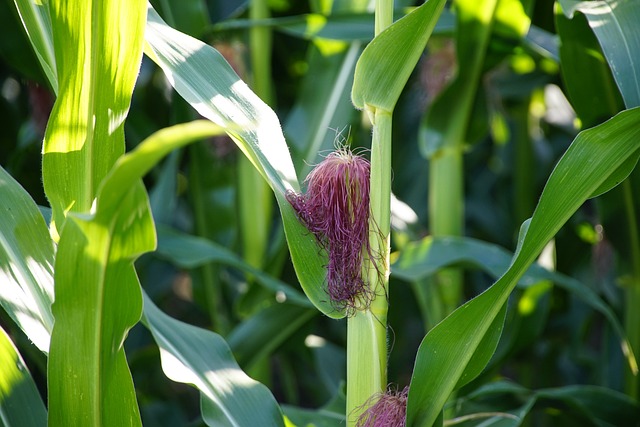
GARDENING TIPS
H :2 – 3 m
D : 45 cm
Soil : rich and well-drained.
Parties utilisées : silk (stigma).
PROPERTIES
Sweet, refreshing, soothing, diuretic, prevents the formation of urinary stones, stimulates bile secretion, helps lower blood sugar levels, anti-inflammatory for the urinary system, etc.
USES
Used for cystitis, urinary stones, bladder or prostate inflammation, enuresis, etc. For cooking : Its ears filled with sweet kernels are appreciated by both young and old. Furthermore, cornstarch is widely used as a thickener. * Always try to buy organic, especially if you want to use the silk (stigma).
CONTRAINDICATION
* The silks are not recommended during pregnancy.
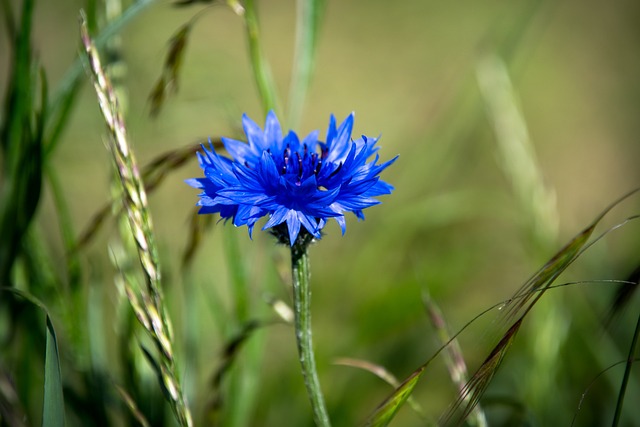
GARDENING TIPS
H : 40 cm – 1 m
D : 15 – 30 cm
Soil : well-drained.
Parts used : flowers.
PROPERTIES
Anti-inflammatory, ophthalmic (reputed for eye care), soothing, astringent, antiseptic, purifying, digestive, etc.
USES
Used for water retention, inflammation, ulcers, etc. External use: (in the form of cooled concentrated tea) for irritated, swollen eyes, conjunctivitis, burns, wounds, etc. For cooking : even if they are basically tasteless, the pretty flowers can be used for decorating.* Break up the tiny flowers of the flower head.
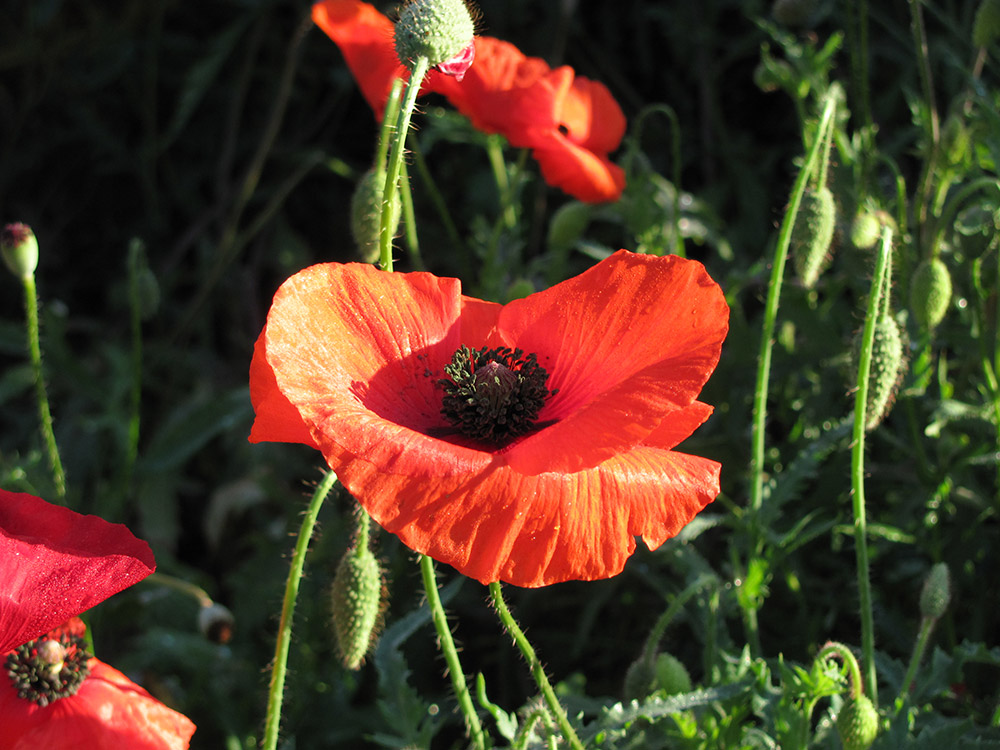
GARDENING TIPS
H : 40 – 90 cm
D : 25 – 45 cm
Soil : rich, humid, and well-drained.
Parts used : only the petals.. * Transplant with care or sow directly in the garden.
PROPERTIES
Antispasmodic, calming, bechic, expectorant, digestive (especially of nervous origin), sedative, emollient, etc.
USES
Used for nervous digestion, cough, relaxation, insomnia, spasms, etc. External use: as a poultice, as an emollient on insect bites, for eye infections, and all kinds of cold abscesses or calluses. For cooking : its silk petals can be eaten fresh, finely cut to add colour to salads, fruit salads, desserts, syrups, etc..
CONTRAINDICATION
* Must not use the part of the flower called “capsule” (seed pods) because it contains alkaloids which are toxic in large doses. Use only the beautiful red petals.
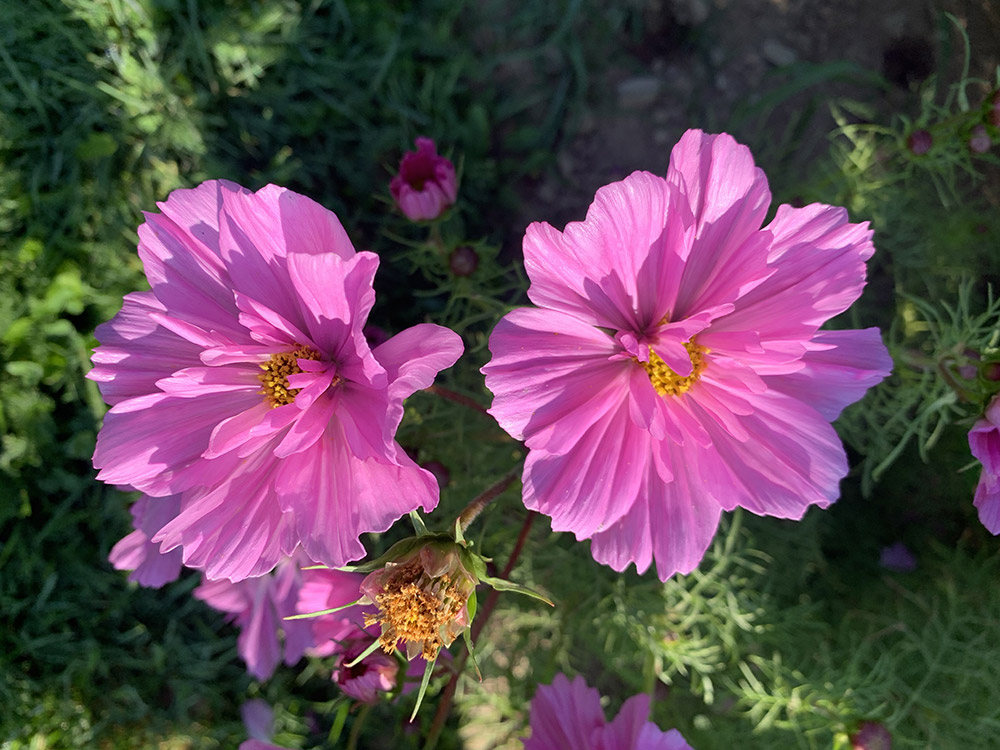
GARDENING TIPS
H : 1,2 m
D : 30 – 45 cm
Soil : rich and well-drained.
Parts used : petals or flowers.
PROPERTIES
Edible flowers, ornamental, embellishes gardens, and attracts pollinators.
USES
For cooking : Its petals are edible. They don’t really have any taste, but they are great for decorating desserts, salads, trays, etc.
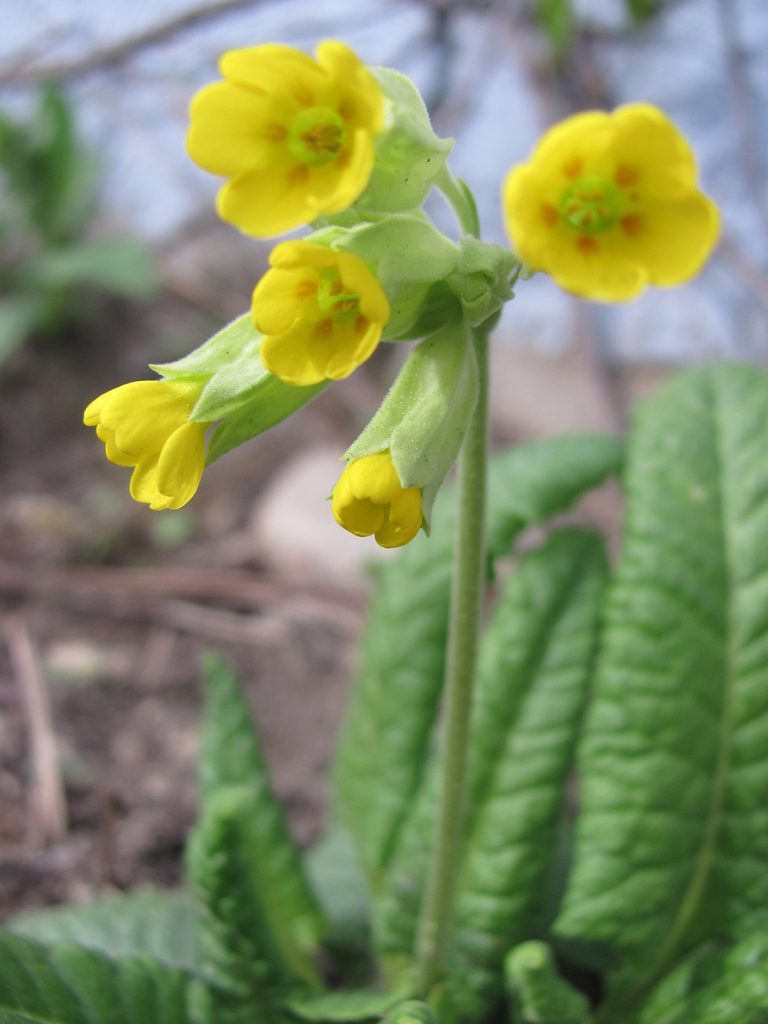
GARDENING TIPS
H : 15 – 20 cm
D : 15 – 20 cm
Soil : rich, moist, and well-drained.
Parts used : young leaves or flowers.
PROPERTIES
Expectorant, blood thinner (ASA), anti-inflammatory, febrifuge, dia- phoretic, diuretic, antispasmodic, sedative, mucor (roots), etc
USES
Used for hyperactivity, insomnia (children), asthma, allergies, cough, bronchitis, rheumatism, fever, etc. External use, for bruises. For cooking : Its young leaves can be eaten raw in salads or added to soups, additionally, its vibrant yel- low flowers have a zesty taste. They can enhance, decorate and make your dishes visually appealing.
CONTRAINDICATION
* Do not use it if you have high blood pressure or if you are allergic to ASA. * In large quantities may cause intestinal irritation.
Crampbark
French name : Pimbina
Latin name : Viburnum opulus
Family : Caprifoliaceae
GARDENING TIPS
H : 4 m
D : 4 m
Soil : deep and moist.
Parts used : bark.
PROPERTIES
Bitter, astringent, sedative, antis- pasmodic, regulates uterine func- tions, hypotensive, etc.
USES
Used for menstrual pain, miscarriage, uterine pain, nervous constipation, muscle cramps, hypertension, etc. For cooking : Its ripe fruit is edible after cooking. Due to its strong bitterness, it’s often used for making jelly.
CONTRAINDICATION
Do not exceed recommended doses. Consult your herbalist. * Its green fruit is toxic.
Dahlia
French name : Dahlia
Latin name : Dahlia variabillis sspp
Family : Asteraceae
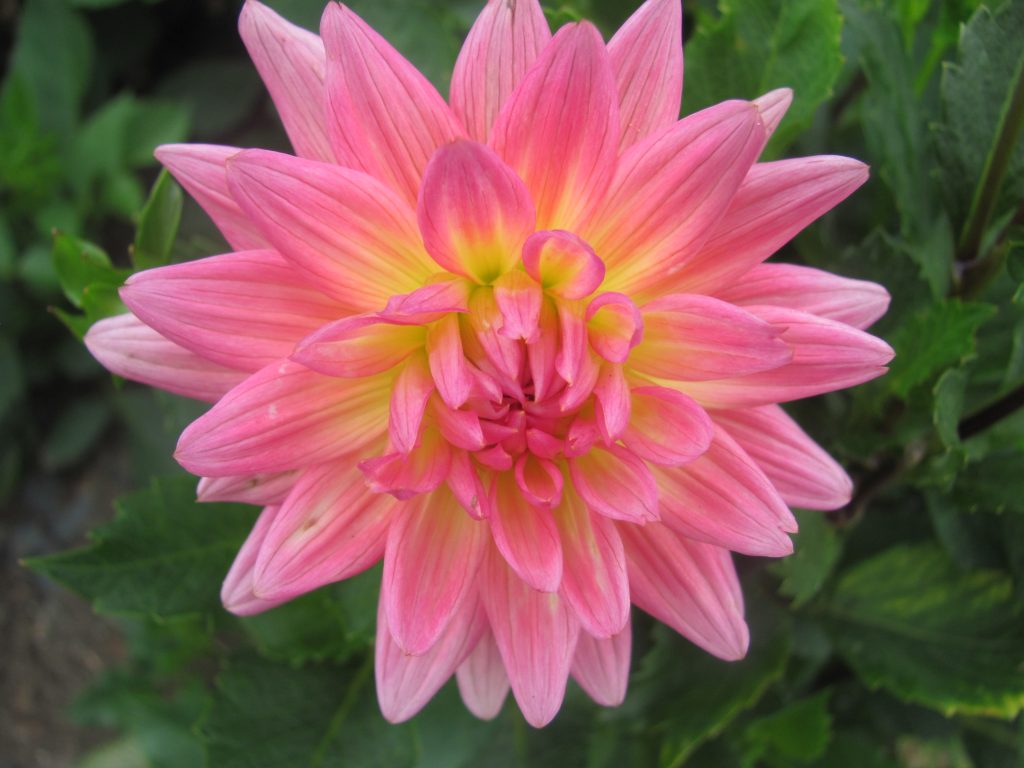
GARDENING TIPS
H : 1,2 m
D : 45 – 90 cm
Soil : rich, deep, and well-drained.
Parts used : petals and tubers.
*As it is a tender perennial, we have to bring its tubers inside to replant them the following spring.
PROPERTIES
An ornamental and edible plant.
USES
Used as a cut flower in bouquets, as it remains beautiful for long periods and offers a wide range of colours. For cooking : its petals are edible as well as its tubers steamed and served with a dressing or other sauces, etc.
Dandelion
French name : Pissenlit
Latin name : Taraxacum officinalis
Family : Asteraceae
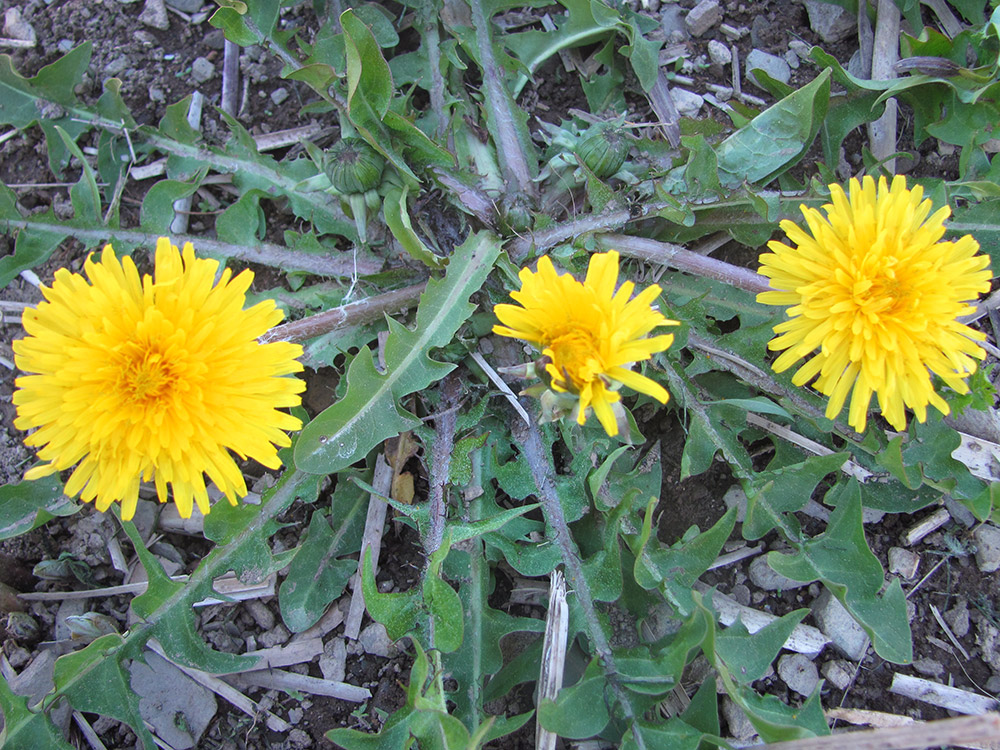
GARDENING TIPS
H : 30 cm
D : 45 cm
Soil : all types of soil.
Parts used : leaves or roots.
PROPERTIES
Considered as a panacea (healing for everything). Bitter, refreshing, diuretic, laxative, digestive, anti-in- flammatory, circulation, etc.
USES
Used for liver cleansing (spring autumn), edema, lymphatic conges- tion, gallstones, urinary problems, bladder problems, liver or gallblad- der issues, constipation, enuresis, arthritis, rheumatism, jaundice, cir- rhosis (with milk thistle), etc For cooking: its young mineral-rich leaves are eaten early in spring before flowering, its flowers are used to make wine and its steamed roots are delicious when served with olive oil, salt, lemon, etc.
Daylily
French name : Hémérocalle fauve
Latin name : Hemerocallis fulva
Family : Xanthorrhoeaceae
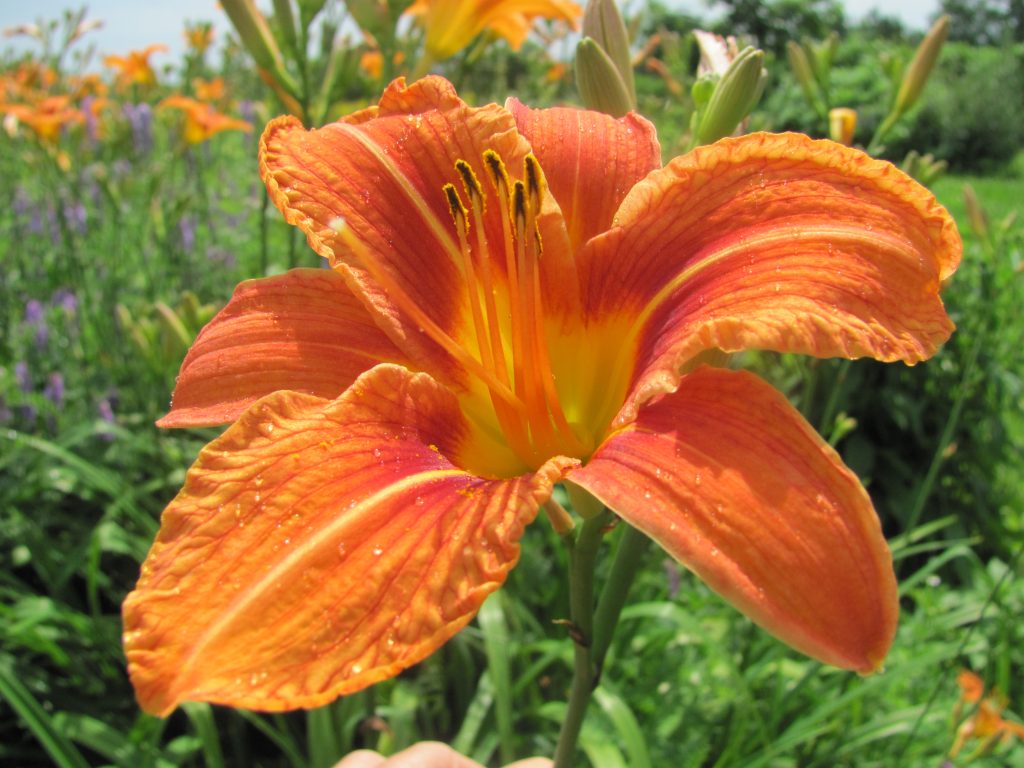
GARDENING TIPS
H : 50 cm – 1,2 m
D : 45 cm
Soil : rich, well-drained, and moist.
Parts used : buds and petals.
PROPERTIES
Naturalized ornamental, culinary, digestive, antacid, etc.
USES
Its petals are used for making herbal tea to help digestion, etc. For cooking : These beautiful colourful flowers, fresh and crunchy, are very popular in Chinese cuisine. The petals and buds can be stirfried. Since it is a flower that lasts only a day, don’t hesitate to pick it to enhance your fruit salads or green salads daily. You can even remove the pistils and stamens and keep the whole flower for stuffing, etc.
GARDENING TIPS
H :60 – 90 cm
D : 15 – 30 cm
Soil : well-drained.
Parts used : leaves, flowering tops, and especially seeds.
* Transplant with care or sow directly in the garden.
PROPERTIES
Aromatic, digestive, carminative, stomachic, antispasmodic, culinary, galactagogue, etc.
USES
Used for digestion, bloating, flatulence (gas), colic, headaches (from digestive origin), hiccups, nausea, vomiting, etc. For cooking : with eggs, mayonnaise, fish, pickling, sauerkraut, etc.*I make a delicious vinegar flavoured with dill and a little garlic.
CONTRAINDICATION
* Its fruits is not recommended during pregnancy.
Echinacea
French name : Échinacée
Latin name : Echinacea purpurea
Family : Asteraceae
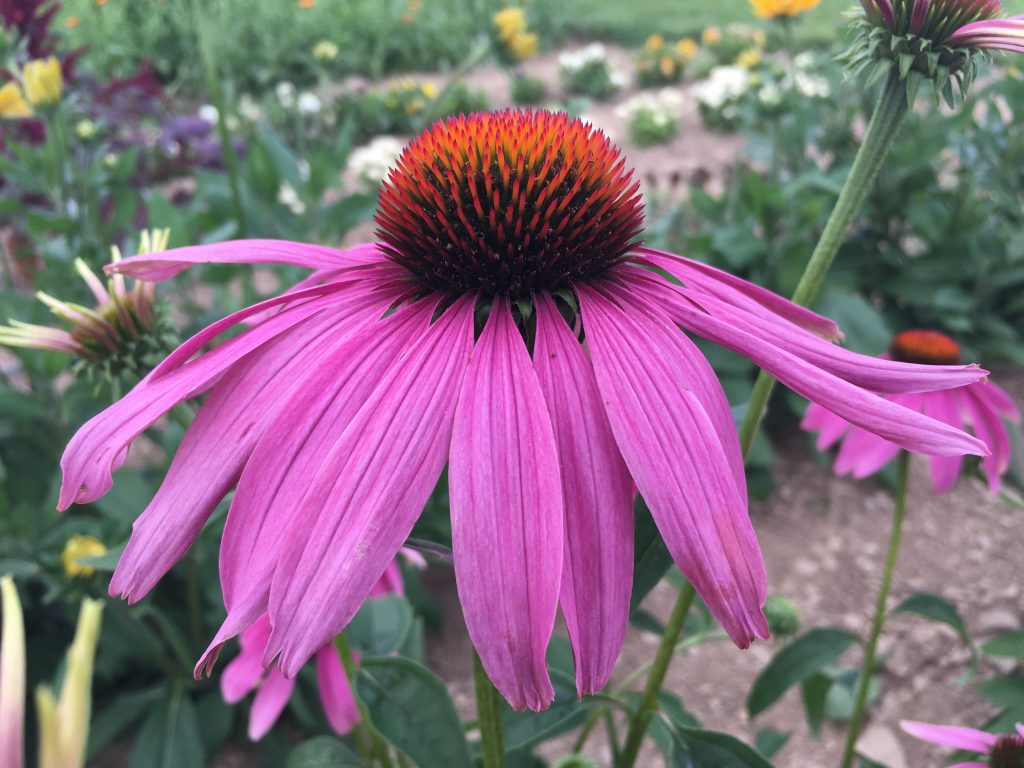
GARDENING TIPS
H : 1,2 m
D : 50 – 60 cm
Soil : rich and well-drained.
Parts used : leaves and flowers in tea and particularly the roots of at least 4 years old. *Very pretty and fragrant pink flower.
PROPERTIES
Immune stimulating, antibiotic, analgesic, antifungal, antiseptic, antiviral, healing, etc.
USES
Used to prevent infections, to strengthen the immune system, for gargling to treat sore throat, etc. External use : as a compress against infections, insect bites, fungi, dermatitis, etc. For cooking : the petals are edible and used especially to decorate plates.
CONTRAINDICATION
* Do not take all year round. It is advised to take at the change of seasons, or at the beginning of an infection depending on the case, and if taken in a preventive way stop 2 days/week, 1 week/month, and 3 consecutive months maximum if necessary. * Not recommended if you are undergoing immunosuppressive treatments, such as those for leukemia or AIDS or if you have cancer.
Edelweiss
French name : Edelweiss
Latin name : Leontopodium alpinum
Family : Asteraceae
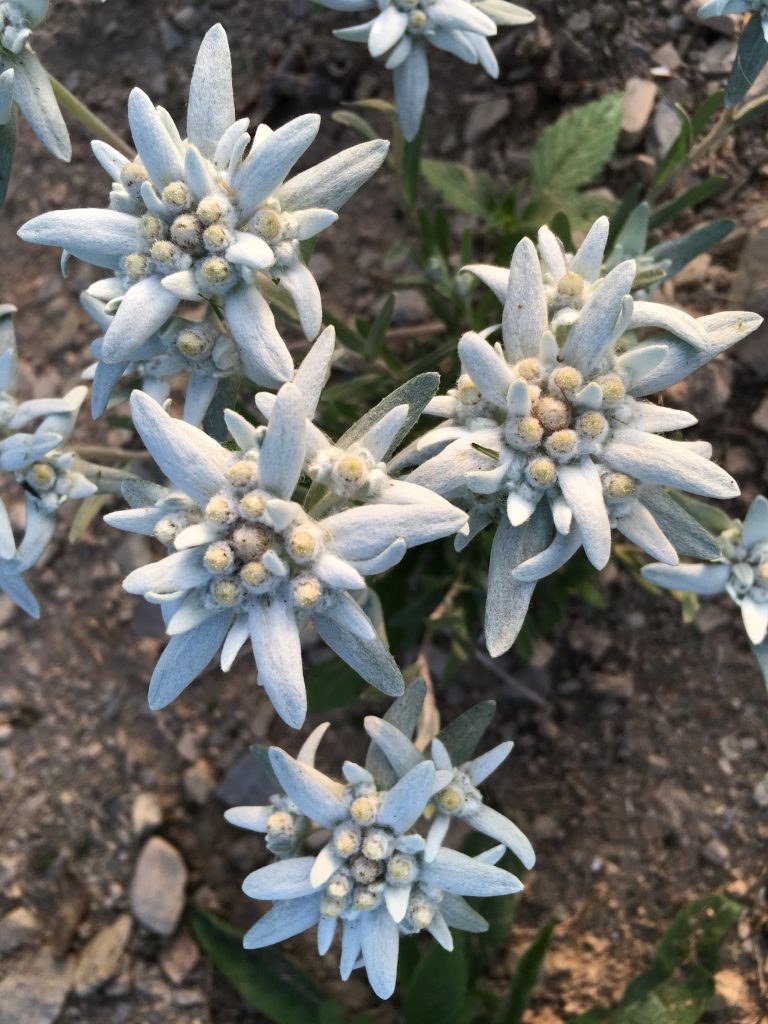
GARDENING TIPS
H : 25 – 30 cm
D : 20 cm
Soil : dry and well-drained.
Parts used : flowers.
PROPERTIES
Rich in antioxidants, moisturizing, skin revitalizing, soothing and softening, antidiarrheal, etc.
USES
Used in herbal tea for coughs, diarrhea, and more. External use : for anti-aging of the skin, redness, wrinkles, sensitive skin, etc.
CONTRAINDICATION
* We have not found any information on contraindications during pregnancy, breastfeeding and for children under 2 years old.
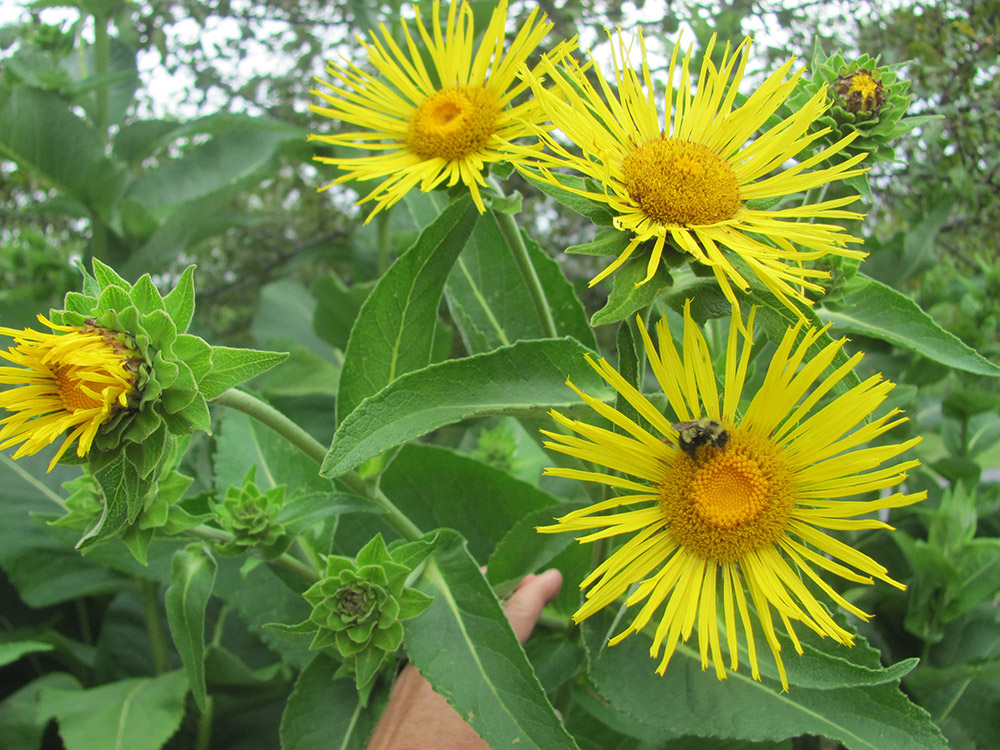
GARDENING TIPS
H : 2 – 3 m
D : 50 cm – 1 m
Soil : moist and well-drained.
Parts used : roots at least 2 years old.
PROPERTIES
Bechic, tonic, blood purifier, diuretic, antiseptic, etc.
USES
Used for respiratory tract diseases (angina, bronchitis, cough, asthma, etc.) acne, scabies, impetigo, herpes, etc.
CONTRAINDICATION
* Not recommended during pregnancy and breastfeeding.
Eucalyptus
French name: Eucalyptus
Latin name : Eucalyptus globulus
Family : Myrtaceae
GARDENING TIPS
H : 30 – 45 m (at maturity)
D : 12 m (at maturity)
Soil : rich and well-drained.
Parts used : leaves and essential oil. *It can be grown in pots or cultivated as annuals.
PROPERTIES
An aromatic tree that grows in Australia and other warm regions. The essential oil is made from its leaves and should be used for external use only, either as an inhaling oil or as a liniment for decongesting, expectorant, or applying on the skin as a painkiller, antibacterial (Staphylococcus), muscle relaxant, and more.
USES
External use only : as inhalation or external applications for colds, rhinitis, sinusitis, flu, bronchitis, etc. In lotions to address pain, arthritis, rheumatism, etc., or as an ointment on a wound or an abscess. Other uses : Eucalyptus Cinerea is easier to grow and is often used in fresh and dried bouquets for its branches with smaller, pretty, and delicate rounded leaves.
CONTRAINDICATION
* For external use only. * May irritate the skin must be well diluted in vegetable oil. * At high dosage can cause headaches, convulsions and even death.
