
 My cart
Feverfew
French name : Grande camomille
Latin name : Tanacetum parthenium
Family : Asteraceae
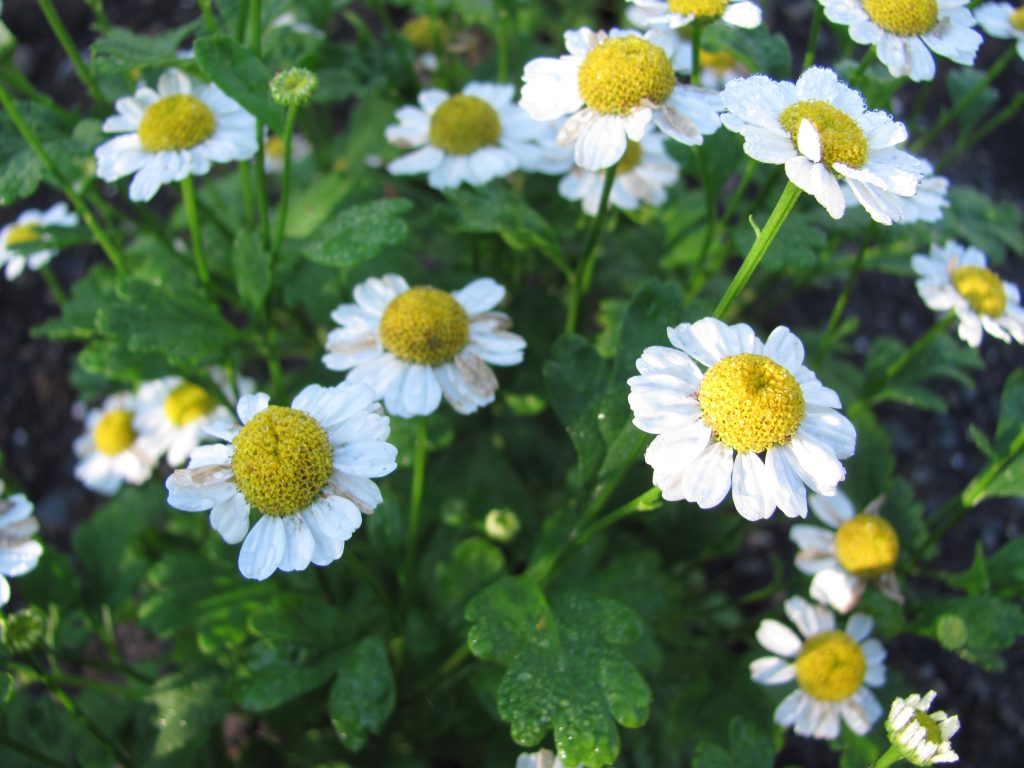
GARDENING TIPS
H :45 cm
D : 30 – 45 cm
Soil : well-drained.
Parts used : leaves, flowering tops.*Loses many of its properties when dried, so use in the form of a liquid concentrate.
PROPERTIES
Reputed for treating headaches. It helps to alkalize the body and has properties such as being febrifuge, calming, emmenagogue, digestive, antalgic (relieves pain), and more.
USES
Used to alleviate headaches (especially those of nervous origin), fever, reduce pain caused by rheumatism or other conditions, menstrual pain, and more.
CONTRAINDICATION
* Not recommended during pregnancy. * Its fresh leaves and flowers can cause mouth ulcers if chewed as is.


Figwort
French name : Scrofulaire noueuse
Latin name: Scrophularia nodosa
Family : Scrophulariaceae
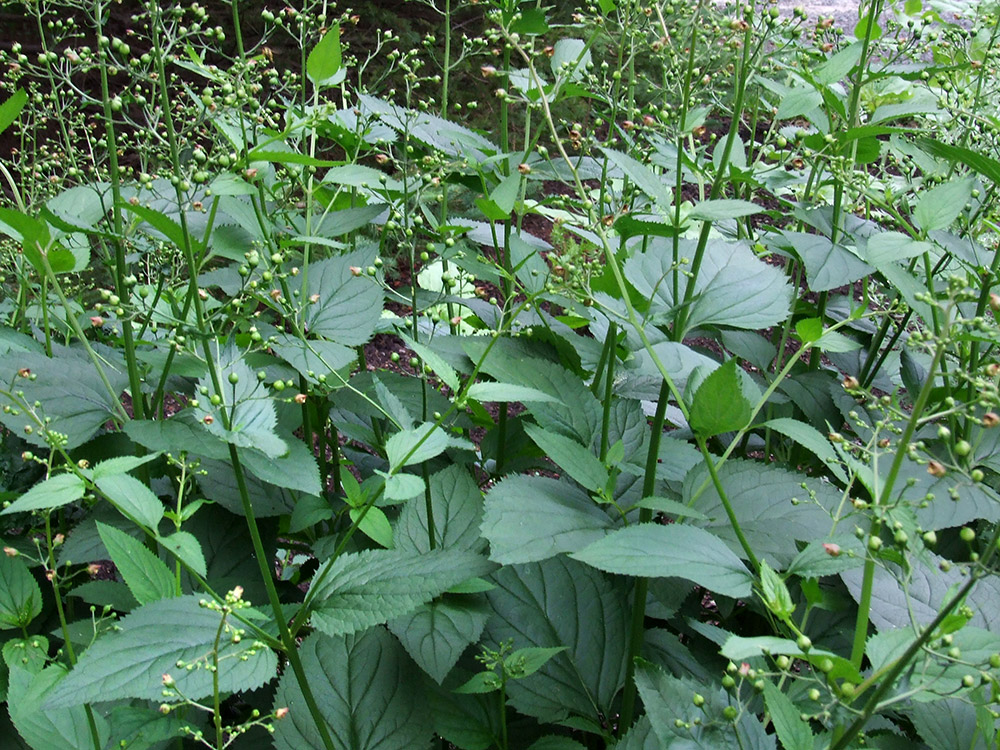
GARDENING TIPS
H :40 cm – 1,2 m
D :15 – 45 cm
Soil : moist or wet.
Parts used : leaves and flowering tops. * Its seed-filled stems are beautiful for fresh or dried flower arrangements.
PROPERTIES
Diuretic, anti-inflammatory, anti-cystic, anti-tumour, liver, and heart stimulant, circulatory, mild antidiarrheal, etc
USES
External use : as a compress, poultice, or ointment for stubborn skin conditions, fungal infections, hemorrhoids, cuts, burns, vaginitis, cysts, nodules, wounds, etc.
CONTRAINDICATION
* Not recommended for individuals with heart and/or gallbladder problems. * Not recommended if you have gastritis or digestive ulcers. * May induce vomiting or cause severe diarrhea when taken in high doses. * Consultation with a herbalist is recommended when using this plant.


French Tarragon
French name : Estragon français
Latin name : Artemisia dracunculus
Family : Asteraceae
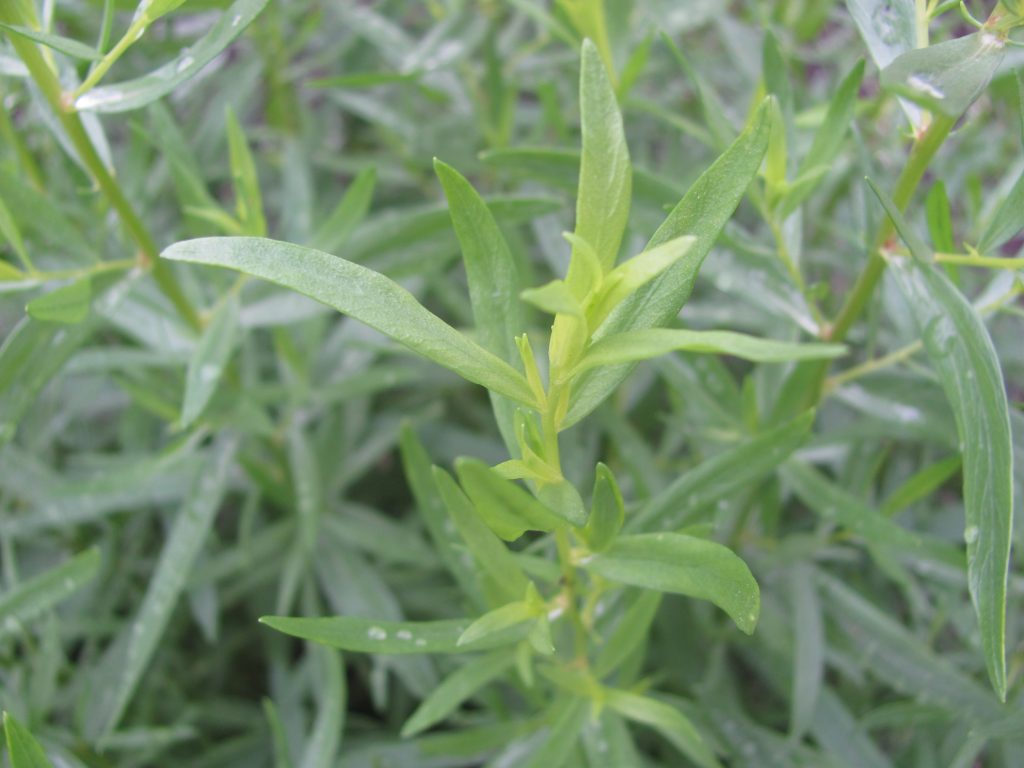
GARDENING TIPS
H : 45 – 90 cm
D : 30 – 45 cm
Soil : well-drained.
Parts used : leaves.
PROPERTIES
Aromatic, digestive, appetite stimulant, analgesic, antiseptic, emmenagogue, etc.
USES
Used for lack of appetite, digestion, menstrual pain, cough, etc. * It is important to know that it loses much of its medicinal properties when dried. External use : for pain and toothache. For cooking : with poultry, fish, eggs, mustard, mayonnaise, salad dressing, strawberries, etc.
CONTRAINDICATION
* Not recommended during pregnancy.

GARDENING TIPS
H : 30 cm – 1 m
D : 20 – 30 cm
Soil : rich and well-drained.
Parts used : bulbs.
PROPERTIES
Warm, general tonic, circulatory, detoxifying, antibiotic, antifungal, hypotensive, hypocholesterolemic, expectorant, etc.tc.
USES
Used to fight infections, colds, flu, bronchitis, gastroenteritis, dysentery, diabetes, blood circulation, etc. For cooking : used throughout the world in sauces, salad dressings, etc. External use : as a vaginal douching, and for vulvar itching, acne, fungi, etc.
CONTRAINDICATION
*Not recommended during pregnancy except for culinary use.
*Do not use it while taking a blood thinner.
German Chamomile
French name : Camomille allemande
Latin name : Matricaria recutita
Family : Asteraceae
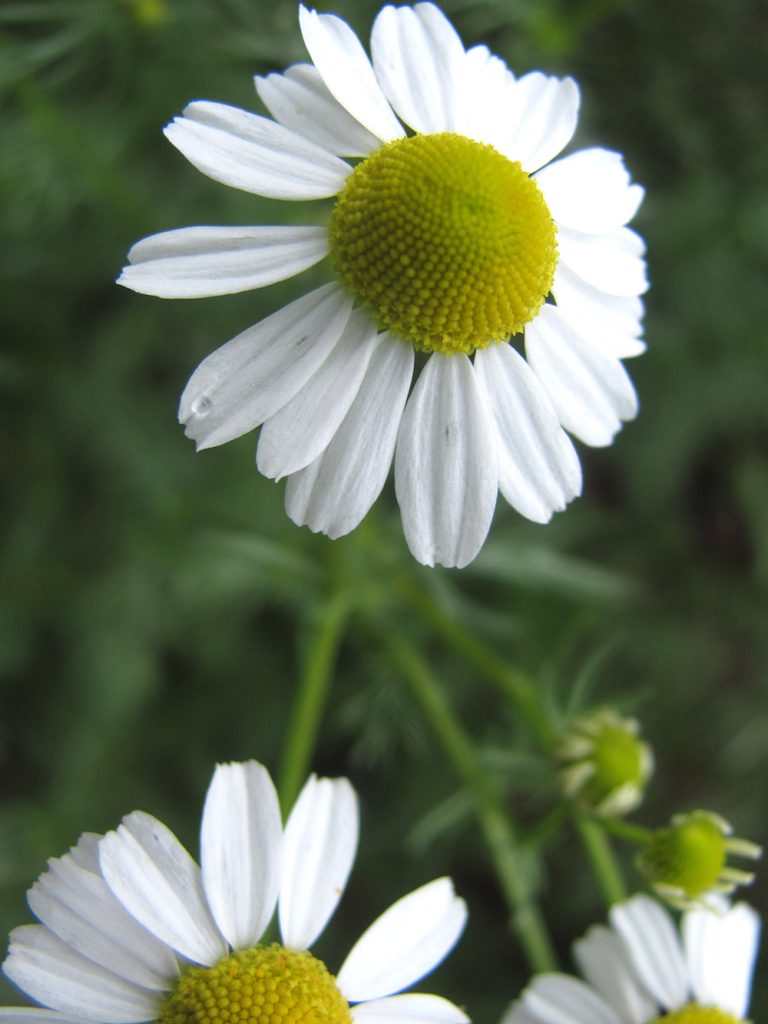
GARDENING TIPS
H :15 – 60 cm
D : 30 – 45 cm
Soil : well-drained, slightly humid.
Parts used : flowers (picked 3 to 5 days after flowering).
PROPERTIES
Anti-inflammatory, calming, digestive, antacid, stomachic, healing, helps assimilate calcium, etc.
USES
Used to relieve pain, to help digestion in general, to relax, against stomach acidity and fungi, for sensitive skin problems, etc.
CONTRAINDICATION
* Not recommended during pregnancy at high dosage. * Caution : some people sensitive to Asteraceae could have allergic reactions, especially to the mucous membranes of the throat, sinuses, eyes, etc.
Globe Thistle
French name : Chardon Bleu
Latin name : Echinops ritro
Family : Asteraceae
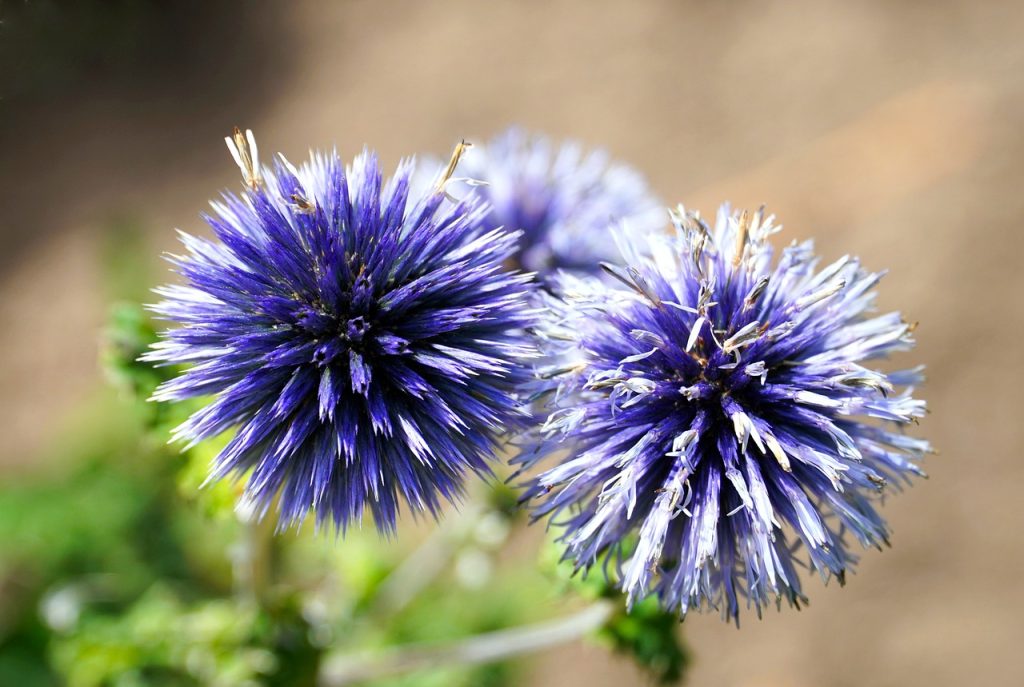
GARDENING TIPS
H : 90 cm – 1,2 m
D : 45 – 60 cm
Soil : dry and well-drained.
Parts used : roots.
PROPERTIES
Anti-inflammatory, galactagogue, etc.
USES
Used to promote the production of breast milk, mastitis, etc.
CONTRAINDICATION
* Not recommended during pregnancy.
Goldenseal
French name : Hydraste du Canada
Latin name : Hydrastis canadensis
Family : Ranunculaceae
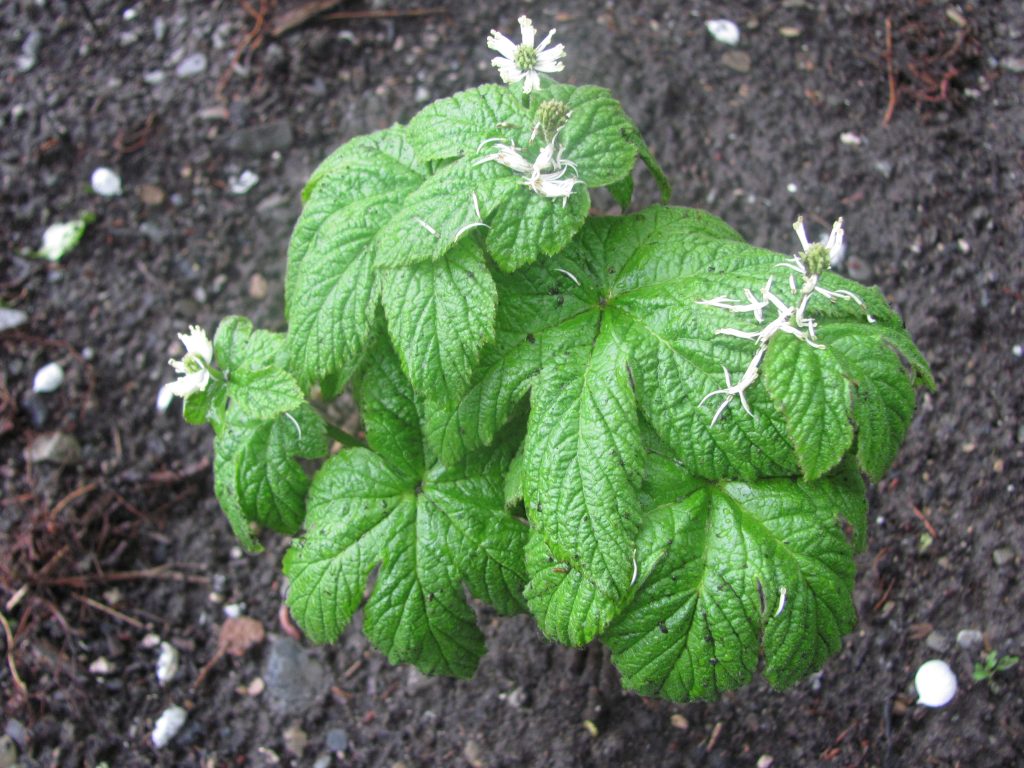
GARDENING TIPS
H :20 – 40 cm
D : 15 – 30 cm
Soil : rich, moist, and well-drained.
Parts used : rhizomes.
PROPERTIES
Bitter, stimulates bile excretion, hemostatic, anti-inflammatory, antibiotic, antibacterial, etc.
USES
Used for various infections or minor respiratory conditions (otitis, sinusitis, bronchitis), vaginitis, etc.
CONTRAINDICATION
* Not recommended during pregnancy and breastfeeding, and for children under 2 years old. * I recommend seeking guidance from a qualified herbalist when using this plant.

Grain Amaranth
French name : Amarante en grain
Latin name : Amaranthus hypochondriacus
Family : Amaranthaceae

GARDENING TIPS
H : 1,2 – 1,5 m
D : 45 – 60 cm
Soil : rich, moist, and well-drained.
Parts used : leaves and seeds.
PROPERTIES
Ornamental, nutritious and edible, hypocholesterolemic, soothing, astringent, hemostatic, refreshing, anti-inflammatory, etc.
USES
Used for diarrhea, heavy menstruation, nose bleeding, ulcers, cholesterol, etc. For cooking : nutritious, rich in protein, its leaves are consumed like spinach and its seeds like cereal. You can even sprout the seeds as microgreens or stir-fry them in a little oil like popcorn.
CONTRAINDICATION
* We haven’t found any information regarding contraindications during pregnancy, breastfeeding, and for children under 2 years old. *Please be cautious, as the leaves contain oxalic acid, so consume in moderation during the summer. * Do not consume the leaves if you suffer from arthritis, pancreatitis, cholecystitis, gallstones, or urolithiasis (kidney stones).
Greater Plantain
French name: Plantain
Latin name : Plantago major
Family : Plantaginaceae
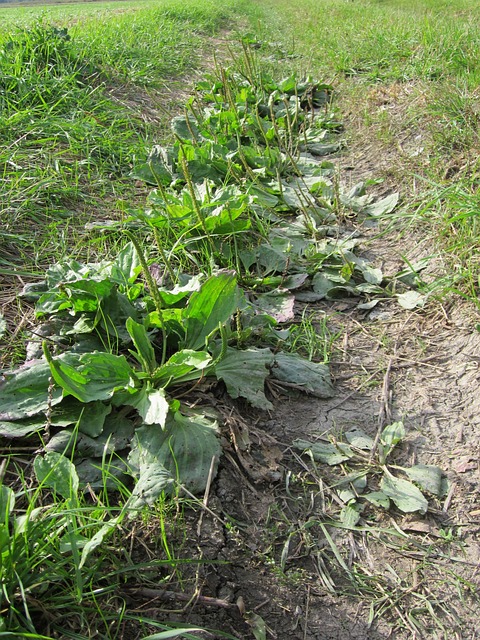
GARDENING TIPS
H : 40 cm
D : 40 cm
Soil : rich and well-drained.
Parts used : leaves or seeds. *In Quebec, it is the most common plantain in nature.
PROPERTIES
Astringent, antiseptic, wound healing plant, vulnerary, nourishing, anti-inflammatory, pectoral, hemostatic, laxative. The very mucilaginous seeds of this plant can be ground or soaked in 10 parts of water and used for intestinal problems or for eye irritations, and more. It should be noted that psyllium seeds sold on the market for constipation are in fact the seeds of Plantago psyllium
USES
Used for inflammation or irritation, urinary tract infection, coughs, bronchitis, colds, sinusitis, asthma, earaches, ulcers, etc. For external use : insect bites, wounds, burns, irritations, itching, redness, hemorrhoids, and bleeding, used as a compress for the eyes, and more. For cooking : Its young fresh shoots are edible (slightly bitter) but quickly become tough so, cook them like spinach or put them in a food processor to make “pesto”. The raw flower buds can be added to salads, and more.
GARDENING TIPS
H : 20 – 60 cm
D : 20 – 30 cm
Soil : rich and humid.
Parts used : leaves and flowering tops.
PROPERTIES
Antispasmodic, expectorant, anti-inflammatory, emetic, etc.
USES
Used for asthma, congestion, whooping cough, pneumonia, pleurisy, bronchitis, cough, etc. Important : always use it with an expectorant plant such as thyme or hyssop.
CONTRAINDICATION
* Not recommended during pregnancy, breastfeeding, and for children under 2 years old. * Not recommended for people with heart diseases. * Use under the precise guidance of a knowledgeable therapist, as it can cause vomiting in large doses.
Greek Oregano
French name : Origan grec
Latin name : Origanum vulgare var. hirtum
Family : Lamiaceae
GARDENING TIPS
H : 30 – 45 cm
D : 30 – 45 cm
Soil : rich and well-drained.
Parts used : leaves and flowering tops.
PROPERTIES
Analgesic (pain reliever), antiseptic, emmenagogue, appetite stimulant, digestive, expectorant, parasiticide, tonic, calming, antispasmodic, etc.
USES
Used for painful menstruation, stress, lack of appetite, digestion, flatulence (gas), cough, bronchitis, asthma, sore throat, etc. External use : against arthritis pain, rheumatism, toothaches, stiff neck, etc
CONTRAINDICATION
* Not recommended during pregnancy.
Hollyhock
French name : Rose Trémière
Latin name : Alcea rosea
Family : Malvaceae
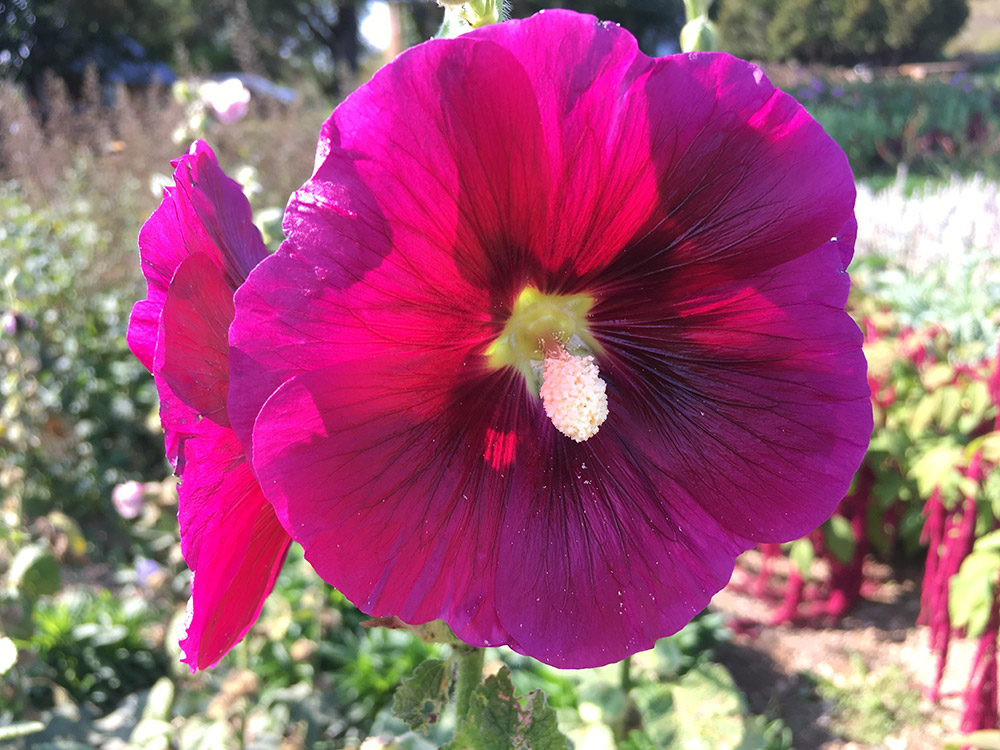
GARDENING TIPS
H : 1 – 2 m
D : 1 – 1.2 m
Soil : rich, humid, and well-drained.
Parts used : whole flowers or petals.
PROPERTIES
Soothing, emollient, digestive, diuretic, pectoral, laxative, anti-inflammatory, etc.
USES
Used like other plants in the mallow family to soften cysts and boils, soothe irritation or inflammation of the digestive, pulmonary, and urinary mucous membranes, and alleviate coughs, etc. External use : it can be used in decoctions for bathing to relieve irritation or dry skin, and more. For cooking :The petals are edible, but due to their thickness, it is recommended to chop them up if you want to consume them in salads or other dishes. With their shapes and vibrant colours, they are beautiful for decorating dessert platters, cheese, fruit, canapés, etc.
Holy Basil
Nom anglais : Holy basil
Latin name : Ocimum sanctum
Family : Lamiaceae
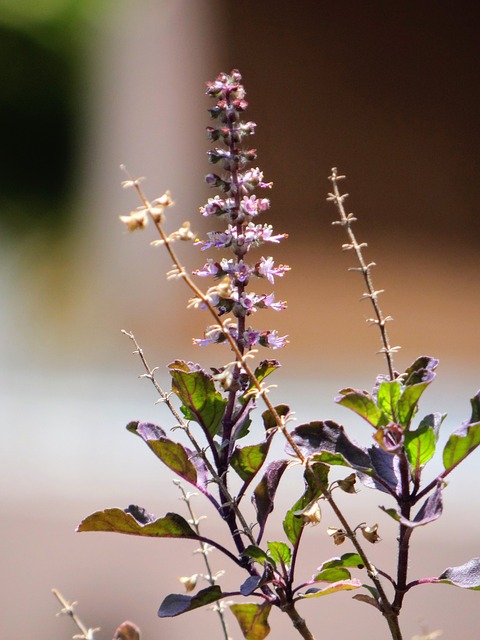
GARDENING TIPS
H : 45 – 60 cm
D : 45 – 60 cm
Soil : rich, light, and well-drained.(Leave the seeds in the light and cultivate at temperatures above15 °C to 20 °C)
Parts used : leaves and flowering tops.
PROPERTIES
An adaptogenic plant that nourishes and restores the nervous system and strengthens the immune system (immunomodulator), antiseptic, digestive, febrifuge, antispasmodic, strengthens the respiratory tract, expectorant, hepatoprotective, cardioprotective, anti-inflammatory, antioxidant, etc.
USES
Used as a general tonic, for anxiety, stress, fatigue, pressure, colds, flu, abdominal cramps & bloating, fever, cough, asthma, libido, mild depression, headaches, circulation, ulcers, etc. For cooking : delicious in herbal tea, but it, unfortunately, loses a lot of its properties when dried.
CONTRAINDICATION
* Not recommended during pregnancy.
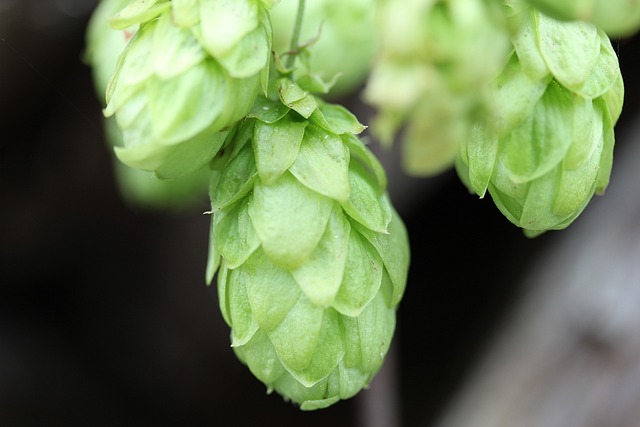
GARDENING TIPS
H : 3 – 6 m
D : 45 cm (indefinite, will spread)
Soil : humid and well-drained.
Parts used : female flowers.
PROPERTIES
Bitter, aromatic, appetite stimulant, sedative, analgesic (relieves pain), antiseptic, etc.
USES
Used to calm spasms, promote sleep (in combination with valerian for insomnia), for nervous digestion or irritable bowel syndrome, etc. For cooking : it helps preservation in beer production, and its young shoots can be eaten raw or cooked like early spring asparagus.
CONTRAINDICATION
* Not recommended during pregnancy. * Not recommended for individuals with a history of depression. * Caution : may cause irritation and allergic reactions on contact.
Horehound
French name : Marrube
Latin name : Marrubium vulgare
Family : Lamiaceae
GARDENING TIPS
H : 20 – 60 cm
D : 20 – 60 cm
Soil : limestone, well-drained.
Parts used : leaves and flowering tops.
PROPERTIES
Bitter (stimulates bile production), reputed for throat conditions, antiseptic, expectorant, anti-inflammatory, antispasmodic, has a sedative effect on the heart, and more.
USES
Usedfor sore throat, tonsillitis, laryngitis, pharyngitis, cough, bronchitis, asthma, whooping cough, palpitations, liver detoxification, menstrual pain, postpartum pain, etc. External use : gargling with sea salt for cough, sore throat, etc.
CONTRAINDICATION
* Not recommended during pregnancy. * Not recommended if taking heart medication.
Horseradish
French name : Raifort
Latin name : Armoracia rusticana
Family : Brassicaceae
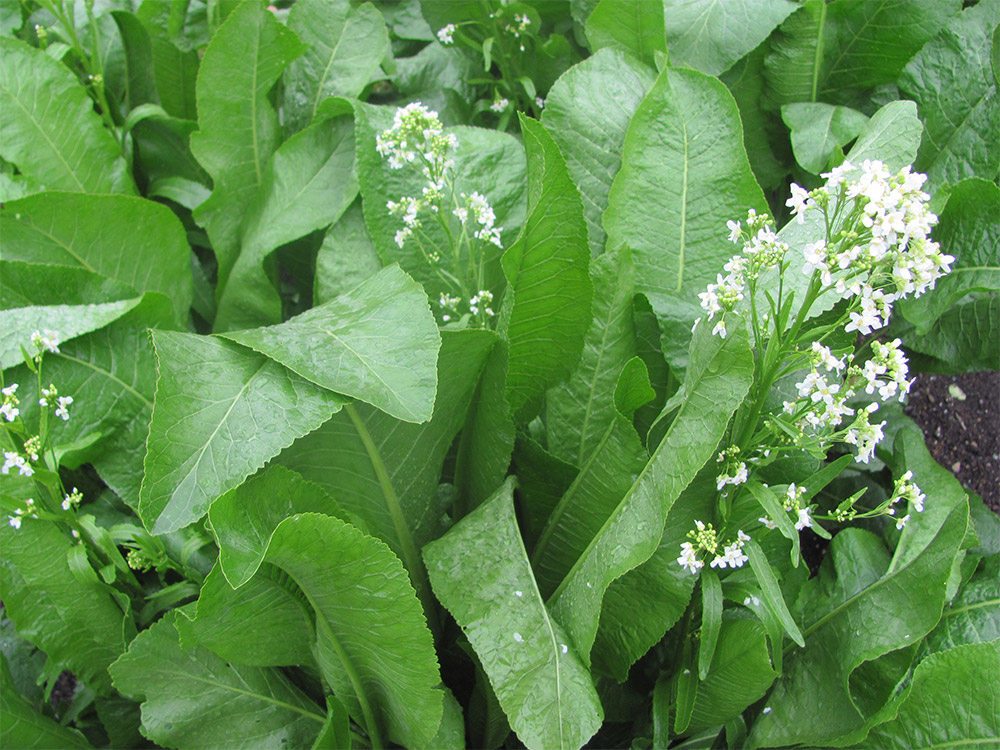
GARDENING TIPS
H : 60 – 120 cm
D : 60 – 90 cm
Soil : rich and well-drained.
Parts used : young fresh leaves and roots.*Very invasive.
PROPERTIES
A bitter plant that is a gastric stimulant, expectorant, phlegm liquefier, antiseptic, diuretic, revulsive (which quickly brings better circulation when applied to the affected area), and more
USES
Used internally for lack of appetite, allergies, respiratory tract, mucus, coughs, sinusitis, otitis, etc. External use : As a compress of fresh mashed roots, against arthritis pain, rheumatism, or as a mustard plaster and more.*Be careful to protect the skin with olive oil and do not leave more than 10 minutes or even less depending on the case. For cookin: in powder like mustard or freshly grated with a dash of lemon juice or cider vinegar (to keep its colour), added to apples, avocados, meat, smoked fish, in mustards, potatoes, etc. *Use sparingly.
CONTRAINDICATION
* Not recommended during pregnancy, breastfeeding and for children under 2 years old *Not recommended in case of kidney problems, irritation of the digestive system, and thyroid problems.
Hyssop
French name : Hysope
Latin name : Hyssopus officinalis
Family : Lamiaceae
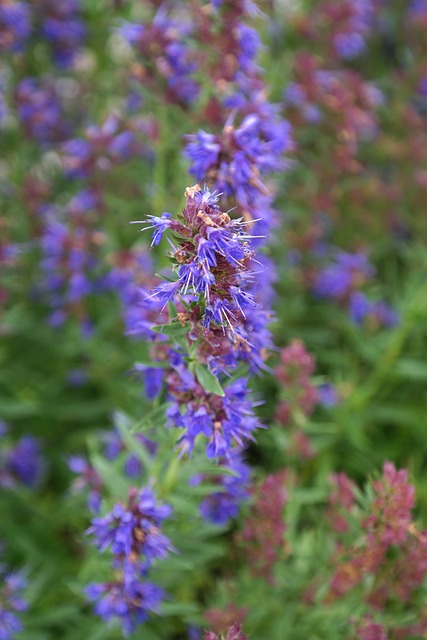
GARDENING TIPS
H : 45 – 60 cm
D : 60 – 90 cm
Soil : dry and well-drained.
Parts used : leaves and flowering tops.
PROPERTIES
Nectar-rich plant having a slight skunk-like odour, highly valued by pollinators, helps in excessive mucus release, expectorant, tonic, purifying, antiseptic, antiviral, carminative, stomachic, etc.
USES
Used for respiratory tract ailments, digestion, intestinal gas, spring cleansing, general support, etc.
CONTRAINDICATION
* Not recommended during pregnancy.
Lady’s Bedstraw
French name : Gaillet jaune
Latin name : Galium verum
Family : Rubiaceae
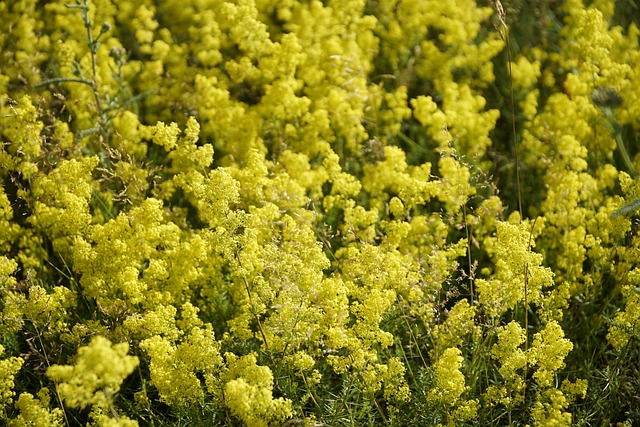
GARDENING TIPS
H : 60 cm – 1 m
D : 45 – 60 cm
Soil : dry, well-drained.
Parts used : flowering tops.
PROPERTIES
A plant that helps dissolve kidney stones, diuretic, antispasmodic, galactagogue, etc.
USES
Used for kidney diseases, kidney stones, nervous diseases (convulsions, spasms), to increase lactation. External use : with cataplasm for all skin problems, gargling for mouth ulcers, in lotions against wrinkles, etc.For cooking : used for milk curdling.
CONTRAINDICATION
* Not recommended during pregnancy.
Lady’s Mantle
French name : Alchémille
Latin name : Alchemilla vulgaris
Family : Rosaceae
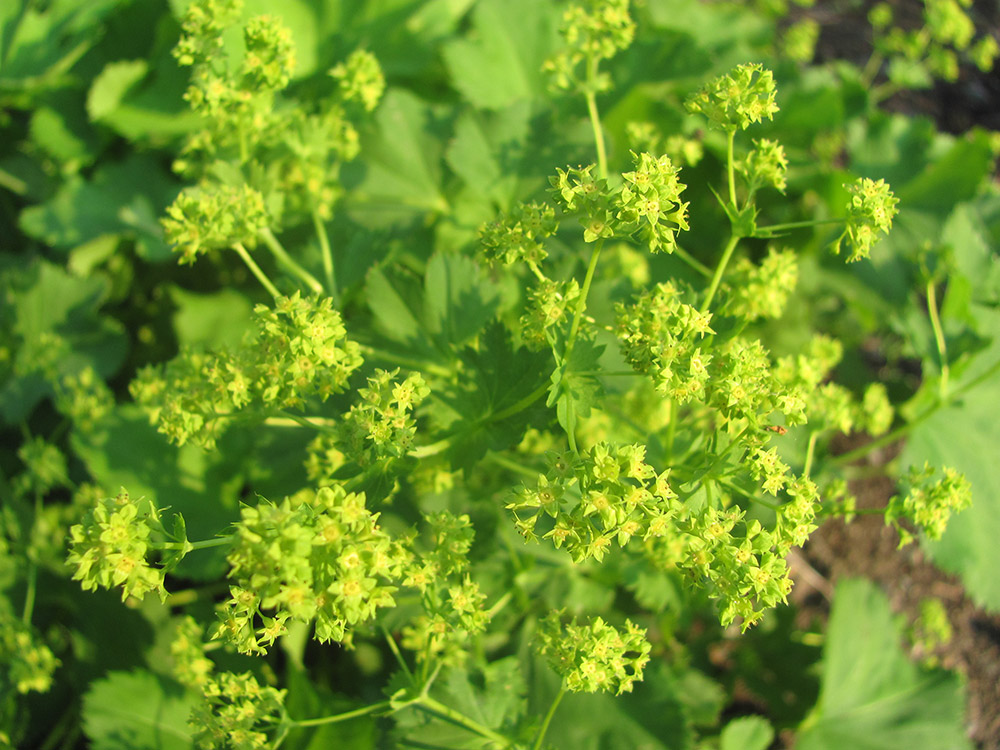
GARDENING TIPS
H : 50 cm
D : 50 cm
Soil : moist and well-drained.
Parts used : flowering tops.
PROPERTIES
Reputed for women, astringent, anti-inflammatory, healing, hemostatic, decongestant, etc.
USES
Used for uterine pain, menstrual pain, abnormal vaginal discharge, heavy or painful menstruation, light diarrhea, etc. External use : as a vaginal douching and for vulvar itching, and more.
CONTRAINDICATION
* Not recommended during pregnancy.
* Do not use if you suffer from gastritis or if you have a duodenal ulcer.
Lamb’s Ear
French name : Oreilles de mouton
Latin name : Stachys byzantina
Family : Lamiaceae
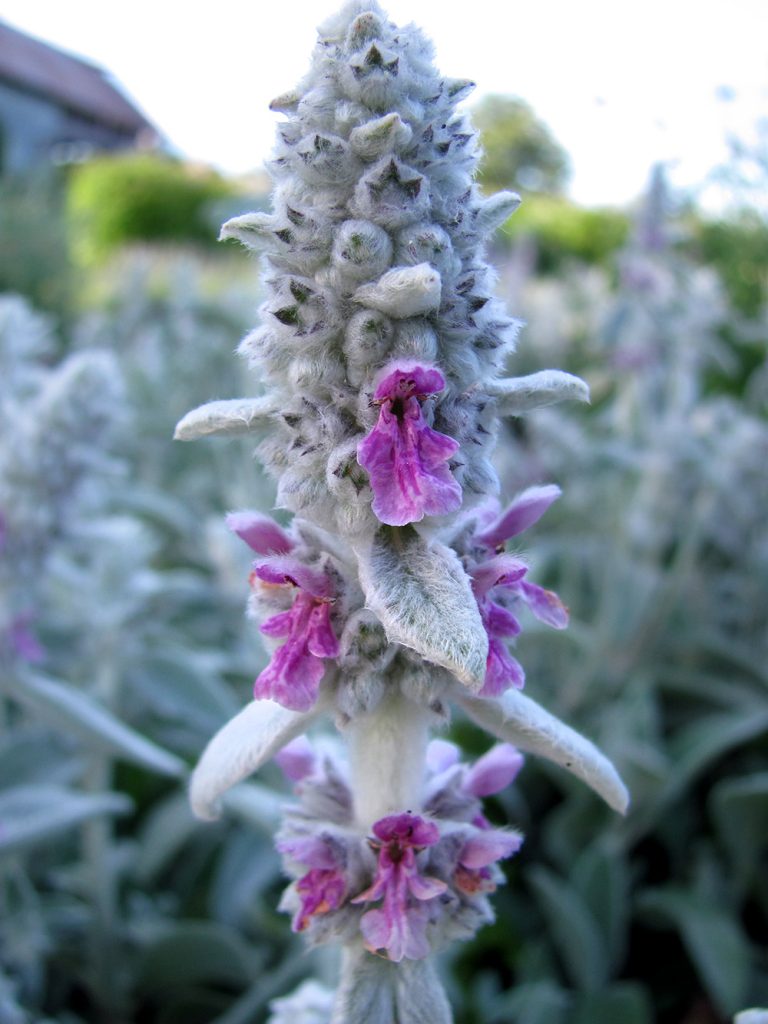
GARDENING TIPS
H : 40 – 60 cm
D : 50 cm
Soil : rich and well-drained.
Parts used : leaves and flower tops at the beginning of flowering.
PROPERTIES
Antiseptic, antibacterial, pectoral, anti-inflammatory, astringent, antitussive, emollient, depurative, diuretic, etc.
USES
Used for respiratory tract diseases (asthma), inflammation, irritation, etc. External use: for earaches and more.
CONTRAINDICATION
* We haven’t found any information regarding contraindications during pregnancy, breastfeeding, and for children under 2 years old.
Lavender
French name: Lavande
Latin name : Lavandula angustifolia
Family : Lamiaceae
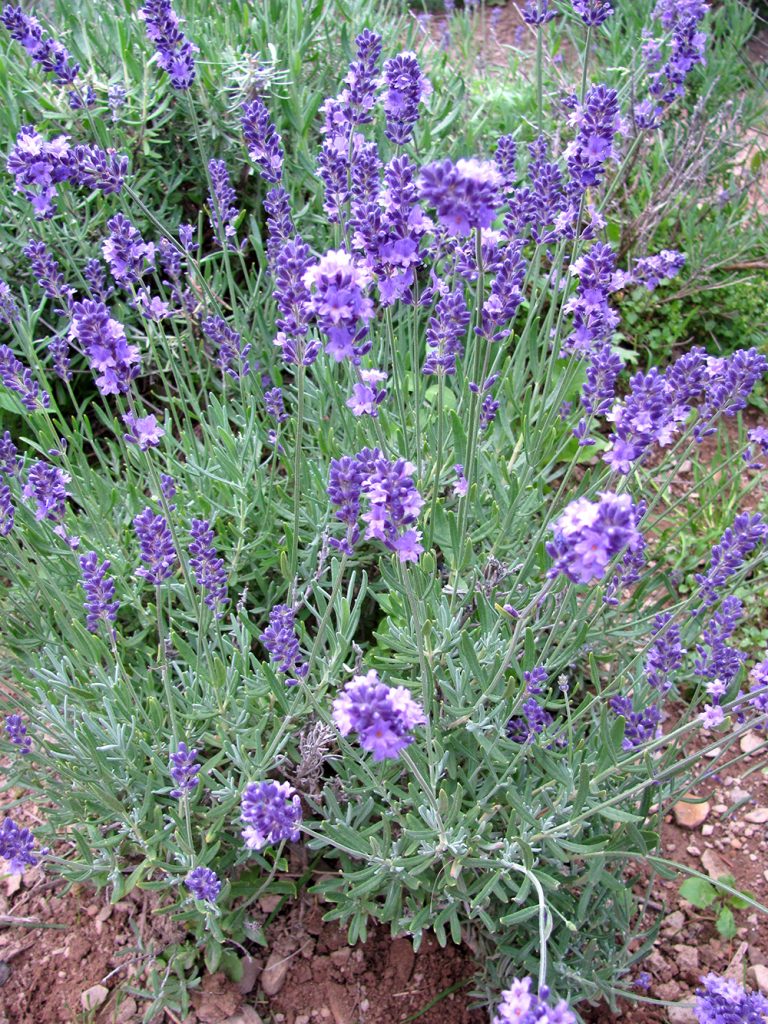
GARDENING TIPS
H : 30 – 45 cm
D : 30 cm
Soil : well-drained.
Parts used : flowering tops.*It is recommended to apply mulch but avoid excessive moisture. Replace plants after 3–4 years.
PROPERTIES
Aromatic, calming, sedative, anti-inflammatory, antiseptic, healing, antispasmodic, antidepressant, culinary, etc.
USES
Used for anxiety, stress, depression, headaches, asthma, coughs, etc. External use : burns, sunburn, insect bites, muscle stiffness or pain, neuralgia, cold sores, lice, hemorrhoids, placed in sachets to perfume clothing, and to repel moths and bedbugs, and more. For cooking : the flowers are delicious when used sparingly to flavour milk or oat-based desserts (crème brûlée), gin, lemonade, etc.
CONTRAINDICATION
* Not recommended during pregnancy.
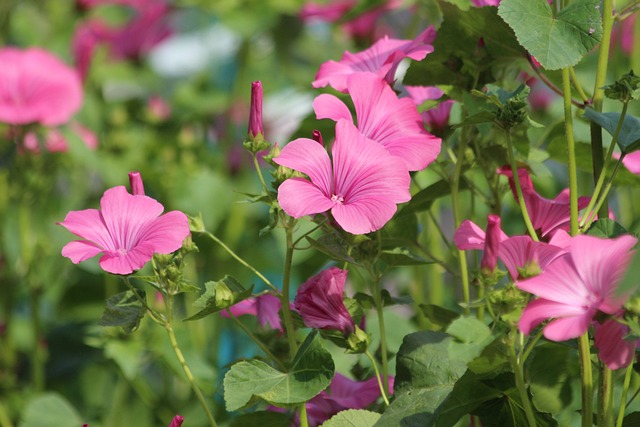
GARDENING TIPS
H : 60 cm – 1,2 m
D : 30 cm
Soil : rich and well-drained.
Parts used : flowers.
PROPERTIES
Like all Malvaceae plants; ornamental, edible, emollient, soothing, anti-inflammatory, etc.
USES
Used to soothe sensitive or irritated skin and for all mucous membranes (cough, bladder), and more. For cooking : the flowers are edible.
Lemon Balm
French name : Mélisse
Latin name : Melissa officinalis
Family : Lamiaceae
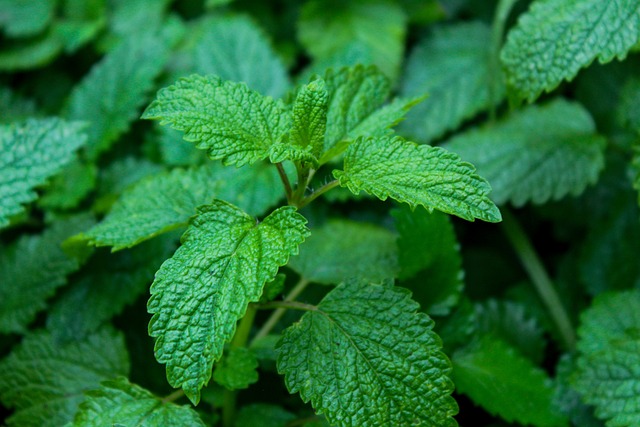
GARDENING TIPS
H : 30 – 80 cm
D : 30 – 45 cm
Soil : well-drained and sandy.
Parts used : leaves and flowering tops.
PROPERTIES
Melliferous (appreciated by bees), aromatic (lemon scent), antispasmodic, sedative, calming, febrifuge, carminative, digestive, refreshing, culinary, stomachic, antiviral, antiseptic, healing, reduces thyroid gland activity, etc.
USES
Used for all nervous conditions (stress, hyperemotionality, melancholy, depression, etc.), indigestion (especially of nervous origin), cramps and spasms, fever, dizziness, stress-related headaches, skin conditions (especially stress-related), hyperthyroidism, etc. External use : cold sores, herpes, insect bites, especially using its essential oil. For cooking : fish, salads, lemonade, iced tea, or herbal infusions, and more.
CONTRAINDICATION
*Not recommended during pregnancy, breastfeeding. *Not recommended for hypothyroidism or when taking “Synthroid” hormones.
Licorice
French name : Réglisse
Latin name : Glycyrrhiza glabra
Family : Fabaceae
GARDENING TIPS
H : 90 cm
D : 60 – 100 cm
Soil : rich and well-drained.
Parts used : roots.
PROPERTIES
A very sweet plant that soothes the pancreas. Digestive, seda- tive, calming, cough suppressant, expectorant, etc.
USES
Used for high blood sugar levels, cough, bronchitis, colds, stomach ulcers, etc. For cooking : it is used to give an aniseed flavour to des- serts, candies, etc.
CONTRAINDICATION
* Not recommended during pregnancy and breastfeeding. * Use for short periods (2–3 weeks at a time). * Excessive consumption can cause water retention. * Not recommended for individuals with high blood pressure or diabetes.
GARDENING TIPS
H : 20 – 40 cm
D : 10 – 30 m
Soil : humid and well-drained.
Used parts : flowering tops at the very beginning of blooming.
PROPERTIES
Aromatic, mucilaginous, antispasmodic and relaxing, anxiolytic, hypotensive, diuretic, expectorant, digestive, diaphoretic (facilitates sweating), etc.
USES
Used for anxiety, helping to lower blood pressure, urinary tract infection, colds, flu, fever, migraines, cough, etc.
Lovage
French name : Livèche
Latin name : Levisticum officinalis
Family : Apiaceae
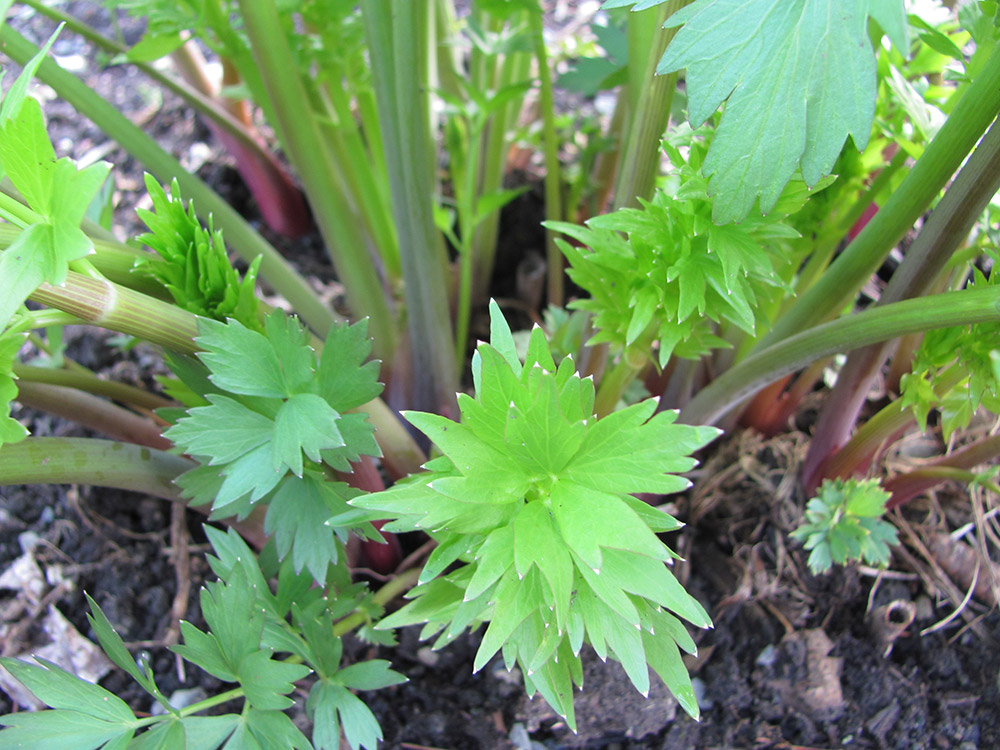
GARDENING TIPS
H : 1,5 m
D : 60 cm – 1 m
Soil : rich and moist.
Parts used : leaves, tender spring stems, ripe seeds, roots (3 years).
PROPERTIES
Diuretic, depurative, carminative, digestive, calming, tonic, antiseptic, culinary, etc.
USES
Used for the kidneys, urinary system, weight loss, edema, blood cleansing, etc. For cooking : its leaves or seeds as seasoning in soup, broth, meat, sauce, stew, herb salt, etc. *Use sparingly.
CONTRAINDICATION
* Not recommended during pregnancy.
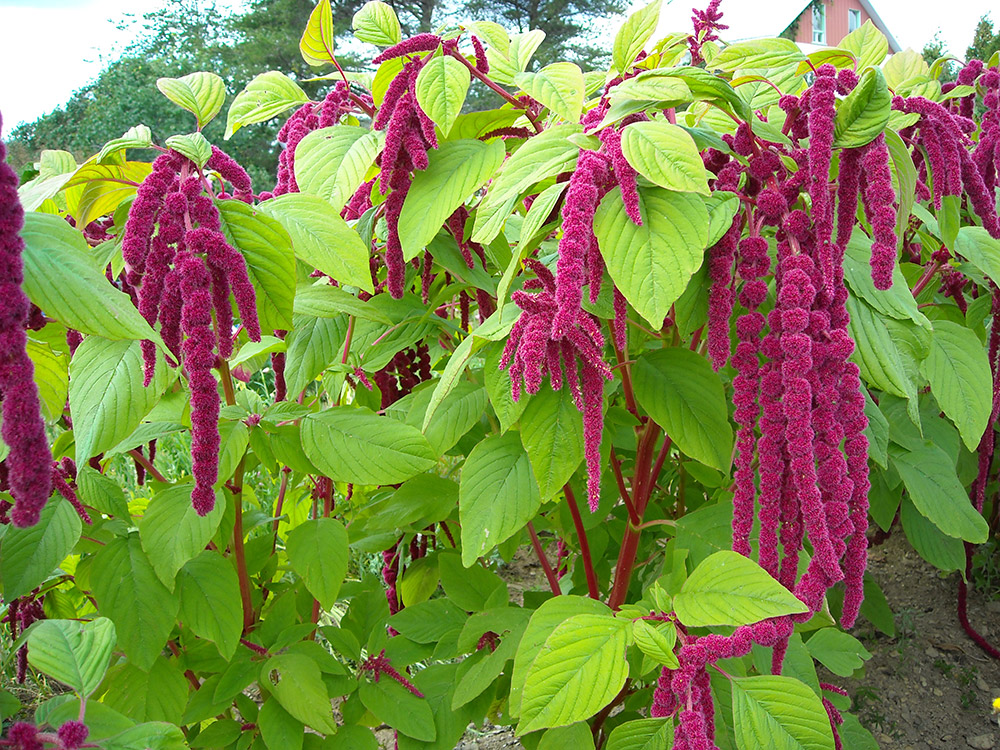
Love-Lies-Bleeding
French name : Amarante queue-de-renard
Latin name : Amaranthus caudatus
Family : Amaranthaceae
GARDENING TIPS
H : 90 cm – 2,4 m
D : 45 – 60 cm
Soil : rich, moist, and well-drained.
Parts used : leaves and seeds.
PROPERTIES
An ornamental, nutritious, and edible plant, like all other amaranths.
USES
For cooking : nutritious and rich in protein. Its leaves are consumed like spinach, and its seeds like cereal. You can even sprout the seeds as microgreens or stir fry them in a little oil like popcorn.Other uses : You can leave the plants in the garden. With their abundant nutritious seeds, they can provide food for birds in the fall and early winter.
CONTRAINDICATION
*Caution: its leaves contain oxalic acid, therefore, consume in moderation during the summertime. *Do not consume the leaves if you suffer from arthritis, pancreatitis, cholecystitis, gallstones or urolithiasis (kidney stones).
