
 My cart
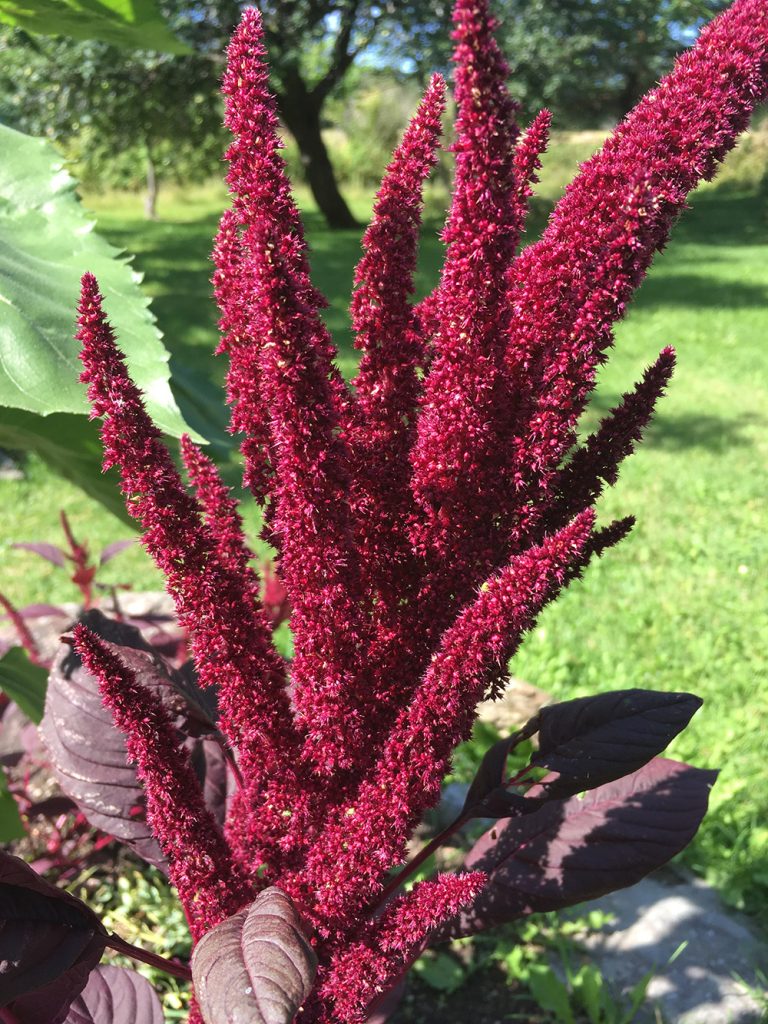
Amaranth Velvet Curtains
French name : Amarante Velvet
Latin name : Amaranthus cruentus “Velvet curtains”
Family : Amaranthaceae
GARDENING TIPS
H : 1,8 m
D : 30 – 45 cm
Soil : moist and well-drained.
Parts used : leaves and seeds.
PROPERTIES
An ornamental, nutritious, and edible plant, like all other amaranths.
USES
For cooking : nutritious and rich in protein, its leaves are consumed like spinach, and its seeds like cereal. You can even sprout the seeds as microgreens or stir-fry them in a little oil like popcorn.Other uses : you can leave the amaranth plants in the garden. With their abundant nutritious seeds, they can provide food for the birds in the fall and early winter.
CONTRAINDICATION
* Caution: if you suffer from arthritis, pancreatitis, cholecystitis, gallstones, or urolithiasis (kidney stones).
* Do not consume the leaves if you suffer from arthritis, pancreatitis, cholecystitis, gallstones, or urolithiasis (kidney stones).



Angelica
French name : Angélique
Latin name : Angelica archangelica
Family : Apiaceae

GARDENING TIPS
H : 1 – 2,5 m
D : 1 m
Soil : rich and humid.
Parts used : young leaves and stems, roots, and seeds. For medicinal properties, we mainly use the roots, picked in the fall of the first year.
PROPERTIES
Appetite stimulant, tonic, digestive, stomachic, etc.
USES
Used for gastric nervousness, general fatigue, digestive atony, bloating, overwork, etc. For cooking : its peeled stems, picked before flowering, are often eaten candied.
CONTRAINDICATION
* Not recommended during pregnancy. * Not recommended for people suffering from diabetes. * May cause dermatitis upon contact for certain individuals; it is recommended to wear gloves. * May have photosensitizer effects.

Anise Hyssop
French name : Agastache
Latin name : Agastache foeniculum
Family : Lamiaceae
GARDENING TIPS
H : 60 cm
D : 30 – 45 cm
Soil : well-drained.
Parts used : leaves and flowering tops.
* Although it can withstand our harsh winters, I suggest growing it as an annual plant. Its growth rate is quite fast.
PROPERTIES
Digestive, carminative, purifying, pectoral, culinary, aromatic, and more.
USES
Used to help digestion, to relieve bloating, coughing, etc. For cooking : With its mild aniseed taste, it is delicious with fish, salads, some desserts, etc. *It is delicious in herbal tea; you can even add a little mint. This tasty combination is refreshing when drunk cold in summer and comforting when drunk hot in winter.
CONTRAINDICATION
* Not recommended during pregnancy.
GARDENING TIPS
H : 10 – 60 cm
D : 45 – 60 cm
Soil : rich in minerals, well-drained and rather acid. Cool temperature.
Parts used : flowers.
PROPERTIES
Revulsive, painkiller, anti-inflammatory, etc.
USES
External use only : Used for sprains, bruises, contusions, pain, etc.
CONTRAINDICATION
Not recommended during pregnancy, breastfeeding, and for children under 2 years old. * For external use only, toxic plant when used internally. * Never apply on an open wound.
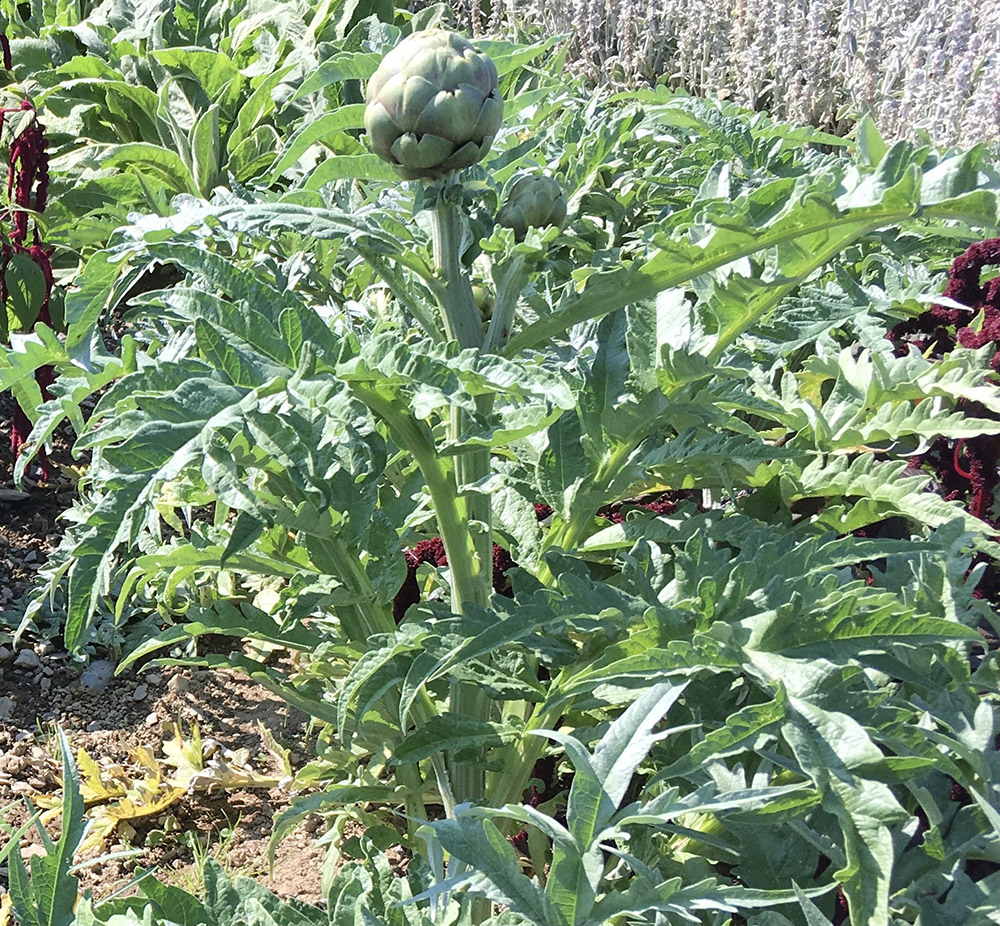
Artichoke
French name : Artichaut
Latin name : Cynara scolymus
Family : Asteraceae
GARDENING TIPS
H : 1,8 m
D : 50 – 90 cm
Soil : rich, deep, and well-drained.
Parts used : leaves near the stem, before flowering.
* Must be started early in the season (beginning of March) by sowing indoors.
PROPERTIES
Rich in mineral salts, cholagogue, choleretic, cleansing, diuretic, tonic, etc.
USES
Used for liver-related problems (jaundice, hepatitis, etc.), cleansing and strengthening the liver, arteriosclerosis, cholesterol, poor digestion, etc. For cooking : the leaves (those near the stem) and the heads of the artichoke are consumed cooked, steamed, or boiled.
CONTRAINDICATION
* Not recommended during pregnancy, breastfeeding and for children under 2 years old.
Ashwagandha
French name : Ashwagandha
Latin name : Withania somnifera
Family : Solanaceae
GARDENING TIPS
H : 60 cm – 2 m
D : 30 cm – 1 m
Soil : dry and rocky.
Parts used : roots.
PROPERTIES
Adaptogenic that nourishes and restores the nervous system and strengthens the immune system (immunomodulating), astringent, sedative, anxiolytic, anti-inflammatory, anticoagulant, regenerative, hepatoprotective, cardioprotective, aphrodisiac, hypotensive, antioxidant, etc.
USES
Used as a general tonic, for acute fatigue, stress, anxiety, insomnia, infertility, impotence, memory, energy, libido, hypothyroidism, psoriasis, circulation, etc.
CONTRAINDICATION
* Not recommended during pregnancy, breastfeeding and for children under 16 years old.
Asparagus
French name : Asperge
Latin name : Asparagus officinalis
Family : Asparagaceae
GARDENING TIPS
H : 1 – 1,5 m
D : 50 – 90 cm
Soil : rich, light, and well-drained.
Parts used : young shoots in the spring.
PROPERTIES
Cleansing, diuretic, purifying, etc.
USES
Used as a cleansing cure in the spring, etc. For cooking : steamed, in quiche, or omelettes.
CONTRAINDICATION
* Caution : Toxic fruit. * Do not use it during cystitis, gout or acute rheumatism.
Baikal Scullcap
French name : Scutellaire de Baikal
Latin name : Scutellaria baicalensis
Family : Lamiaceae
GARDENING TIPS
H : 40 cm
D : 30 – 40 cm
Soil : well-drained.
Parts used : roots.
PROPERTIES
Bitter, refreshing, sedative, antioxidant, febrifuge, hypotensive, hypocholesterolemic, antispasmodic, digestive, hemostatic, antibacterial, anxiolytic, diuretic, stimulates the liver, etc.
USES
Used for hypertension, diarrhea, jaundice, miscarriage, urinary tract infection, nosebleed, internal bleeding (lungs, intestines), dysentery, chronic hepatitis, gastroenteritis, etc.
CONTRAINDICATION
* Not recommended during pregnancy.
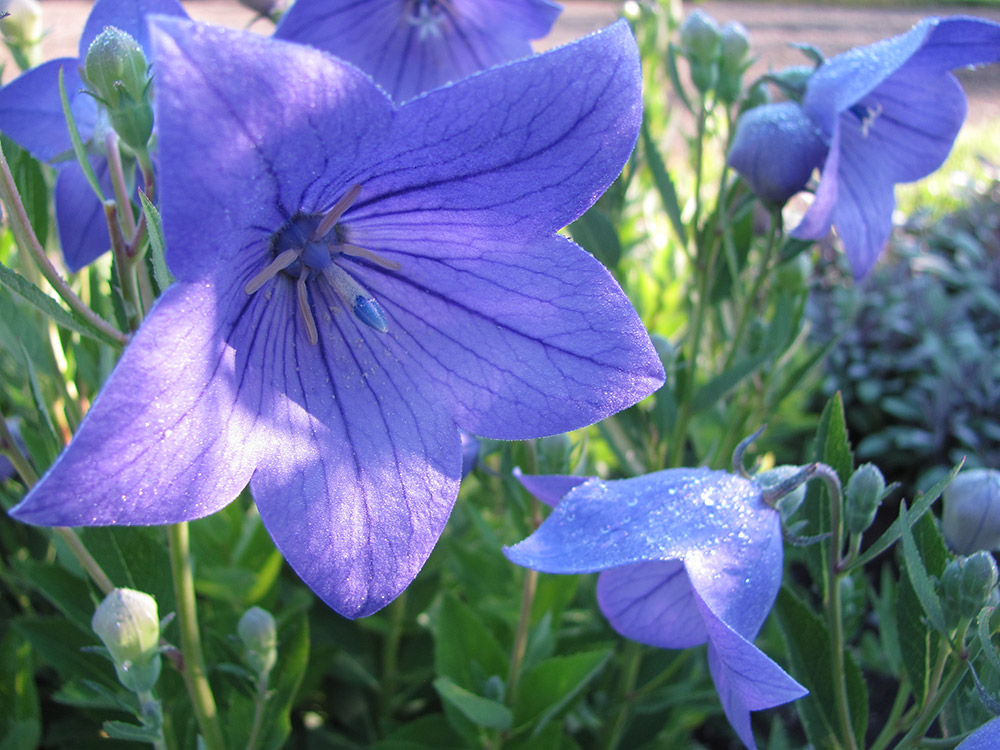
Balloon Flower
French name : Campanule à grande fleur
Latin name : Platycodon grandiflorus
Family : Campanulaceae
GARDENING TIPS
H : 10 – 15 cm
D : 20 – 30 cm
Soil : rich and well-drained.
Parts used : roots (2–3 years).
PROPERTIES
Bitter, pungent, and warming, dilates the bronchial tubes, expectorant, etc.
USES
Used against mucus, bronchitis, colds, lung abscesses, pleurisy, sore throat, etc. For cooking : in Korea the roots are consumed in soup as a vegetable tonic. Its pretty purple flowers are also edible.
CONTRAINDICATION
* Not recommended for medicinal use and during pregnancy.

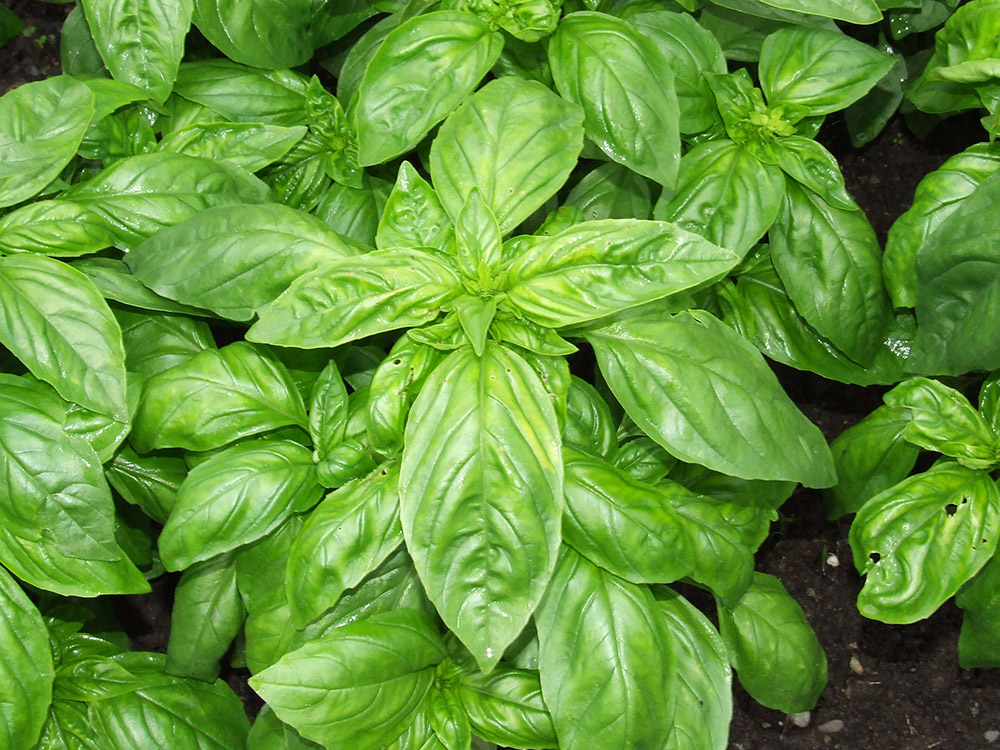
GARDENING TIPS
H : 30 – 45 cm
D : 15 – 30 cm
Soil : rich, light, and well-drained.(Leave the seeds in the light and cultivate at temperatures above15 °C to 20 °C)
Parts used : leaves and flowering tops.
PROPERTIES
Aromatic, culinary, digestive, calming, febrifuge, intestinal antiseptic, etc.
USES
Used for digestion, abdominal cramps, nervousness, nausea, headaches, fever, etc. For cooking : with tomatoes, mashed potatoes, for making pesto, etc.
CONTRAINDICATION
* Not recommended during pregnancy, breastfeeding and for children under 2 years old.
Bearberry
French name : Busserole
Latin name : Arctostaphylos uva-ursi
Family : Ericaceae
GARDENING TIPS
H : 10 – 15 cm
D : 30 – 60 cm
Soil : humid, sandy, acid (peat moss).
Parts used : leaves.
PROPERTIES
Antiseptic, astringent, antibacterial, diuretic, melliferous (appreciated by bees), etc.
USES
Used for urinary tract infections, cystitis, vaginitis, etc.* For Cystitis should always be accompaniedby marshmallow.
CONTRAINDICATION
* Not recommended during pregnancy, breastfeeding and for children under 12 years old. * Use for a short period (7–10 days maximum) because it is irritating to the kidneys. * Not recommended for people with kidney disease.
Beebalm
French name : Monarde écarlate
Latin name : Monarda didyma
Family : Lamiaceae
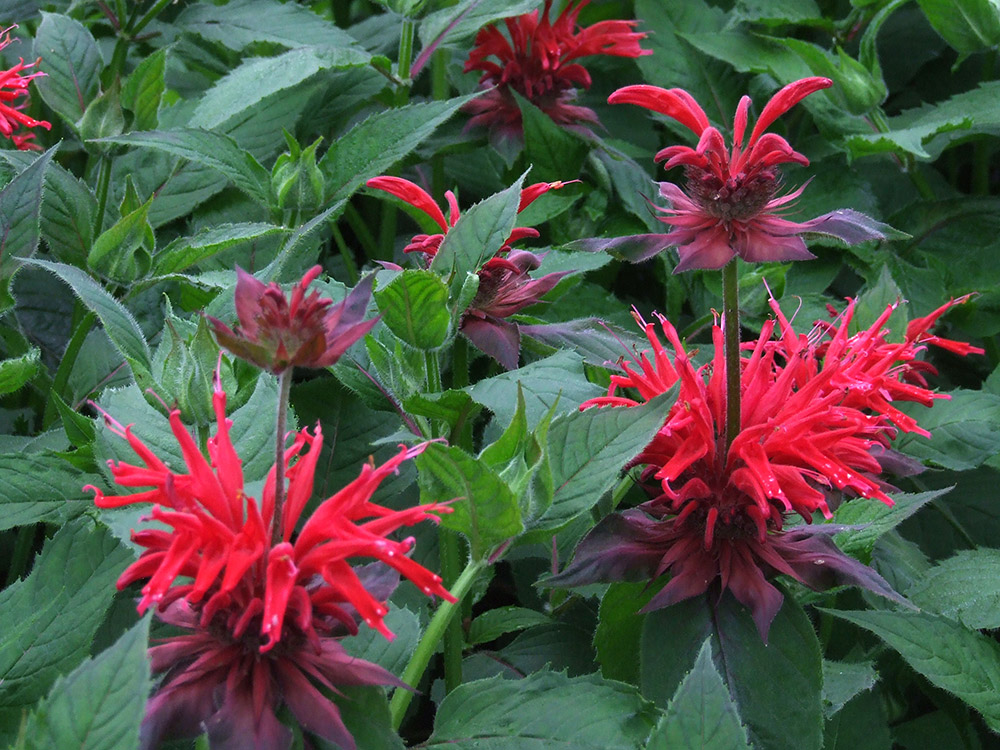
GARDENING TIPS
H : 1 – 1,2 m
D : 30 – 60 cm
Soil : rich, moist, and well-drained.
Parts used : flowers.
PROPERTIES
Melliferous (appreciated by pollinators), aromatic, stimulating, digestive, anti-inflammatory of the digestive tract, expectorant, carminative, febrifuge, antiseptic, emmenagogue, etc.
USES
Used to relieve nausea, vomiting, indigestion, flatulence, cough, fever, stimulate appetite, gum and ulcer pain, menstrual pain, etc.For cooking : delicious when added to fruit salads, green salads, to make lemonade, flavoured vinegar, syrups, etc.
CONTRAINDICATION
* Not recommended during pregnancy.
Betony
French name : Bétoine
Latin name : Stachys officinalis
Family : Lamiaceae
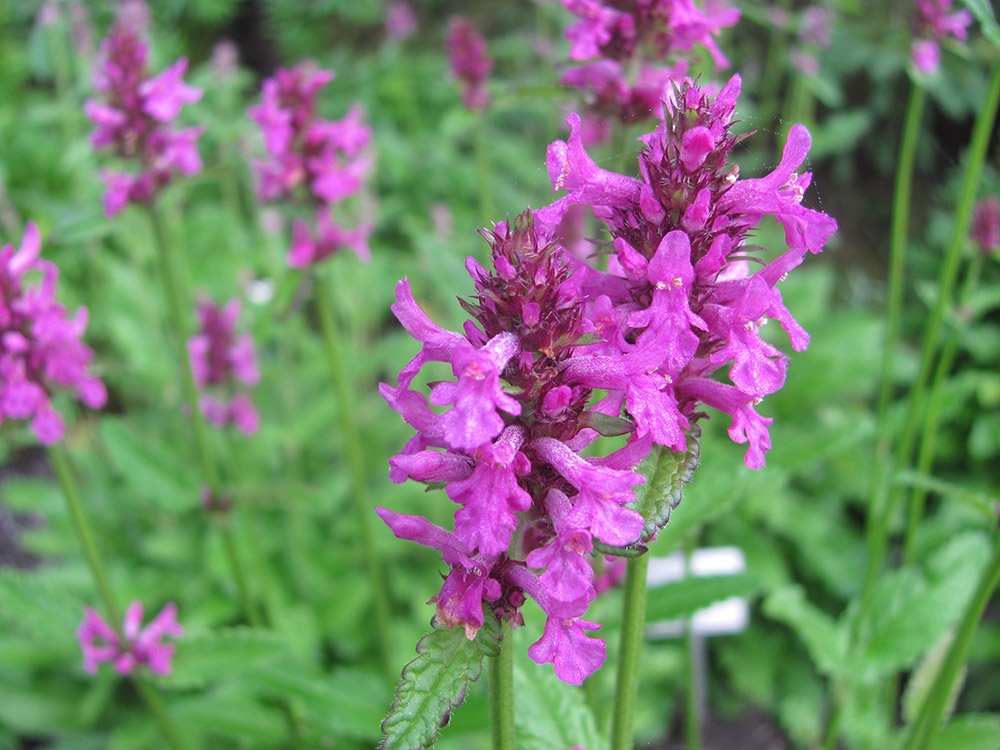
GARDENING TIPS
H : 30 – 60 cm
D : 30 – 50 cm
Soil : moist, neutral to acidic.
Parts used : leaves and flowering tops.
PROPERTIES
Appetite stimulant, astringent, calming, healing, emetic, expectorant, nervine, vulnerary, etc.
USES
Used in small doses for dizziness, headaches, paralysis, colds, sinusitis, neuralgia, nervous tension, etc. External use : varicose ulcers, wounds, etc.
CONTRAINDICATION
* Not recommended during pregnancy.
* In excess can cause diarrhea and vomiting.
Black Cohosh
French name : Actée à grappe noire
Latin name : Cimicifuga racemosa
Family : Ranunculaceae
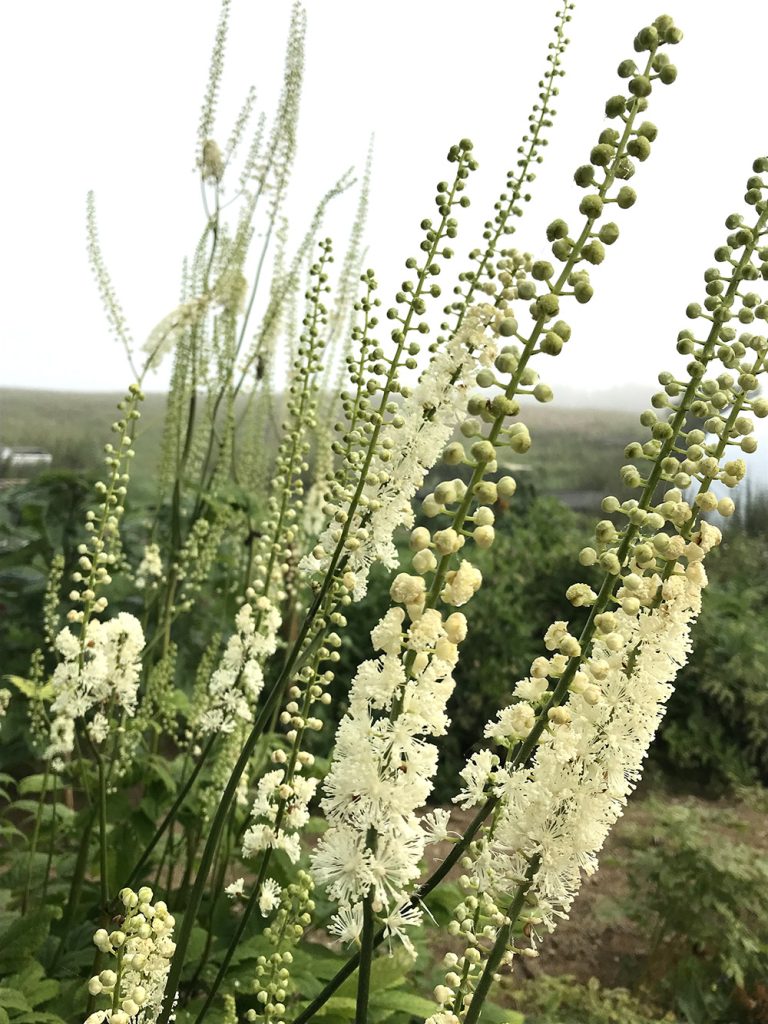
GARDENING TIPS
H : 1,5 m
D : 24 cm
Soil : rich and humid.
Parts used : roots.
PROPERTIES
Antiseptic, painkiller, febrifuge, reduces coughing, stimulates the uterus, etc.
USES
Used to alleviate premenstrual symptoms, or menopausal symptoms, reduces fever, pain, and coughing, and is used for gargling to help sore throat, and more.
CONTRAINDICATION
* Not recommended during pregnancy and breastfeeding.
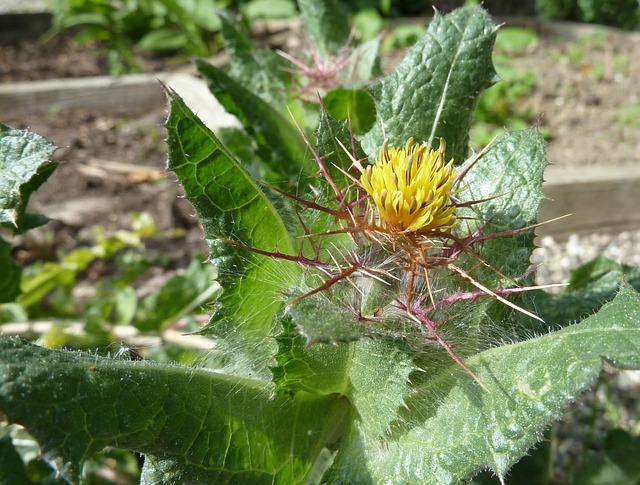
GARDENING TIPS
H : 65 cm
D : 30 cm
Soil : rich and well-drained.
Parts used : the whole plant, except for the roots.
PROPERTIES
Very bitter, antiseptic, antibiotic, digestive tonic, expectorant, healing, febrifuge, galactagogue, etc.
USES
Used to promote the production of milk when there is a lack of appetite related to depression or anorexia, gas, colic, diarrhea, excess mucus, etc. External use : to help the healing of wounds and ulcers.
CONTRAINDICATION
* Not recommended during pregnancy. * Caution : too much may cause vomiting.
Blue Cohosh
French name : Actée à grappes bleues
Latin name : Caulophyllum thalictroides
Family : Berberidaceae
GARDENING TIPS
H : 30 – 75 cm
D : 45 – 60 cm (indefinite, will spread).
Soil : rich and humid.
Parts used : rhizomes and/or roots.
PROPERTIES
A plant that stimulates the uterus, is anti-inflammatory (pelvic), diuretic and antiparasitic.
USES
Used for painful menstruation, and endometriosis, to facilitate childbirth, and any pelvic inflammations. Also, can be used to expel intestinal worms…
CONTRAINDICATION
* Not recommended during pregnancy and breastfeeding. * Not recommended if you have high blood pressure or heart problems. * Use with caution.

Blue Flag
French name : Iris Versicolor
Latin name : Iris versicolor
Family : Iridaceae
GARDENING TIPS
H : 50 cm
D : 30 – 45 cm (indefinite, will spread)
Soil : rich, moist, and well-drained.
Parts used : rhizomes *Very beautiful violet and yellow flower.
PROPERTIES
An alterative plant (heals wounds). It has other properties (laxative, purgative, emetic, etc.) for internal use, but it is no longer recommended nowadays for those purposes.
USES
External use only, to clean wounds.
CONTRAINDICATION
* Not recommended during pregnancy, breastfeeding and for children under 2 years old. * Toxic plant, for external use only.
Blue Vervain
French name: Verveine bleue
Latin name : Verbena hastata
Family : Verbenaceae
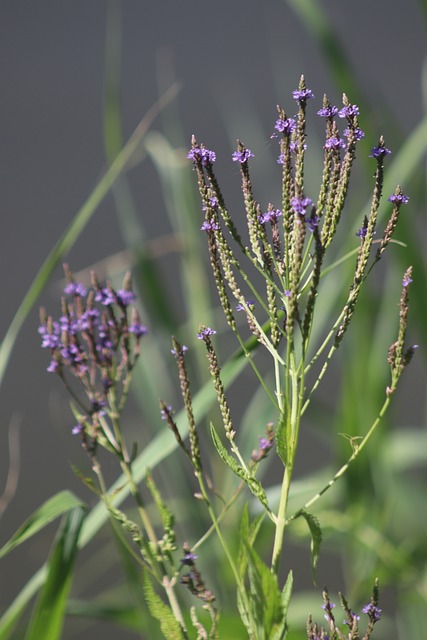
GARDENING TIPS
H : 90 cm – 1,2 m
D : 25 – 40 cm
Soil : moist and well-drained.
Parts used : flowering tops.
PROPERTIES
Calming, uterine tonic, sedative, expectorant, etc.
USES
Used for the nervous system, menstrual pain, etc
CONTRAINDICATION
* Not recommended during pregnancy.
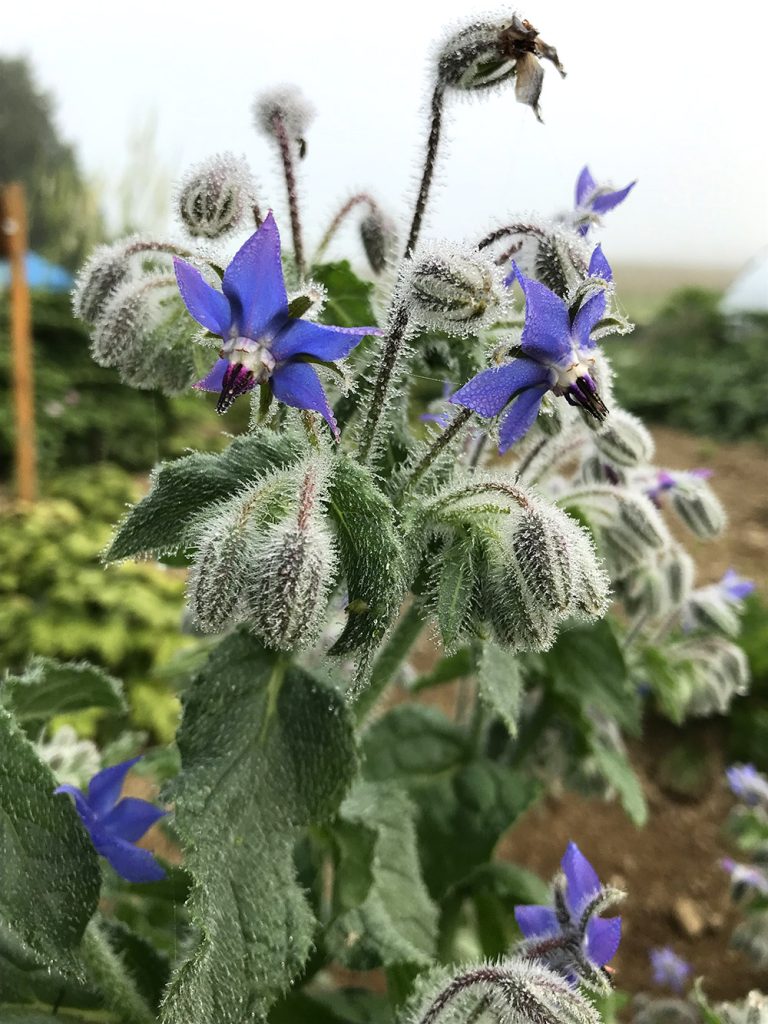
GARDENING TIPS
H : 30 – 1 m
D : 30 – 45 cm
Soil : rich, humid, and well-drained.
Parts used : flowering tops, pressed seeds for oil.
PROPERTIES
Refreshing, bechic, calming, anti-inflammatory, febrifuge, antidepressant, hormonal regulator, edible, etc.
USES
Used for respiratory tract ailments, minor depression, fever etc. The oil is used for premenstrual syndrome, menopause, high blood pressure, etc. For cooking : its pretty, delicate, and refreshing flowers are great in salads, ice cubes, for decorating desserts, and more.
CONTRAINDICATION
* Not recommended during pregnancy and breastfeeding.
* The plant contains a small amount of alkaloids, so do not take in large quantities, nor over a long period of time (3 weeks maximum). The oil from the seeds contains no alkaloids, so it is recommended for long-term use. * Touching may cause dermatitis. People with sensitive skin be cautious.
GARDENING TIPS
H : 1,5 m
D : 1 m
Soil : rich and humid, neutral to alkaline.
Parts used : roots picked in the fall of the first year.
PROPERTIES
Purifying, antiviral, antiseptic, emollient and mucilaginous, anti-inflammatory, effective against staphylococcus aureus, streptococcus and pneumococcus (if taken in time), and more.
USES
Used for all skin problems (eczema, psoriasis, and more), rheumatism and gout, blood cleansing (with curled dock or red clover) and acne (with dandelion), etc. For cooking : peeled young stalks can be eaten like celery, and the roots can be eaten raw in salads or used in Japanese cuisine (Gobo), soaked and then stirfried with carrots, sesame oil, soy sauce and I like to add a little lemon!
CONTRAINDICATION
* Not recommended during pregnancy and breastfeeding.
