
 My cart
Self-Heal
French name : Brunelle
Latin name : Prunella vulgaris
Family : Lamiaceae

GARDENING TIPS
H : 50 cm
D : indefinite, will spread.
Soil : humid and well-drained.
Parts used : flowering tops.
PROPERTIES
Vulnerary, astringent, antibacterial, antiviral, antioxidant, healing, digestive (slightly bitter which is stimulating for the liver and gallbladder), hypotensive, anti-inflammatory especially for the mucous membranes because of its calming effect, diaphoretic, and more.
USES
Used for hemorrhage, heavy menstruation, diarrhea, vomiting, stomach cramps, mouthwash for mouth ulcers, oral herpes, pressure, sore throat, lungs, flu, etc. For cooking : young leaves and stems can be eaten raw, in salads, or cooked.
CONTRAINDICATION
* We haven’t found any information regarding contraindications during pregnancy, breastfeeding, and for children under 2 years old.


Siberian Ginseng
French name : Ginseng sibérien
Latin name : Eleutherococcus senticosus
Family : Araliaceae

GARDENING TIPS
H : 7 m
D : indefinite, will spread.
Soil : rich, moist, and well-drained.
Parts used : roots and/or root bark and leaves.
PROPERTIES
An adaptogenic shrub that nourishes and restores the nervous system (neuroprotective) and strengthens the immune system (immunomodulatory-immunoprotective), antioxidant, antiviral, antidiabetic, radioprotective, chemoprotective, anti-fatigue, etc.
USES
Often used as a supportive treatment for cancer (radiotherapy and chemotherapy), to fight fatigue and boost energy, to regulate blood sugar levels, enhance mental capacities, and more.
CONTRAINDICATION
* Not recommended during pregnancy and breastfeeding.
Scullcap
French name : Scutellaire
Latin name : Scutellaria lateriflora
Family : Lamiaceae
GARDENING TIPS
H : 45 – 75 cm
D : 45 cm (indefinite, will spread)
Soil : rich and humid.
Parts used : leaves and flowering tops.* Caution: It can be invasive, like mint plants.
PROPERTIES
Bitter, tranquillizing, sedative, nervine, antispasmodic, anxiolytic, etc.
USES
Used for nervous system issues, anxiety, spasms, convulsions, headaches, afterbirth pains (cramps after childbirth), etc.
CONTRAINDICATION
* Not recommended during pregnancy.
Small-Flowered Willowherb
French name : Épilobe à petites fleurs
Latin name : Epilobium parviflorum
Family : Onagraceae

GARDENING TIPS
H : 60 – 90 cm
D : 30 – 45 cm
Soil : moist and well-drained.
Parts used : flowering tops.
PROPERTIES
Reputed for prostate health, and is also good for the kidneys, bladder, and more.
USES
Used for all prostate, kidney, or bladder disorders (cystitis), and more. * For prevention, use 1 teaspoon per cup of boiling water, infuse for a few minutes and drink. A cup on an empty stomach in the morning and a cup at bedtime. * I recommend it with nettle.
CONTRAINDICATION
* Not recommended during pregnancy and breastfeeding.
Smooth Sumac
Nom anglais : Smooth sumac
Latin name : Rhus glabra
Family name : Anacardiaceae

GARDENING TIPS
H : 3 – 5 m
D : 1,5 – 2,2 m
Soil : well-drained.
Used parts : ripe fruit and root bark.
PROPERTIES
Tonic, astringent, antiseptic, mucilaginous, diuretic (fruit), etc.
USES
Used against diarrhea and dysentery (root bark), for colds and flu (fruit), and bladder pain (fruit), etc. External use : for skin irritations, ulcers, vaginal discharge, hemorrhoids, etc. For cooking : With its very tart taste and beautiful pink colour, it is widely used to make lemonade without lemons. Moreover, its dried and ground fruit is an important ingredient in za’atar, an oriental spice.
CONTRAINDICATION
* Caution: Leaves are toxic.
Spearmint
French name : Menthe à épis
Latin name : Mentha spicata
Family : Lamiaceae
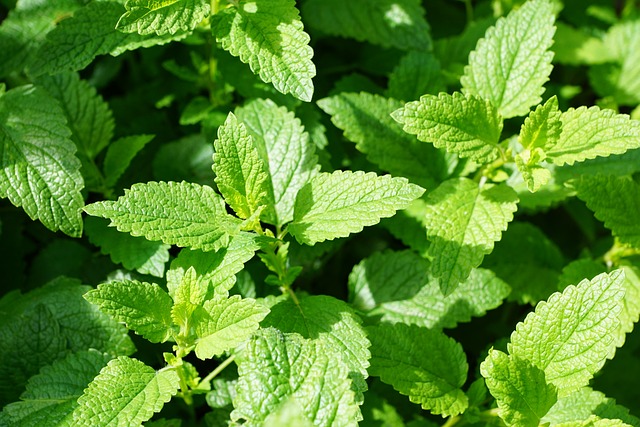
GARDENING TIPS
H : 30 – 90 cm
D : 30 – 45 cm (indefinite, will spread)
Soil : rich and humid.
Parts used : leaves and flowering tops.
PROPERTIES
Aromatic, analgesic, antiseptic, anesthetic, stimulating, digestive, refreshing, culinary, etc.
USES
Used for neuralgia, headaches, circulation, bloating, massages, digestion, oral hygiene, etc. For cooking : its refreshing flavour pairs well with fresh beans, fruit, salads, desserts, cocktails, lemonade, and more.
CONTRAINDICATION
* Not recommended during pregnancy, breastfeeding, and for children under 2 years old.


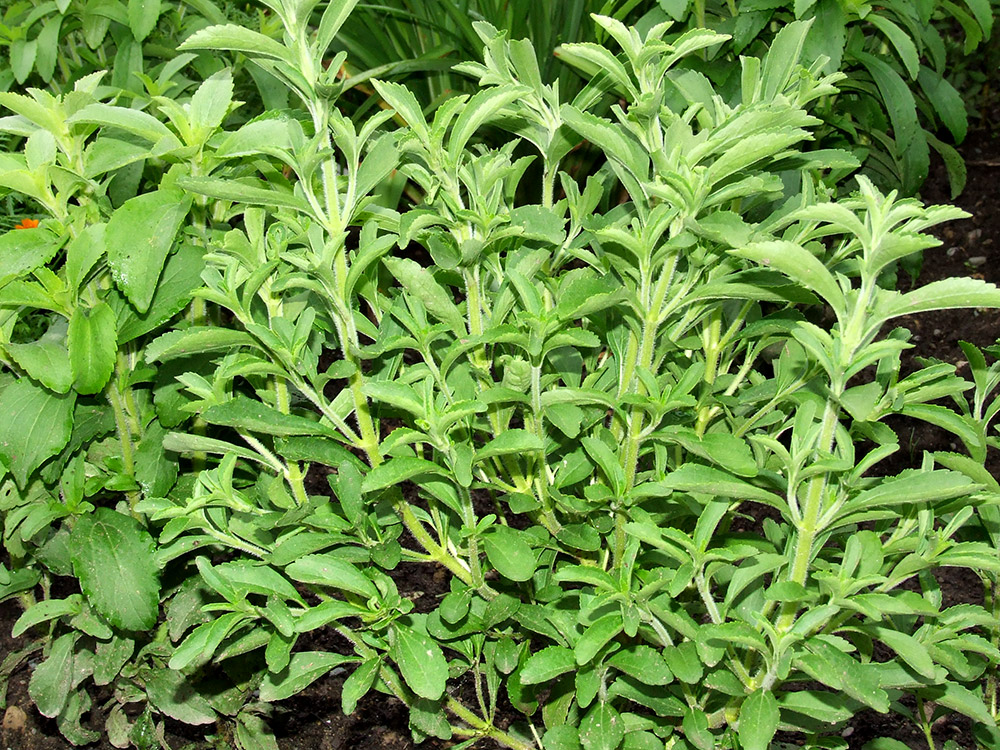
GARDENING TIPS
H : 45 – 60 cm
D : 30 – 45 cm
Soil : rich, humid, and well-drained.
Parts used : leaves.
* For potted cultivation, bring indoors at the first frost. Pinch the plant when it starts to flower.
PROPERTIES
Sweet-tasting plant (sugar-free, calorie-free, glycemic index-free).
USES
For cooking: whole leaves are used to sweeten your herbal teas or in powder form to add to your cakes, cookies, etc. * Caution: do not use too much, as it has a highly concentrated sweet taste with a pronounced aftertaste that lingers.
St.John’s Wort
French name : Millepertuis
Latin name : Hypericum perforatum
Family : Hypericaceae
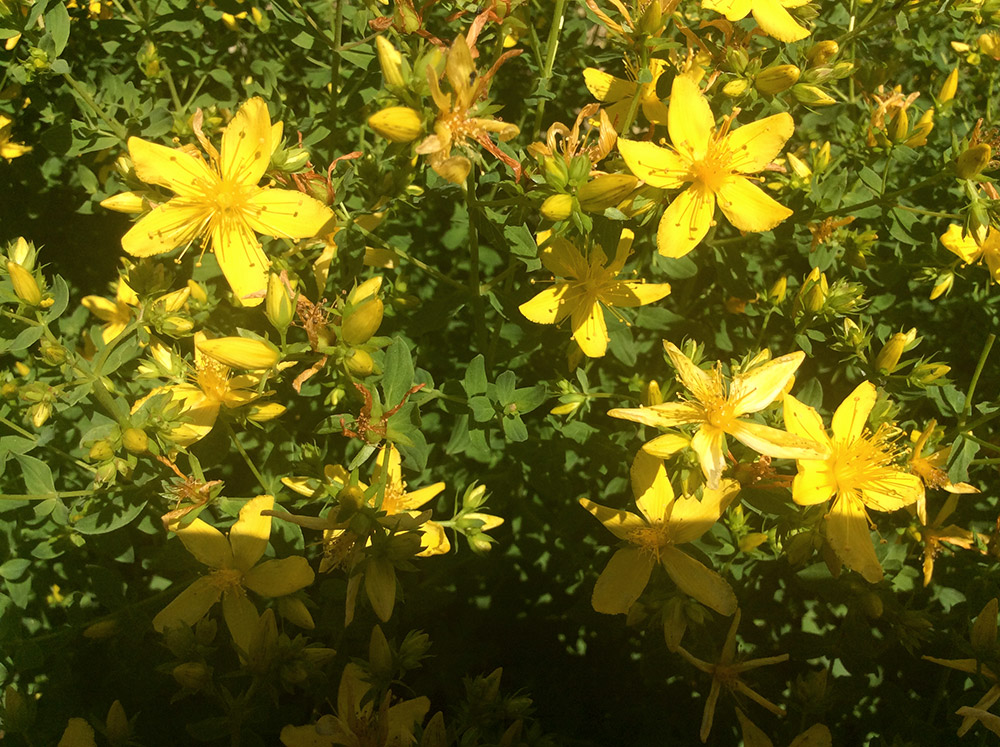
GARDENING TIPS
H : 30 – 60 cm
D : 60 – 90 cm
Soil : well-drained, sandy, gravelly, medium to poor.
Parts used : flower buds and fresh flowers.* Each plant produces up to 30,000 seeds each year that the wind disperses everywhere.
PROPERTIES
Antiseptic, antidepressant, astringent, healing, analgesic, diuretic, vulnerary, sedative, anti-inflammatory, stimulates the immune system, antibiotic, antifungal, etc.
USES
Used for all nervous conditions (anxiety, mild depression, insomnia, etc.), bedwetting, cystitis, pain, PMS, menopause, pre-menopause, etc. External use : for burns, wounds, ulcers, rheumatic and sciatic pain, irritations, neuralgia, fungi, shingles, etc.
CONTRAINDICATION
* Not recommended during pregnancy, breastfeeding. * Not recommended with all medication, antidepressants, and birth control pills. * Avoid sun exposure during internal use of this plant.

GARDENING TIPS
H : 90 cm
D : 30 – 45 cm
Soil : rich and well-drained.
Parts used : flowers at the beginning of flowering.
PROPERTIES
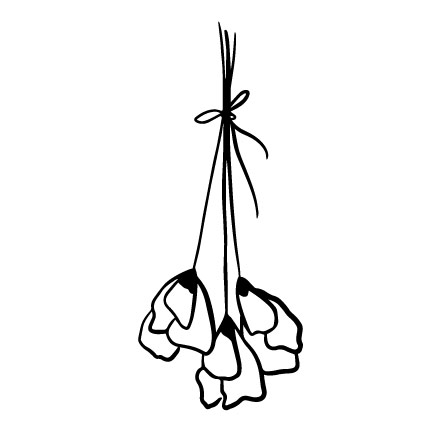
Ornamental, slightly fragrant and highly colourful, perfect for cut and dried flowers.
USES
Used for making fresh or dried bouquets. For dried bouquets, harvest at the very beginning of flowering, cut a long enough stem, remove the leaves, and hang in a warm and dry place for a week. You can tie a dozen stems together with an elastic band for drying. Afterward, you can add raffia or any other ribbon according to your preference.

GARDENING TIPS
H : 30 – 45 cm
D : 15 – 30 cm
Soil : light and well-drained.
Parts used : eaves and flowering tops.* Planted in the garden as a companion plant, it repels carrot flies.
PROPERTIES
Aromatic, culinary, carminative, digestive, antiseptic, expectorant, tonic, stimulant, aphrodisiac, etc.
USES
Used for gas, flatulence, bloating, digestion (especially legumes, meats, and starches), cough, fatigue, bronchitis, etc. For cooking : it is used with legumes (beans, peas, fava beans, etc.), stir-fried vegetables, mashed potatoes, meat, game, fish, soups, sauces, etc.
CONTRAINDICATION
* Not recommended during pregnancy.
Sweet Cicely
French name : Myrrhe odorante
Latin name : Myrrhis odorata
Family : Apiaceae
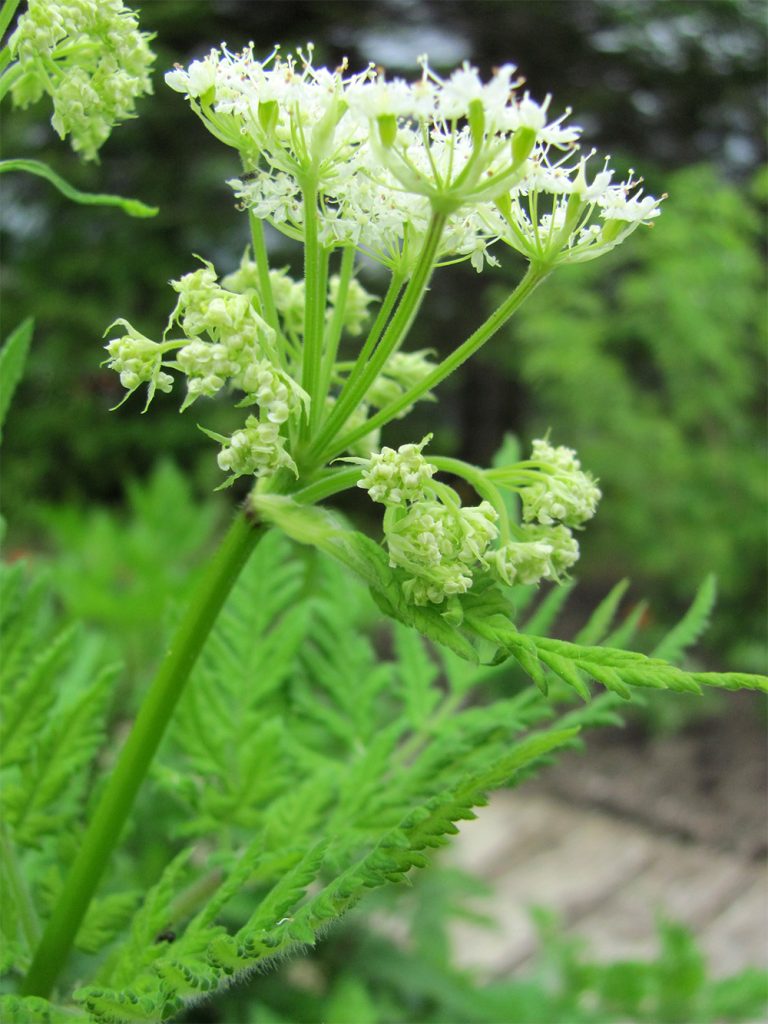
GARDENING TIPS
H : 1 – 2 m
D : 60 – 120 cm
Soil : rich and moist.
Parts used : young shoots, leaves, flower tops, seeds, and roots.
PROPERTIES
Melliferous (appreciated by pollinators), sweetly aromatic, digestive, carminative, stomachic, expectorant, decongestant of the respiratory tract (mucus), and more. Very appreciated by deer in the spring.
USES
Its young shoots can be eaten raw in salads or stir-fried, like fennel. Its leaves(finely chopped) before flowering are excellent in salads or as herbal tea. Its flower tops are great for garnishing and adding a light aniseed flavour to dishes. Its green seeds (not yet ripe) have a crunchy, sweet, and tasty aniseed flavour, while its dried, boiled, and strained seeds are good for flavouring acidic fruit in jams. Its parsnip-flavoured roots can be steamed with butter.
CONTRAINDICATION
*We have not found any information on contraindications during pregnancy, breastfeeding and for children under 2 years old.

Sweet Flag
French name : Acore odorant
Latin name : Acorus calamus
Family : Acoraceae
GARDENING TIPS
H : 30 cm – 1,5 m
D : 30 – 45 cm (indefinite, will spread)
Soil : very humid, wet, or shallow water (25 cm maximum).
Parts used : rhizomes.
* It is advisable to cultivate and propagate this plant as it is becoming increasingly scarce in its natural habitat.
PROPERTIES
Aromatic, carminative, appetite stimulant, antispasmodic, tonic, culinary, liquefying (mucus), sedative, etc.
USES
Used for gastritis, digestion, flatulence (gas), stimulating the appetite, liquefying excess mucus, and nervousness. For cooking : to flavour beer, soft drinks, sweets, etc. External use : the dried rhizomes are finely powdered and used in potpourri as both a scent and a stabilizer for essential oils.
CONTRAINDICATION
*Not recommended during pregnancy, breastfeeding and for children under 2 years old. In excess can cause vomiting. Not recommended for people who perspire a lot or who have heat stroke.
Sweetgrass
French name : Foin d’odeur
Latin name : Hierochloë odorata
Family : Poaceae
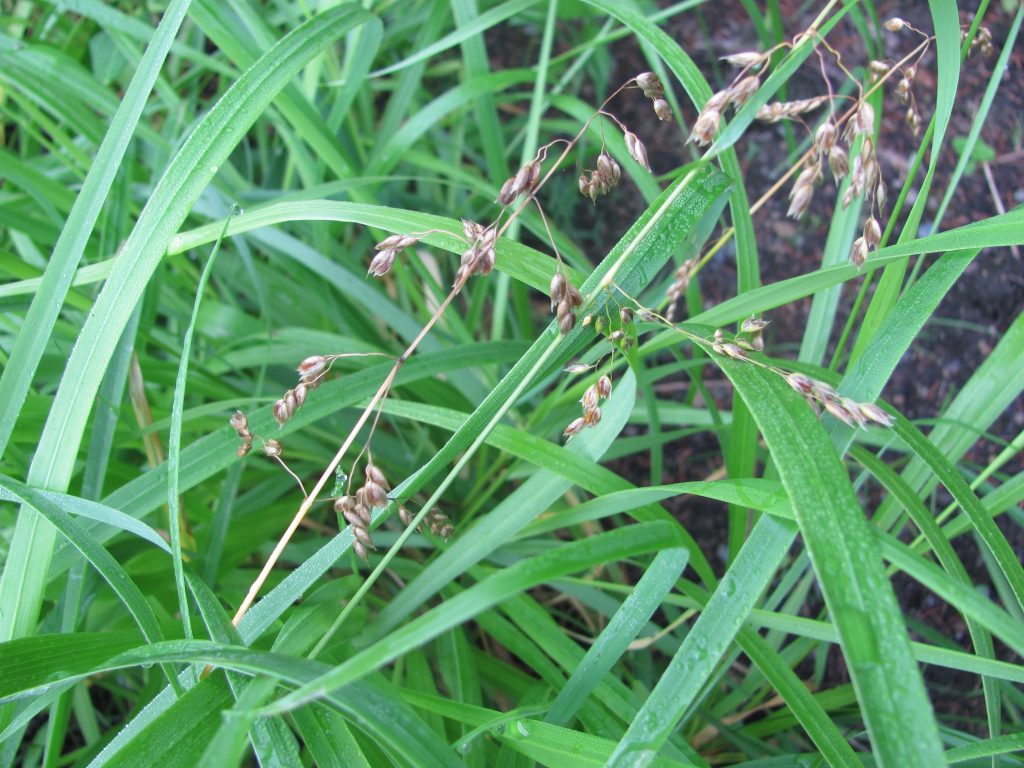
GARDENING TIPS
H : 25 – 50 cm
D : 40 – 60 cm
Soil : well-drained, humid.
Parts used : leaves.
PROPERTIES
An aromatic plant with vanilla flavour and scent, very fragrant which releases its odour once dried. Used for ages in Indigenous traditions as a sacred, protective, purifying, and good luck charm, etc.
USES
Used as an infusion for coughs, and sore throat, but mostly used in smudging for spiritual healing, etc. External use : its oil is used extensively in perfumes and to scent tobacco, and in smudging for purification and prayers during ceremonies and rituals. For cooking : to add flavour to desserts, meat, alcohol, and milk. * It must be dried or infused to release its odour.
CONTRAINDICATION
* We haven’t found any information regarding contraindications during pregnancy, breastfeeding, and for children under 2 years old. * As it contains a lot of coumarin (blood thinner), do not take regularly or in large quantities if you are using anticoagulants.
Sweet Majoram
French name : Marjolaine
Latin name : Origanum majorana
Family : Lamiaceae
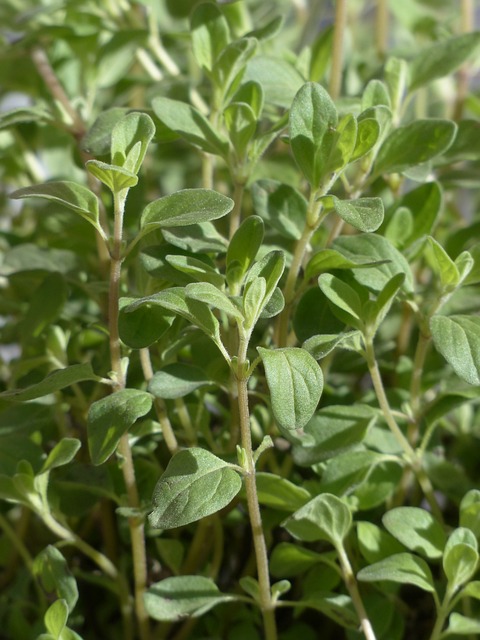
GARDENING TIPS
H : 15 cm (in our climate)
D : 15-20 cm (in our climate)
Soil : limestone, well-drained.
Parties utilisées : leaves and flowering tops.* Cultivated as an annual in our climate.
PROPERTIES
Aromatic, analgesic, antiseptic, digestive, relaxing, emmenagogue, expectorant, etc.
USES
Used for cough, digestion, difficult menstruation, etc. For cooking : Widely used in Italian cuisine. Also, an important ingredient in the flavourful herbs of Provence. External use : neuralgia, stiff neck, rheumatism, arthritis, cold sores, etc.
CONTRAINDICATION
* Not recommended during pregnancy.
Sweet Woodruff
French name : Aspérule odorante
Latin name: Asperula odorata
Family : Rubiaceae
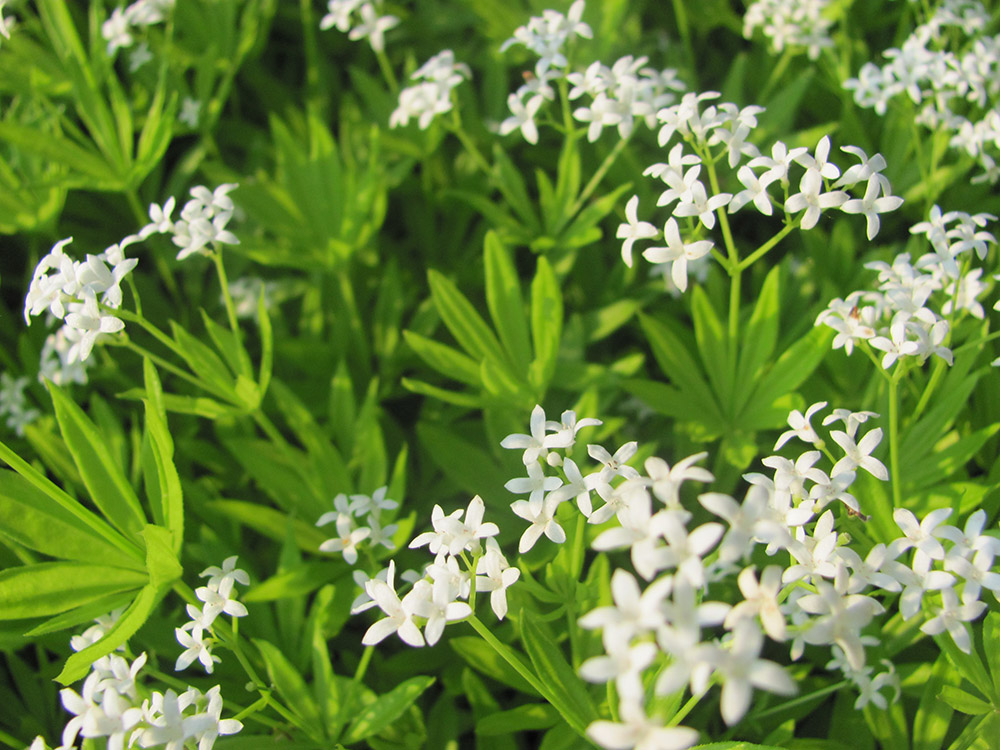
GARDENING TIPS
H : 50 cm
D : 30 – 45 cm (indefinite, will spread)
Soil : well-drained and humid.
Parts used : the whole plant. (At the beginning of flowering).
PROPERTIES
Aromatic, astringent, diuretic, sedative, culinary, etc.
USES
Used for treating varicose veins, relieving children’s insomnia, addressing liver problems, hepatic conditions (liver), etc. The dried plant is used to add fragrance to potpourri and tobacco blends. * It is important to note that its aromatic properties are released through the drying or infusion process. For cooking: the flowers are consumed in salads, with fruit (especially strawberries), in May wine recipes to flavour certain white wines (Riesling or Moscato), etc.
CONTRAINDICATION
*Caution: strong doses may cause vomiting and dizziness.
GARDENING TIPS
H : 50 – 150 cm
D : 120 – 150 cm
Soil : any type of well-drained soil.
Parts used : leaves and flowering tops.
PROPERTIES
Antiparasitic, antibacterial, antiviral, febrifuge, hemostatic, etc.
USES
Used to treat malaria, certain cancers, certain parasites or bad intestinal bacteria, nosebleeds, fever, etc.
CONTRAINDICATION
* Not recommended during pregnancy, breastfeeding, and for children under 2 years old. * Do not use if you are epileptic, or if you have heart problems. * Use only in small doses and for short periods. * I recommend being accompanied by a qualified herbalist for the use of this plant.
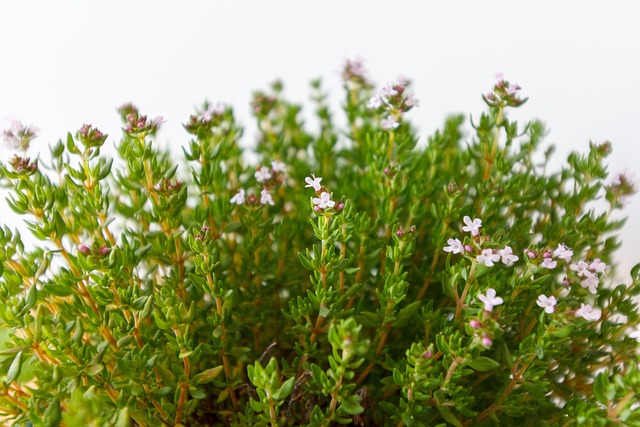
GARDENING TIPS
H : 30 – 45 cm
D : 25 – 30 cm
Soil : moist and well-drained.
Parts used : leaves and flowering tops.
PROPERTIES
Aromatic, tonic, antiseptic, immune system and appetite stimulant, expectorant, decongestant, antifungal, etc.
USES
Used for bronchopulmonary problems, cough, flu, colds, sinusitis, catarrh, earaches, diarrhea, indigestion, stomachaches, strengthening immunity (especially for children), etc. External use : as an antiseptic for wounds and for hair care, dandruff, etc. For cooking : with stirfries (mushrooms, zucchini, and more), soups, poultry, fish, etc..
CONTRAINDICATION
* Not recommended during pregnancy. * Not recommended medicinally for people with a thyroid problem.
Tibetan Gentian
French name : Gentiane Tibétaine
Latin name : Gentiana tibetica
Family : Gentianaceae
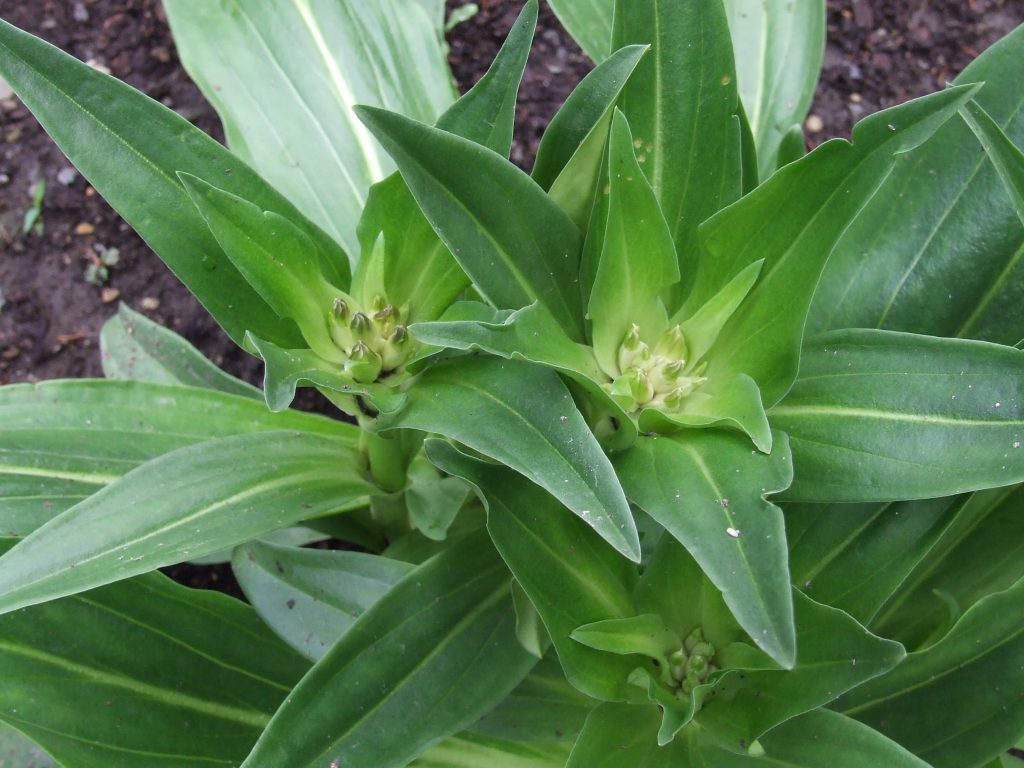
GARDENING TIPS
H : 20 – 60 cm
D : 20 – 30 cm
Soil : any type of well-drained soil.
Parts used : roots (4–5 years old).
PROPERTIES
A bitter and digestive plant that stimulates bile and pancreatic juice production, improves liver function, etc.
USES
Used to stimulate appetite, reduce sugar cravings, support the liver, etc.
CONTRAINDICATION
* Not recommended during pregnancy, breastfeeding, and for children aged 2 and under.
Valerian
French name : Valériane
Latin name : Valeriana officinalis
Family : Valerianacea
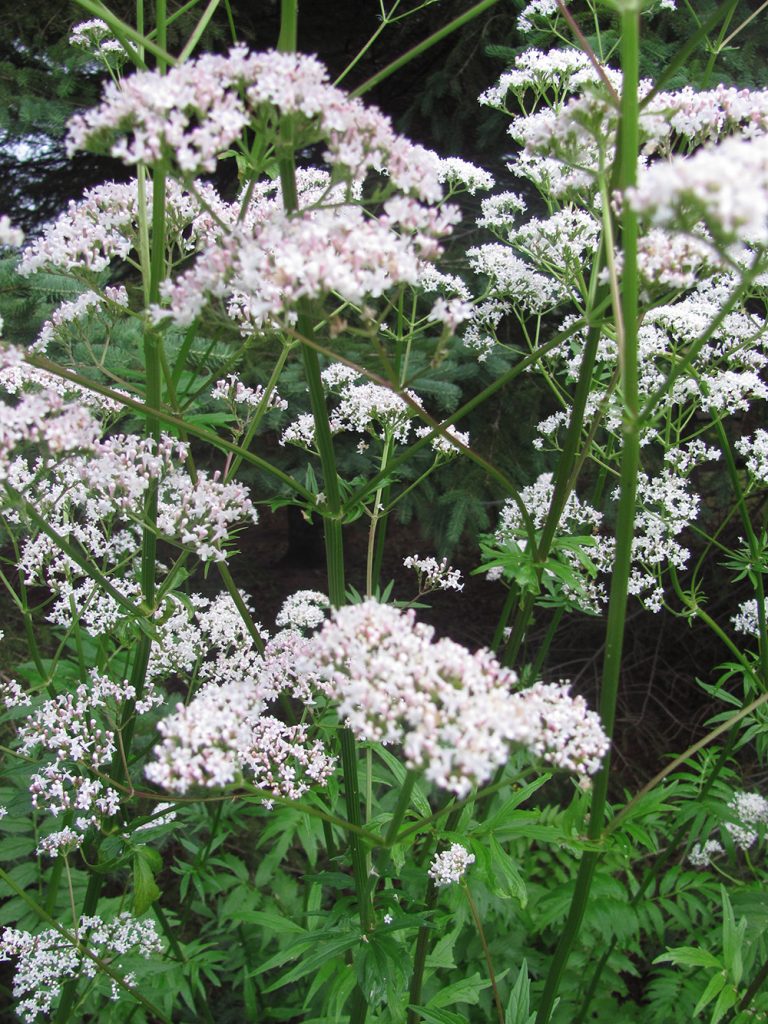
GARDENING TIPS
H : 2 m
D : 25 – 40 cm
Soil : rich, humid, and well-drained.
Used parts : roots of at least 2 years old. * Caution: highly invasive (its mature seeds). It is advisable to cut its flowers before they seed to limit spreading.
PROPERTIES
Bitter, sedative, calming, antispasmodic, anxiolytic, etc.
USES
Used for nervous imbalance, insomnia, anxiety, distress, stress, shock, headaches, alcohol, or drug dependence, etc. *It is recommended to mix it half-and-half with another calming plant, such as hops, chamomile, etc., as sometimes it has the opposite effect when used alone.
CONTRAINDICATION
* Not recommended during pregnancy and breastfeeding. * Not recommended during pregnancy and breastfeeding, for children under 12 years old and people over 65 years old. * Do not take regularly to avoid addiction. Do not exceed recommended doses. Do not give to people with liver problems.
White Sage
French name : Sauge blanche
Latin name : Salvia apiana
Family: Lamiaceae
GARDENING TIPS
H : 30 – 45 cm
D : 30 – 45 cm
Soil : sandy and well-drained.
Parts used : leaves and flowering tops. * In certain regions, it is grown as an annual. It is difficult to propagate from the seeds.
PROPERTIES
An aromatic and sacred shrub, it is antiseptic, anti-inflammatory, antispasmodic, mucolytic, etc.
USES
Used as herbal tea for congestion, excessive sweating, painful menstruation, etc. External use : t is commonly used by Indigenous Peoples for smudging rituals to purify objects and spaces. It can also be used for inhalation to relieve respiratory congestion and for gargling to soothe sore throat.
CONTRAINDICATION
*Not recommended during pregnancy and breastfeeding, and for children under 2 years old.
Wild Bergamot
French name : Monarde fistuleuse
Latin name : Monarda fistulosa
Family : Lamiaceae
GARDENING TIPS
H : 1,2 m
D : 45 cm
Soil : rich and well-drained.
Parts used : flowers.
PROPERTIES
Melliferous (appreciated by pollinators), aromatic, stimulating, digestive, expectorant, diaphoretic, parasiticide, antibiotic, antiseptic, soothing for the throat, etc
USES
Used to relieve nausea, vomiting, indigestion, flatulence, cough, fever, cold, headaches, urinary, bacterial, and fungal infections, etc.
CONTRAINDICATION
* Not recommended during pregnancy, breastfeeding and for children under 2 years old. * At high doses, it can cause gastrointestinal burns.
Wild Pansy
French name : Pensée sauvage
Latin name : Viola x wittrockiana
Family : Violaceae
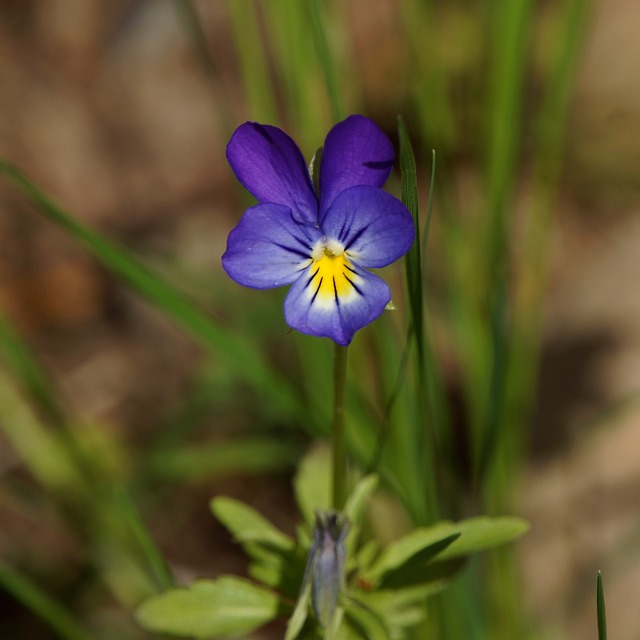
GARDENING TIPS
H : 15 – 30 cm
D : 15 – 30 cm
Soil : rich, moist, and well-drained.
Parts used : flowers. * Once culti- vated in the garden, it self- seeds every year. It prefers cool temperatures.
PROPERTIES
Healing, gentle laxative, blood depurative, anti-inflammatory, emollient, diuretic, tonic, pectoral, vulnerary (heals wounds), culinary, febrifuge, immunostimulant, hypotensive, etc.
USES
Used for skin diseases, cleansing regimens, ringworm, cradle cap, urticaria, coughs, colds, high blood pressure, arthritis, etc. External use : compresses for all skin conditions. For cooking : for decorating food, desserts, salads, drinks, etc.
Wormwood
French name: Absinthe
Latin name : Artemisia absinthium
Family : Asteraceae
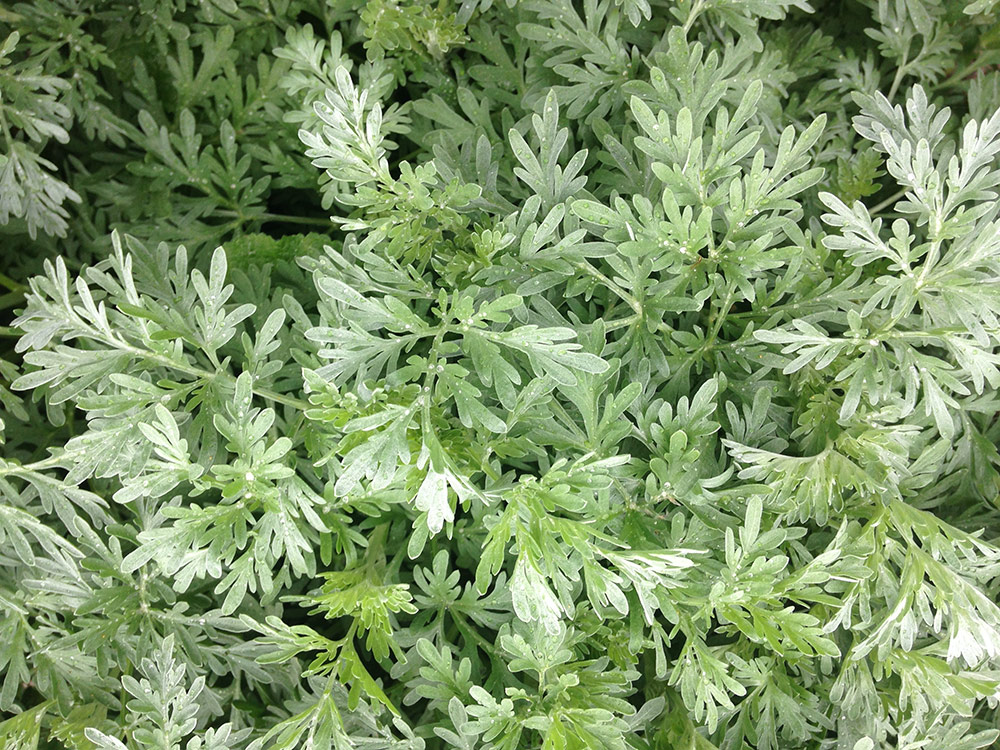
GARDENING TIPS
H : 1 m
D :60 – 90 cm
Soil : well-drained, poor, and light.
Parts used: leaves and flowering tops.
PROPERTIES
Wormwood is antiparasitic and wormer, bitter tonic (for the liver and digestion), appetite stimulant, and emmenagogue.
USES
Used to stimulate appetite, for the liver, and uterus and to help eliminate worms and parasites. Use in small doses and for short periods. Avoid alcohol when using wormwood. External use: used in herbal tea, and against certain harmful insects in organic farming.
CONTRAINDICATION
Not recommended during pregnancy, breastfeeding, and for children under 2 years old. *Toxic plant, and deadly at high dosages. *I strongly recommend being followed by a qualified herbalist when using this plant.
Yarrow
French name : Achillée millefeuille
Latin name : Achillea millefolium
Family : Asteraceae

GARDENING TIPS
H : 30 – 60 cm
D : 30 – 60 cm
Soil : well-drained.
Parts used : leaves and flowering tops.
PROPERTIES
Febrifuge, astringent, digestive, vulnerary, tonic, emmenagogue, hemostatic (external use) healing, antiseptic, etc.
USES
Used to tone up the venous system, for varicose veins, hemorrhoids, painful or irregular menstruation, fever, digestion, blood circulation, etc. External use : the fresh leaves or flowers promote the healing of wounds and can be applied on minor cuts to stop bleeding.
CONTRAINDICATION
* Not recommended during pregnancy.
