
 My cart
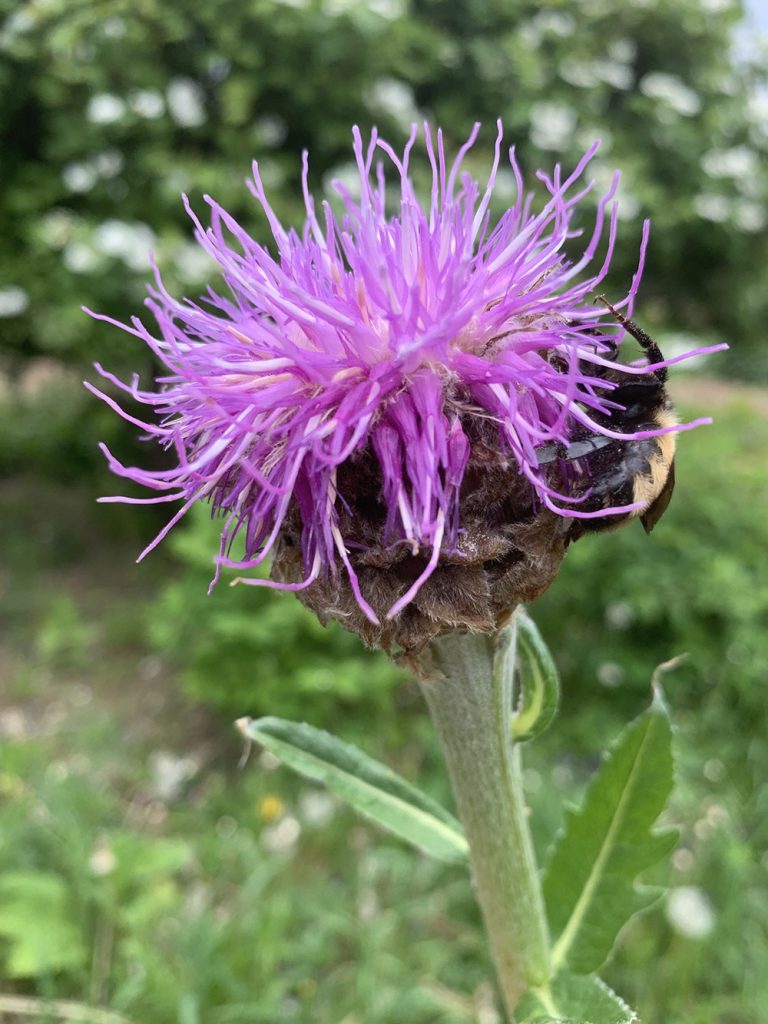
Maral Root
French name : Corne de Maral
Latin name : Rhaponticum Carthamoïdes
Family : Asteraceae
GARDENING TIPS
H : 80 cm – 160 cm
D : 45 cm
Soil : rich and well-drained.
Parts used : roots. (At least 3 years old).
PROPERTIES
An adaptogenic plant that nourishes and restores the nervous system and strengthens the immune system (immunomodulating), antioxidant, general tonic to increase strength and energy, hepatoprotective, antidiabetic, hypocholesterolemic, antiarrhythmic, antidepressant, antifungal, cardioprotective, etc.
USES
Used as a tonic to improve mental and physical sharpness reduce the symptoms of andropause and menopause, stress, fatigue, memory loss, post-surgery recovery, high blood sugar, cholesterol, etc.
CONTRAINDICATION
* Not recommended during pregnancy, breastfeeding and for children under 2 years old.


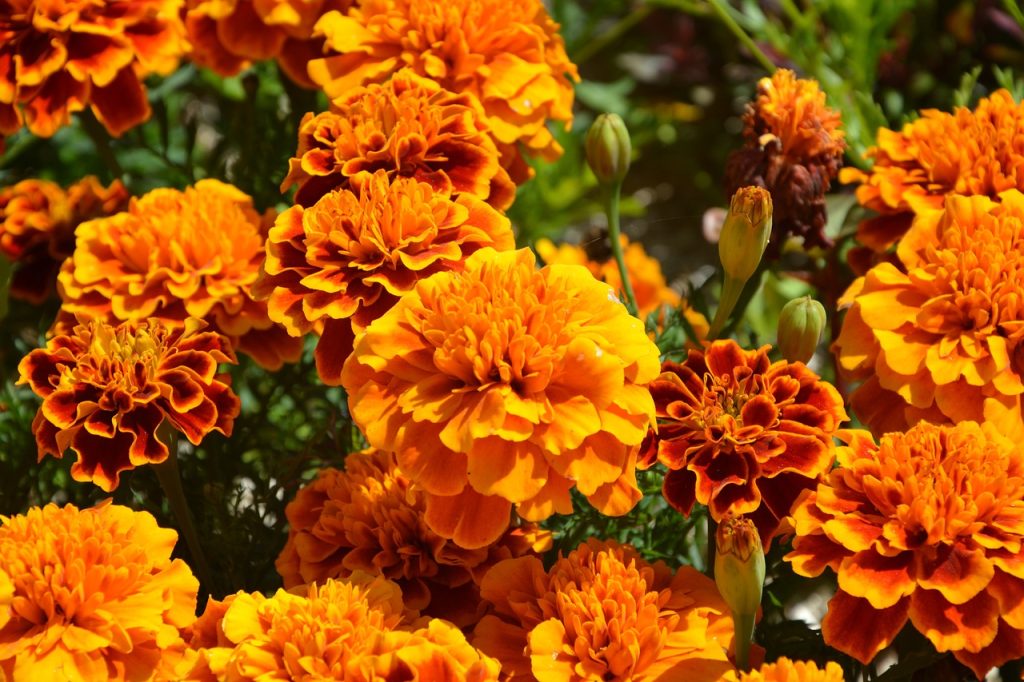
GARDENING TIPS
H : 30 cm
D : 30 cm
Soil : rich and well-drained.
Parts used : Flowers. It repels several garden pests (whiteflies, slugs, nematodes, etc.).
PROPERTIES
Aromatic plant, digestive, depurative (blood), diuretic, antioxidant, healing, emollient, laxative, parasiticide, wormer, insect repellent, etc.
USES
Used as herbal tea for a 2–3 week cleansing regimen, to aid with skin problems, constipation, digestion, etc. For cooking : Although all marigold flowers are edible, I recommend Tagetes tenuifolia, this species of Tagetes, with its slightly lemony taste, is less bitter than others. Only eat the petals. It can be used to colour your food, rice, sauces, etc. External use : the fresh flower or lotion can be applied to infected wounds, boils, cysts, etc.
CONTRAINDICATION
* Not recommended during pregnancy.


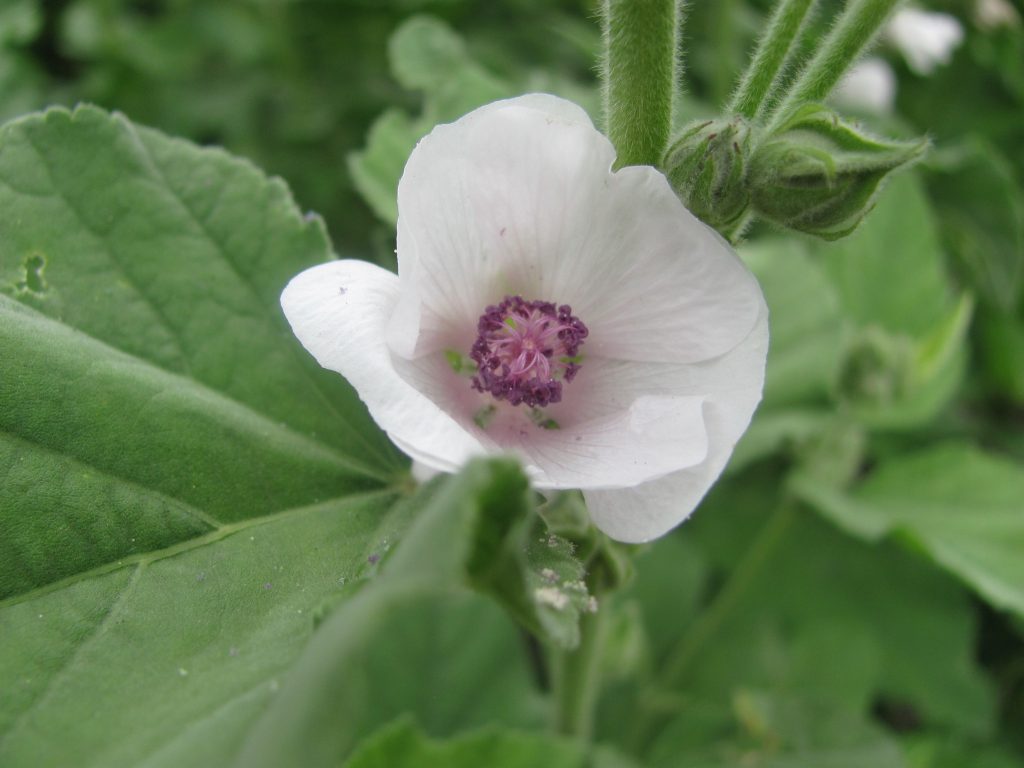
Marshmallow
French name : Guimauve
Latin name : Althaea officinalis
Family : Malvaceae
GARDENING TIPS
H : 1 – 1,2 m
D : 60 – 90 cm
Soil : rich, well-drained, and moist.
Parts used : leaves, flowers, and especially roots of at least 2 years old.
PROPERTIES
Emollient, soothing, lubricating, anti-inflammatory, refreshing, healing, nutritive, laxative, expectorant, etc. Additionally, it helps in lactation by enriching breast milk.
USES
Used wherever softening or soothing is needed: cough, asthma, constipation, irritations, diarrhea, ulcers, cystitis, canker sores, abscesses, etc. For cooking : its soft pinkish, very pale flowers are edible. External use : for skincare and as a poultice on wounds, burns, etc.
CONTRAINDICATION
* Incompatible with strong alcohol, tannin, and iron. * Not recommended in cases of diabetes.
Mauritanian Mallow
French name : Mauve de Mauritanie
Latin name : Malva sylvestris var.mauritiana
Family : Malvaceae
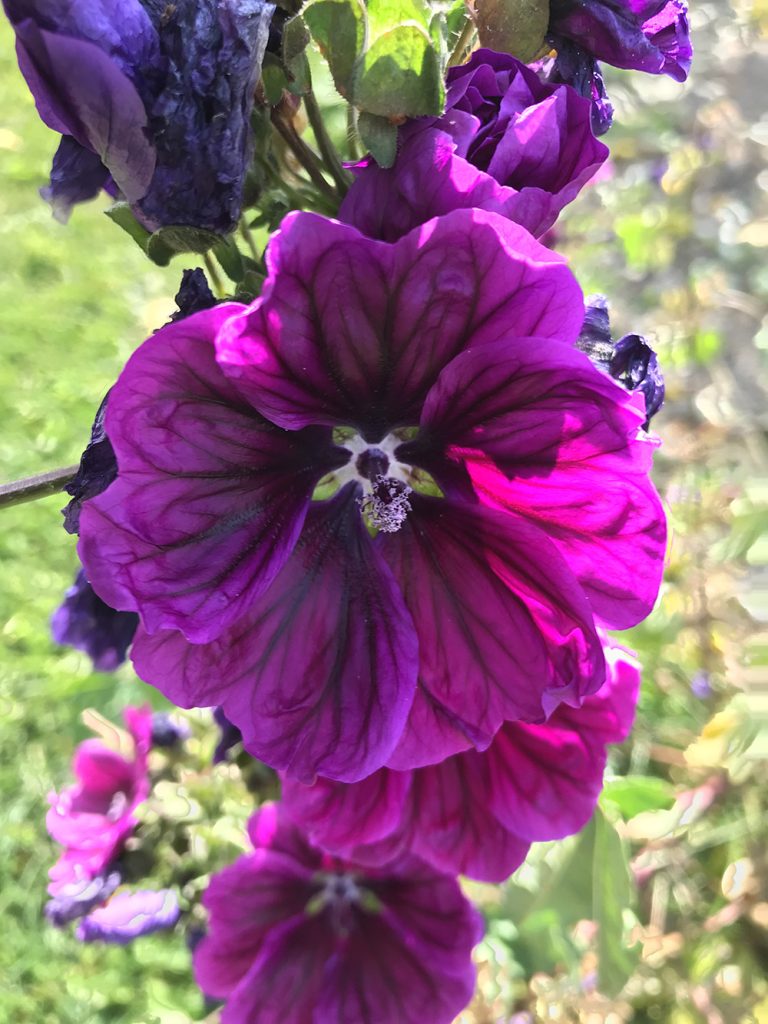
GARDENING TIPS
H : 30 – 80 cm
D : 30 – 60 cm
Soil : well-drained.
Parts used : leaves, flowers, and roots.
PROPERTIES
Emollient, soothing, lubricating, anti-inflammatory, refreshing, healing, nutritive, laxative, expectorant, etc.
USES
Used like the marshmallow, wherever softening is needed, and wherever there is a burning sensation: cough, asthma, bronchitis, constipation, irritations, diarrhea, cystitis, mouth ulcers, abscesses, boils, skincare, etc. For cooking : its leaves, flowers, and green fruit, are edible. External use : as a poultice on wounds, burns, skincare, etc.
Meadowsweet
French name : Reine des prés
Latin name : Filipendula ulmaria
Family : Rosaceae
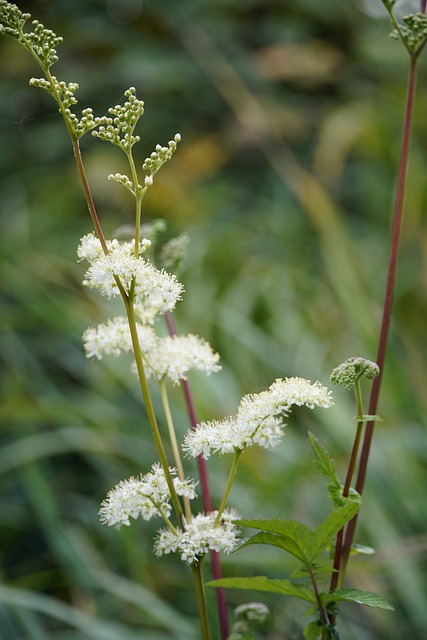
GARDENING TIPS
H : 30 cm – 1,2 m
D : 45 cm
Soil : rich, moist.
Parts used : flowering tops.
PROPERTIES
Astringent, aromatic, antacid, analgesic, digestive (acidic), etc.
USES
Used for pneumonia, dysentery, diphtheria, hyperacidity, gastric ulcers, rheumatism, painful joints, cystitis, diarrhea, etc. For cooking : its highly fragrant flowers are wonderful for flavouring lemonade, beverages, cocktails, rice, desserts, etc.* Use sparingly.
CONTRAINDICATION
* Not recommended for medicinal use during pregnancy, breastfeeding, and for children under 2 years old. * Avoid use if allergic to ASA or taking blood thinners.
Mexican Tarragon
French name : Estragon mexicain
Latin name : Tagetes lucida
Family : Asteraceae

GARDENING TIPS
H : 30 – 80 cm
D : 30 – 45 cm
Soil : rich and well-drained.
Parts used : leaves and flowers.
PROPERTIES
Stimulating, digestive, diuretic, hypotensive, febrifuge, etc.
USES
Used in helping digestion, lowering fever, diarrhea, nausea, etc. * Take in small doses only. For cooking : with its aniseed taste, it is often used as a substitute for French tarragon.
CONTRAINDICATION
* Not recommended during pregnancy. * In large doses may be harmful to the central nervous system.
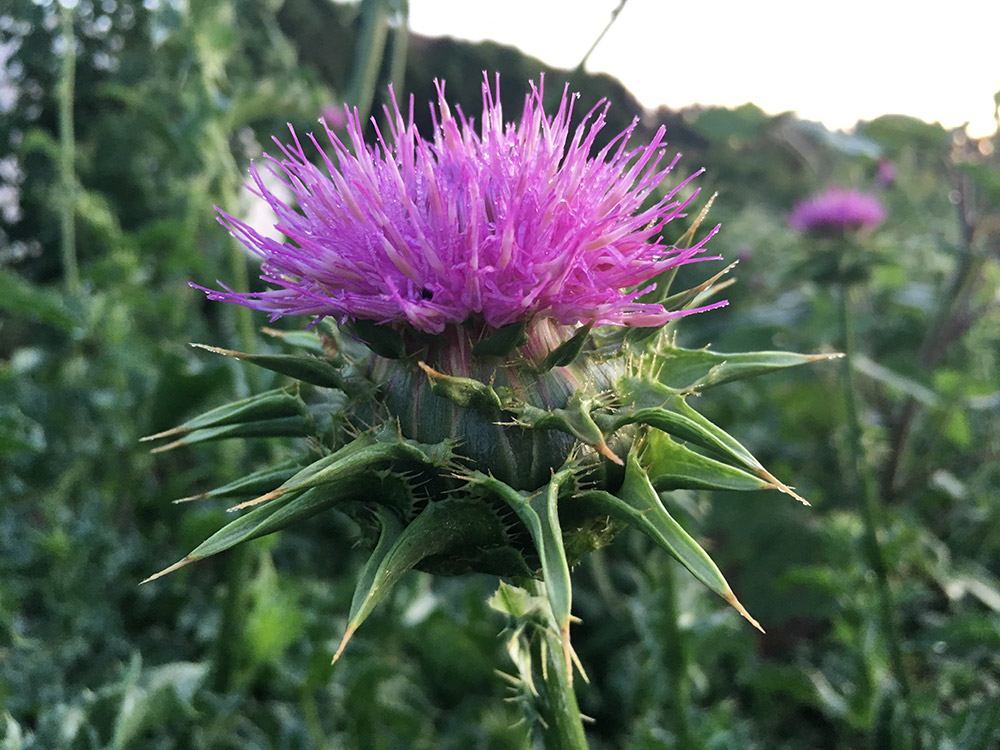
GARDENING TIPS
H : 1,2 m
D : 50 – 60 cm
Soil : well-drained.
Parts used : mature seeds.
PROPERTIES
Regenerates liver cells, stimulates bile production, diuretic, tonic, appetite stimulant, tones the blood vessels, etc.
USES
Used for serious liver diseases, chronic constipation, hemorrhoids, varicose veins, to help eliminate accumulated toxins due to medication or pollutants, and more.
CONTRAINDICATION
* Not recommended during pregnancy. * Very prickly plant, wear leather gloves when picking.
Milkvetch
French name : Astragale
Latin name : Astragalus membranaceus
Family : Fabaceae
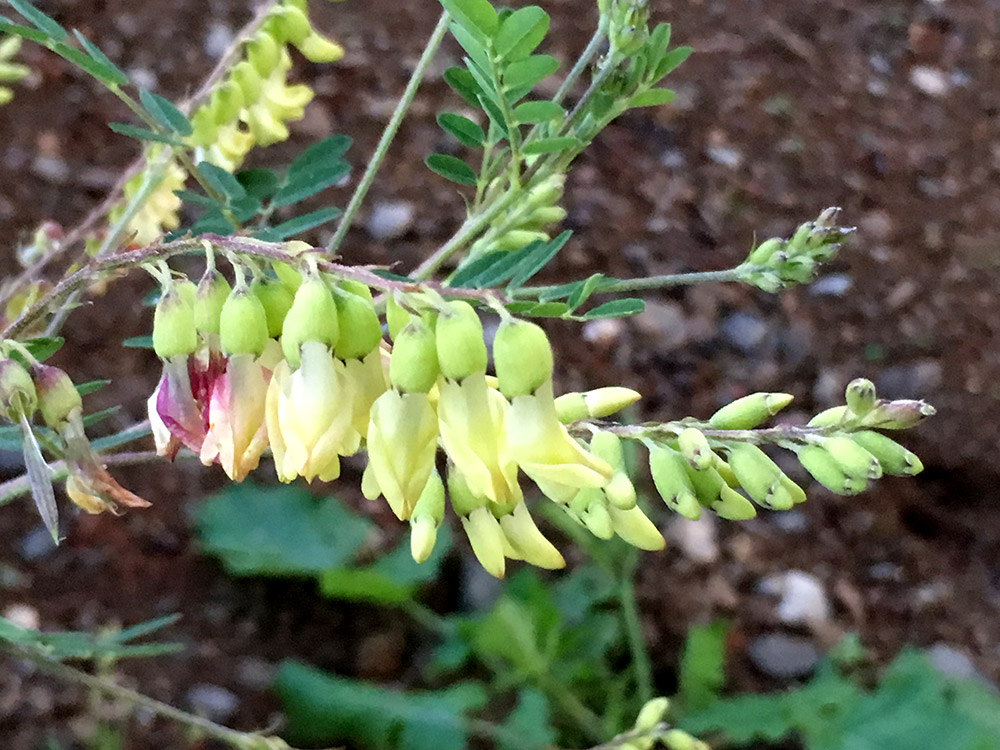
GARDENING TIPS
H : 25 – 40 cm
D : 25 – 40 cm
Soil : rich and well-drained.
Parts used : roots.
PROPERTIES
An adaptogenic plant that strengthens the immune system (immunomodulator), nourishes the spinal cord, used during chemotherapy or radiotherapy, and strengthens the liver, heart, etc.
USES
Used to strengthen the immune system, fatigue, lack of energy, colds, flu, ear infections, diabetes and as a tonic for the liver, kidneys, heart, etc. * In Chinese medicine, it is not recommended for fever.
Motherwort
French name : Agripaume
Latin name : Leonorus cardiaca
Family : Lamiaceae
GARDENING TIPS
H :1,2 m
D : 45 – 60 cm
Soil : moist and well-drained.
Parts used : flowering tops.
PROPERTIES
Antispasmodic, expectorant, emmenagogue, sedative, estrogenic, etc.
USES
Used for cardiac disorders of nervous origin (palpitations), bronchitis, postpartum pain, alleviating menstrual pain and menopausal symptoms, as well as pre-menstrual syndrome, and more. * Caution : can cause bleeding in menopausal women. Use in small quantities.
CONTRAINDICATION
* Not recommended during pregnancy.
* Not recommended if you are taking anticoagulants.
Mullein
French name: Molène
Latin name : Verbascum thapsus
Family : Scrophulariaceae
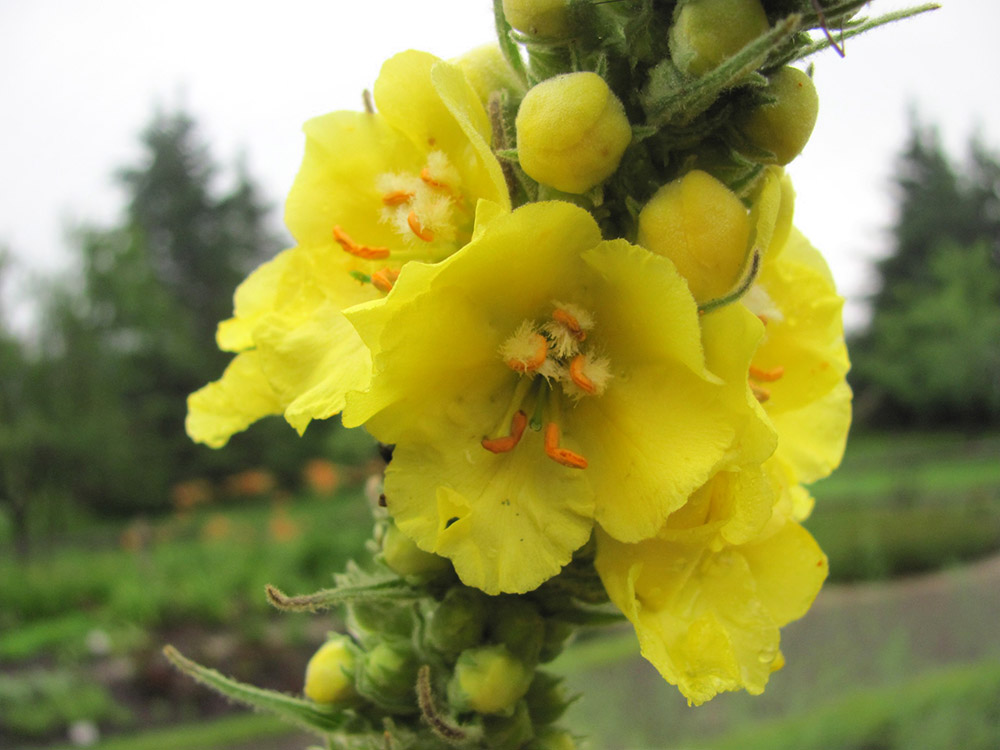
GARDENING TIPS
H : 1 – 2 m
D : 60 – 90 cm
Soil : well-drained and sandy.
Parts used : leaves and especially flowers.
PROPERTIES
Antiseptic, antidepressant, astringent, healing, analgesic, diuretic, vulnerary, sedative, anti-inflammatory, stimulates the immune system, antibiotic, antifungal, etc.
USES
Used for earaches, respiratory tract conditions, inflammations, irritations, hemorrhoids, etc.
Musk Mallow
French name : Mauve musquée
Latin name : Malva moshata
Family : Malvaceae
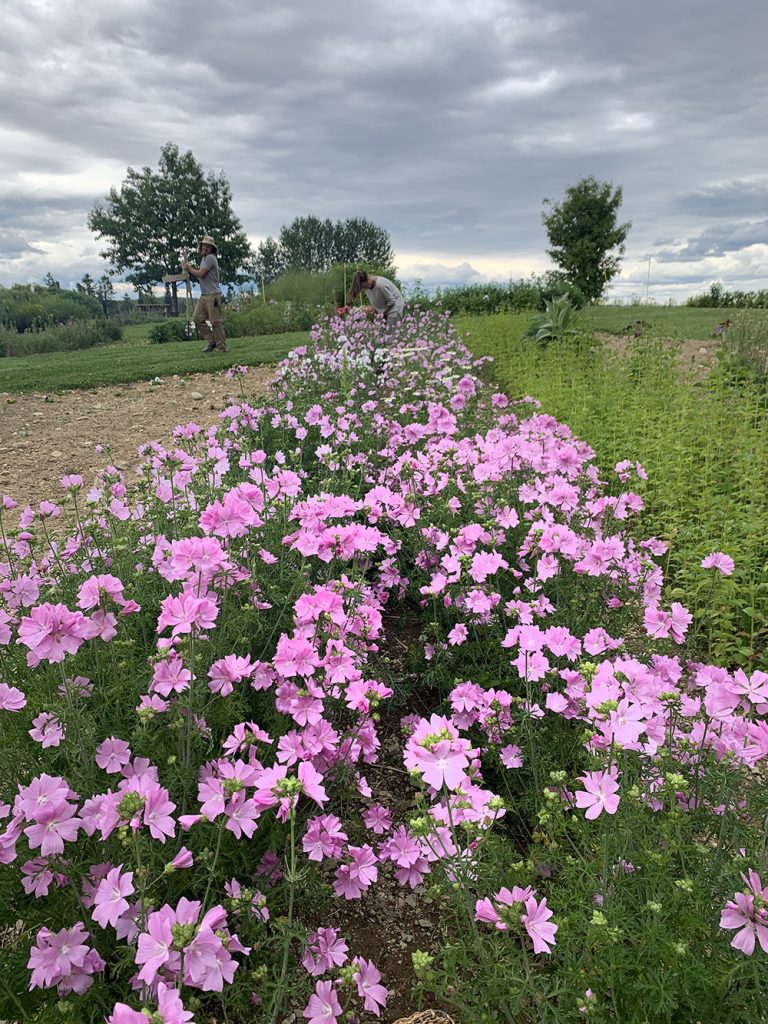
GARDENING TIPS
H : 30 – 80 cm
D : 30 – 60 cm
Soil : well-drained.
Parts used : leaves, flowers, and roots. * Found in the wild throughout Quebec.
PROPERTIES
Emollient, soothing, lubricating, anti-inflammatory, refreshing, healing, nutritive, laxative, expectorant, etc.
USES
Used like the marshmallow, wherever softening is needed, and wherever there is a burning sensation: cough, asthma, bronchitis, constipation, irritations, diarrhea, cystitis, mouth ulcers, abscesses, boils, skincare, etc. For cooking : its leaves, flowers, and green fruit, are edible. External use : as a poultice on wounds, burns, skincare, etc.
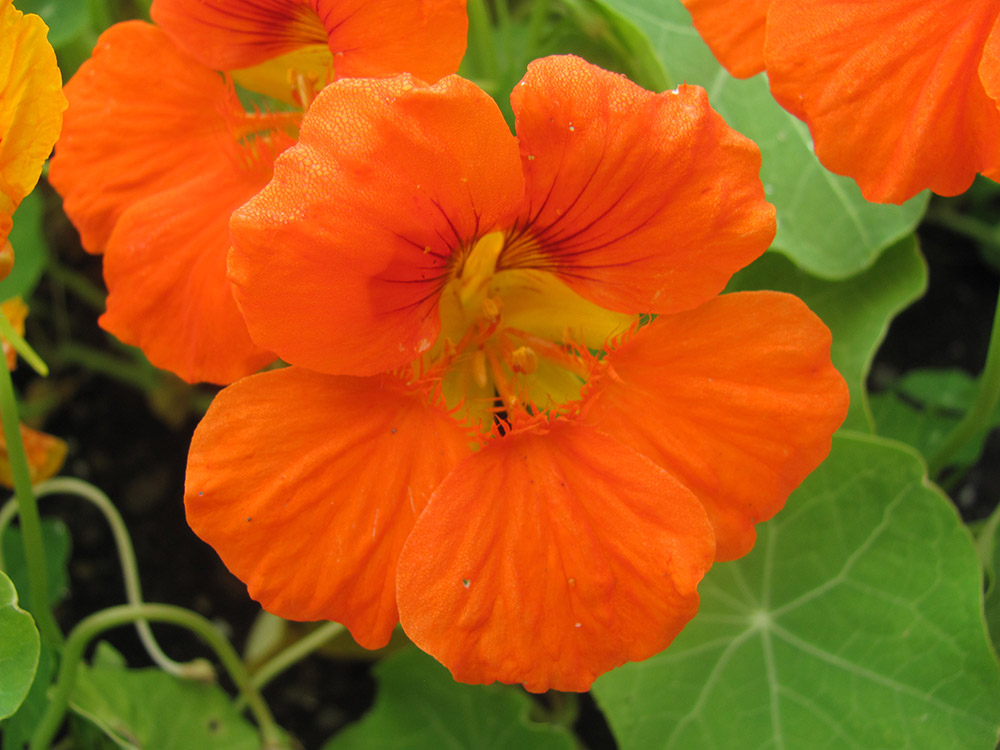
GARDENING TIPS
H : 30 – 45 cm
D : 30 cm
Soil : well-drained and slightly humid.
Parts used : leaves, flowers, buds, and green seeds.* Transplant with care or sow directly in the garden.It is an excellent companion plant in the vegetable garden. The powerful aromatic essence that it gives off repels various insects (white flies in greenhouses, woolly aphids, ants, squash parasites, etc.). Furthermore, it exhibits a remarkable ability to attract black aphids, which are notorious for infesting broccoli. This phenomenon, in turn, attracts beneficial ladybugs that eagerly feed on these small insects. The arrival of ladybugs brings delight to all, as they contribute to maintaining a healthy garden ecosystem by preying on harmful pests.
PROPERTIES
Antibiotic, immunostimulant, antifungal, diuretic, expectorant, antiseptic, culinary, repellent (in the garden), etc.
USES
Used as a natural antibiotic, immune tonic, against fungal diseases (mushrooms), for coughs, etc. External use : as an antiseptic (on infections, abscesses, boils, etc.). For cooking : its leaves and flowers add a peppery taste, and wonderfully accompany salads, cream cheese, eggs, rice, potatoes, strawberries, etc.
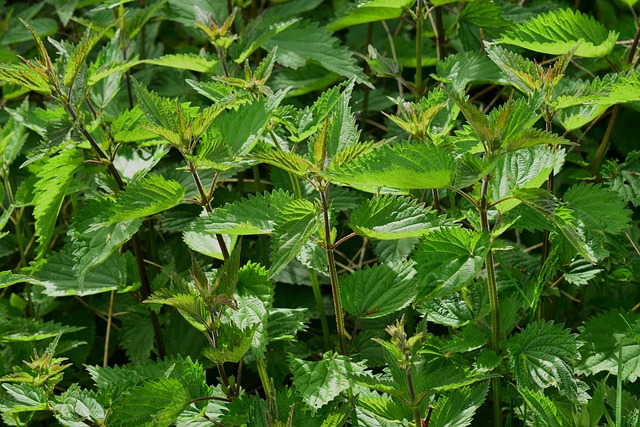
GARDENING TIPS
H : 1 – 1,5 m
D : 30 – 45 cm (indefinite, will spread)
Soil : rich and moist.
Parts used : roots, leaves, and seeds.*Very invasive plant (take necessary measures to manage its growth).
PROPERTIES
Antianemic, depurative, hemostatic, nutritious, astringent, diuretic, rich in vitamins and minerals, culinary, galactagogue, aids in iron assimilation, revulsive when in contact with the skin, and more.
USES
Used for anemia, allergies, dermatosis, urticaria, circulation, diarrhea, kidney support, blood cleansing (mild), gout, arthritis and rheumatism, blood loss, skin diseases, hemorrhoids, high blood sugar, etc. In the garden : used as a natural plant fertilizer in the form of liquid manure, rich in nitrogen, and more. For cooking : Its young leaves are eaten steamed (like spinach), in soup (with potatoes), in pastry with bechamel sauce, with scalloped potatoes, etc. *Remember to wear gloves when handling fresh nettle. When young or cooked, it does not sting. Moreover, it is important to know that the substance that burns (formic acid) and leaves small bumps on the skin after contact is excellent for stimulating circulation, against arthritis, gout, and more. The burning sensation will subside quickly, but you may experience numbness for several hours or even until the next morning. This is not harmful, in fact, it can be beneficial in clearing obstructions.
GARDENING TIPS
H : 30 cm – 1 m
D : 15 – 25 cm
Soil : rich and well-drained.
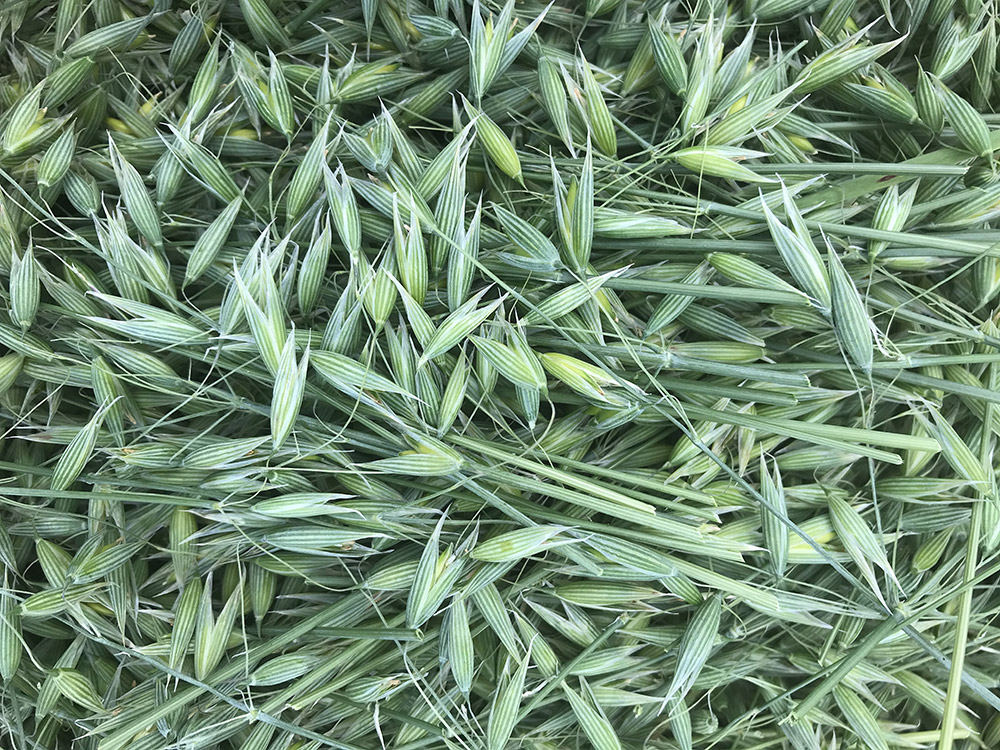
Parts used : Oat milk. Oat milk is harvested when the seed is not ripe but swollen, and when it is crushed, white milk is produced. Additionally, the stem which is rich in silica will also be harvested at the same time.
PROPERTIES
Nutritive and nervine (restores the nervous system), alkalizing, anxiolytic, rich in silica (stems), tonic for the heart and the thymus gland, emollient, etc.
USES
Used to restore the nervous system in times of great stress, nervous fatigue, drug or alcohol withdrawal, osteoporosis, depression, anxiety, herpes, menopause. External use for skin (dry skin, eczema, etc.). It goes well with skullcap and adaptogenic plants such as holy basil or ashwagandha.
Opium Poppy
French name : Pavot à graines
Latin name : Papaver somniferum
Family : Papaveraceae
GARDENING TIPS
H :1 – 1,5 m
D : 30 – 45 cm
Soil : rich and well-drained.
Parts used : Fully ripe seeds. * Transplant with care or sow directly in the garden.* Once cultivated in the garden, it self-seeds every year. Thin and amend as necessary. * Transplant with care or sow directly in the garden.
PROPERTIES
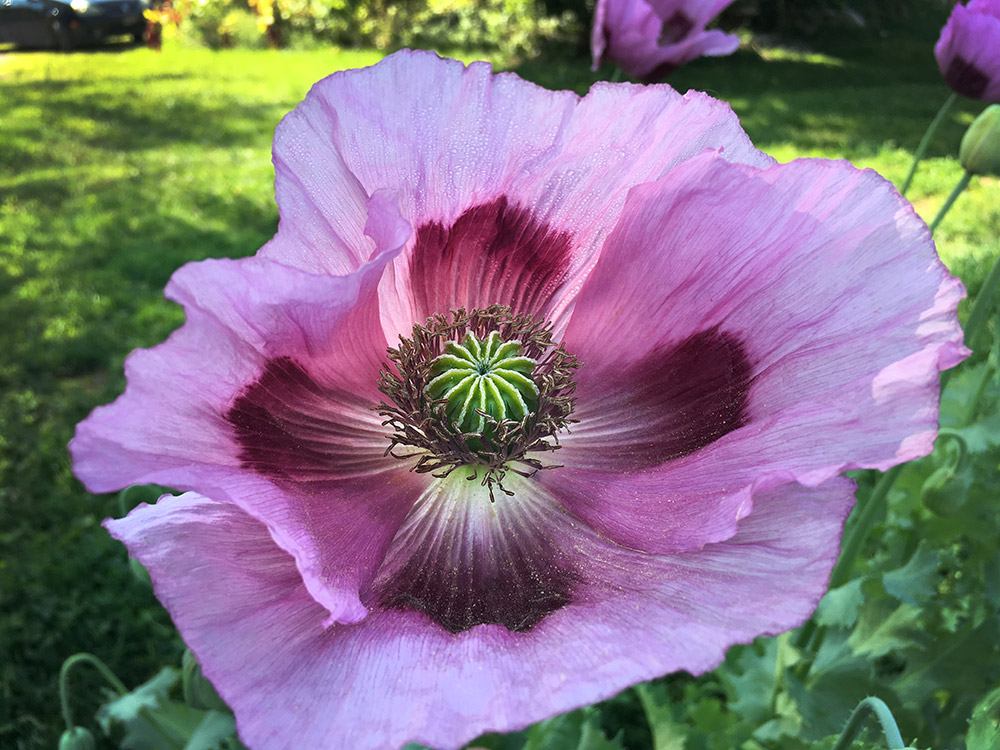
Culinary plant with beautiful pinkpurple flowers which produce a large number of seeds that turn “blue/grey” when ripe. These almond/hazelnut-flavoured seeds are edible and delicious. * Caution: other parts of the plant are toxic.
USES
Used to decorate and add a good taste to various desserts, cakes, fruit salads, pastries, bread, etc. Its seeds can also be pressed to make oil for cosmetics, soap, etc.
CONTRAINDICATION
* Do not use other parts of the plant as they are toxic and contain narcotic substances.
GARDENING TIPS
H : 15 – 20 cm
D : 15 – 30 cm
Soil : humid and well-drained.
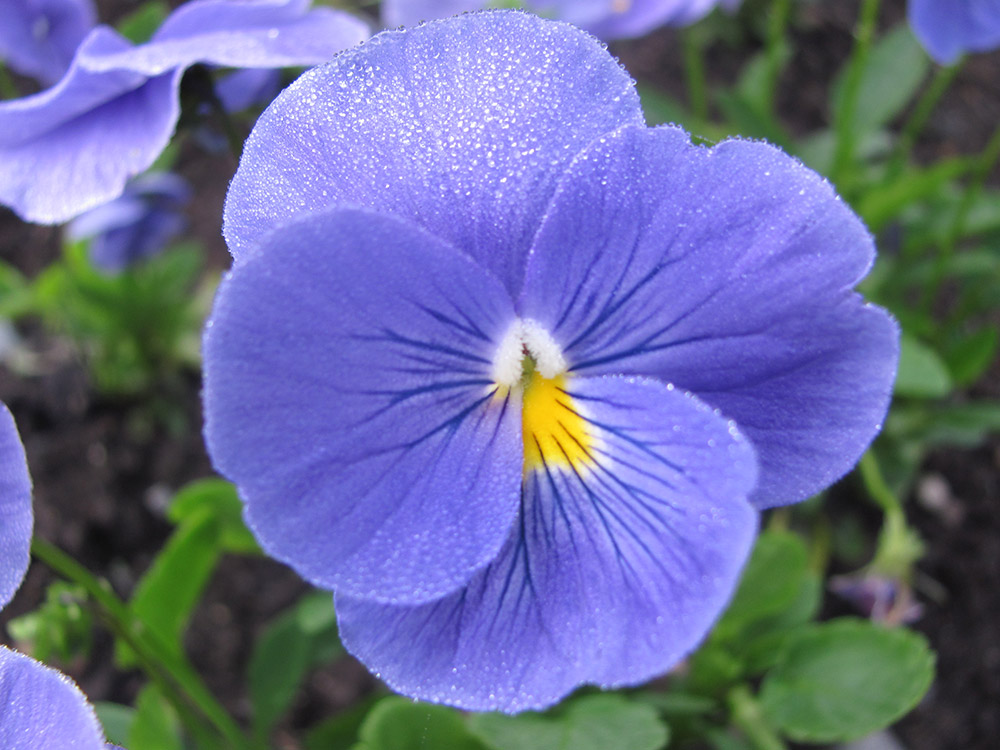
Parts used : flowers.*Although classified as a tender perennial, it is often grown as an annual or biennial, ensuring more stable and abundant flowering.
PROPERTIES
Hybrid plants with similar properties, but less concentrated than wild pansy (Viola tricolor), healing, gentle laxative, blood purifying, anti-inflammatory, emollient, diuretic, tonic, pectoral, vulnerary (healing wounds), febrifuge, immunostimulant, hypotensive, etc.
USES
Used for skin diseases, cleansing, ringworm, cradle cap (head), urticaria, cough, colds, flu, high blood pressure, arthritis, etc. External use : as a compress for all skin conditions. For cooking : to decorate food, desserts, salads, beverages, etc.
Parsley
French name : Persil
Latin name : Petroselinum crispum crispum
Family : Apiaceae
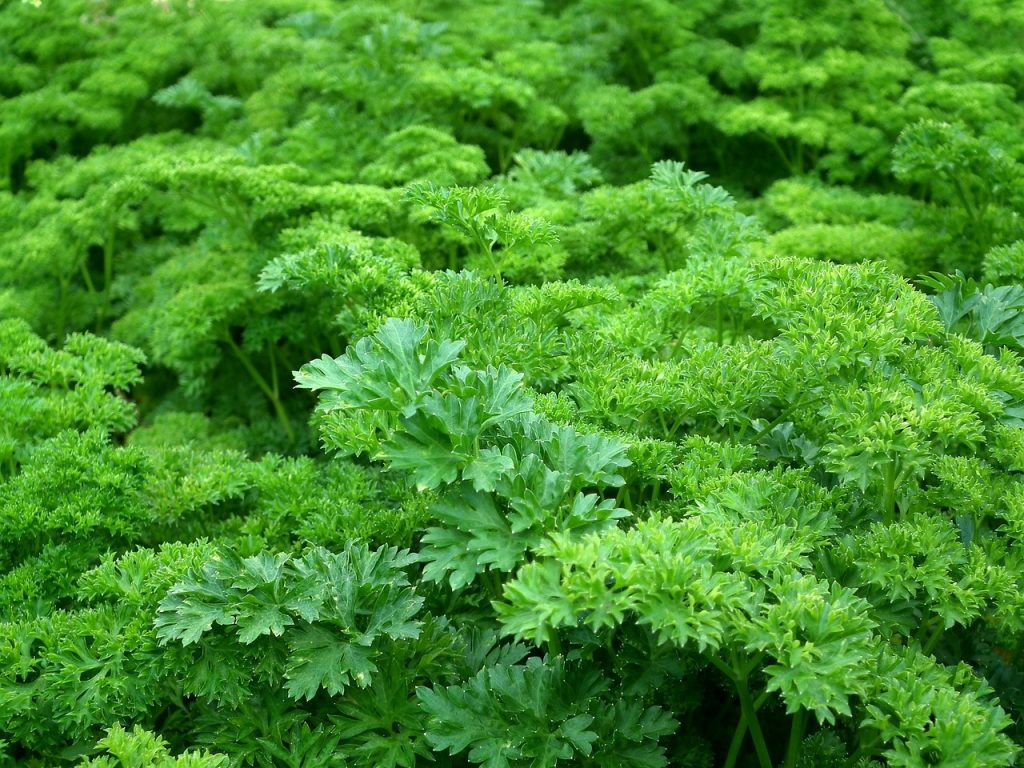
GARDENING TIPS
H : 45 – 60 cm
D : 30 – 45 cm
Soil : rich and well-drained.
Parts used : leaves, seeds, or roots. * Use the leaves and roots of the plant’s first year. The plant in its second year is mainly used for seed production.
PROPERTIES
Culinary, diuretic, depurative, appetite stimulant, digestive, emmenagogue, anti-inflammatory, antioxidant, and more. Its leaves are rich in vitamins A and C.
USES
Used for menstrual pain, water retention, kidney stones**, arthritis and rheumatism, etc. For cooking : its fresh or dried leaves can be used in various dishes such as soups, salads, tabbouleh, couscous, sauces.
CONTRAINDICATION
* Not recommended for medicinal use during pregnancy. * Excessive consumption can cause serious damage. * It is important to have a competent therapist accompany you while using this treatment for kidney stones.
Peppermint
French name : Menthe poivrée
Latin name : Mentha piperita
Family : Lamiaceae
GARDENING TIPS
H : 30 – 90 cm
D : 30 – 45 cm (indefinite, will spread)
Soil : rich and humid.
Parts used : leaves and flowering tops.
PROPERTIES
Aromatic, analgesic, antiseptic, anesthetic, stimulating, digestive, refreshing, culinary, etc. * It has the same properties as spearmint but stronger.
USES
Used for neuralgia, headaches, circulation, bloating, massages, digestion, oral hygiene, etc. For cooking : its refreshing, and slightly stronger flavour also pairs well with fresh beans, fruit, salads, desserts, cocktails, lemonade, etc.
CONTRAINDICATION
* Not recommended during pregnancy, breastfeeding, and for children under 2 years old. * Not recommended if you suffer from heart disease.
Pleurisy Root
French name : Pleurésie
Latin name : Asclepias tuberosa
Family : Apocynaceae
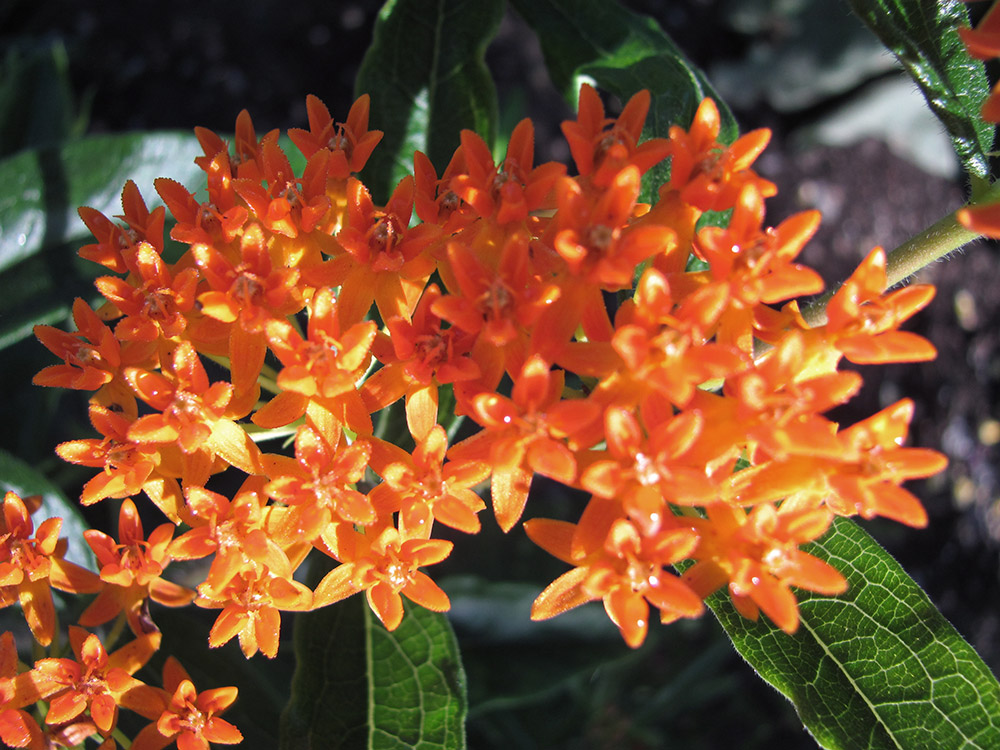
GARDENING TIPS
H : 30 – 60 cm
D : 25 – 45 cm
Soil : dry, sandy, neutral, or acid.
Parts used : roots.
PROPERTIES
Bitter, tonic, expectorant, diaphoretic, antispasmodic, etc.
USES
Used for pleurisy, bronchitis, pneumonia, asthma, dry cough, fever (colds, flu), gastritis, etc External use : for bruises, wounds, ulcers, rheumatism, etc.
CONTRAINDICATION
* Not recommended during pregnancy. * In excess can cause vomiting and diarrhea.
Purple Basil
French name : Basilic pourpre
Latin name : Ocimum basilicum purpurascens
Family : Lamiaceae
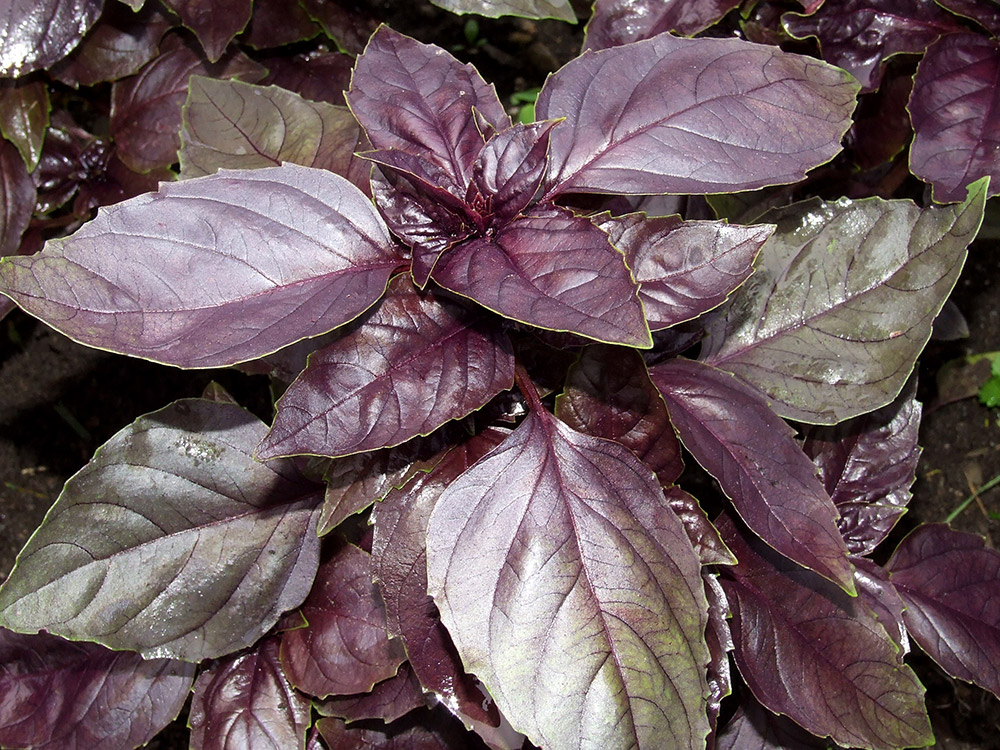
GARDENING TIPS
H : 30 – 45 cm
D : 15 – 30 cm
Soil : rich, light, and well-drained.(Leave the seeds in the light and cultivate at temperatures above15 °C to 20 °C)
Parts used : leaves and flowering tops.
PROPERTIES
A plant that has the same properties as the green basil: aromatic, culinary, digestive, calming, febrifuge, intestinal antiseptic, etc.
USES
Used for digestion, abdominal cramps, nervousness, nausea, headaches, fever, etc. Furthermore, it makes excellently flavoured vinegar and it is my favourite for herbal tea, as it adds beautiful colour and flavour to it. For cooking : with tomatoes, salads, pasta, etc.
CONTRAINDICATION
* Not recommended during pregnancy, breastfeeding and for children under 2 years old.
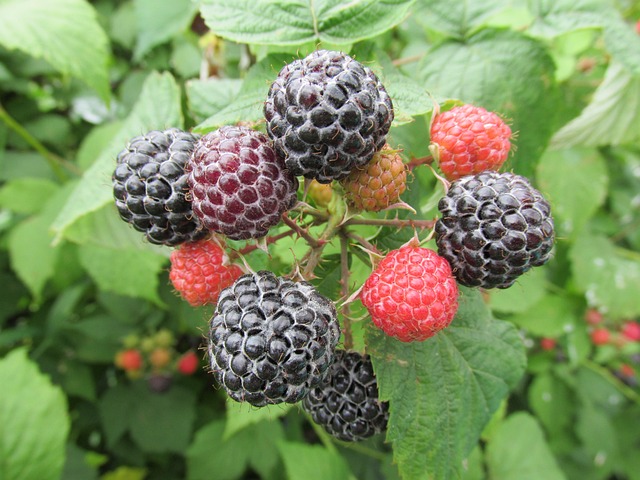
GARDENING TIPS
H : 1 – 1,7 m
D :1 – 2 m
Soil : well-drained, humid.
Parts used : leaves (before flowering) and fruit.
PROPERTIES
Astringent and circulatory, uterine relaxant, tonic, depurative, anti-inflammatory, stabilizes the ph, etc.
USES
Used for pregnancy, nausea, diarrhea, circulation, hemorrhoids, acidity, painful periods, etc. For cooking : its mineral-rich fruit is excellent in many desserts, salads, smoothies or lemonade, etc.
CONTRAINDICATION
* During pregnancy, avoid the first 3–4 months if you are vulnerable to miscarriages, from the 4th month on, put 1 leaf per cup of water (250 ml) and for the last month put 2–3 leaves per cup of water.
Red Clover
French name : Trèfle rouge
Latin name : Trifolium pratense
Family : Fabaceae
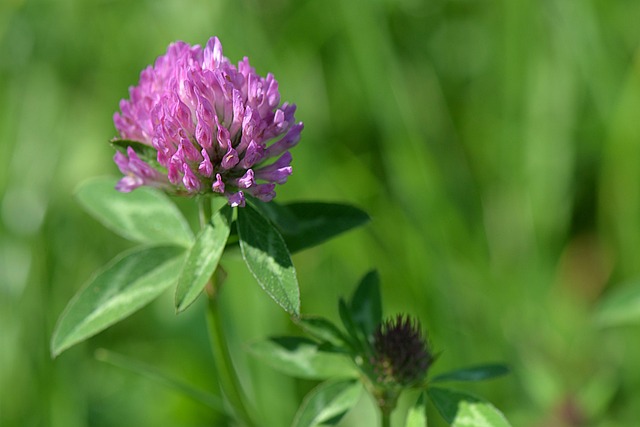
GARDENING TIPS
H : 20 – 50 cm
D : 30 – 50 cm
Soil : moist and well-drained.
Used parts : flowers and bracts when they open.
PROPERTIES
Refreshing, antiviral, relaxing, expectorant, estrogenic, diuretic, gently cleanses the blood, healing, etc.
USES
Used to alleviate symptoms of perimenopause, vaginal dryness, infertility, skin problems (eczema, psoriasis, etc.), gout, arthritis, and more.
CONTRAINDICATION
* Not recommended during pregnancy and breastfeeding, and for children under 2 years old.
Ribwort Plantain
French name : Plantain Lancéolé
Latin name : Plantago lanceolata
Family : Plantaginaceae
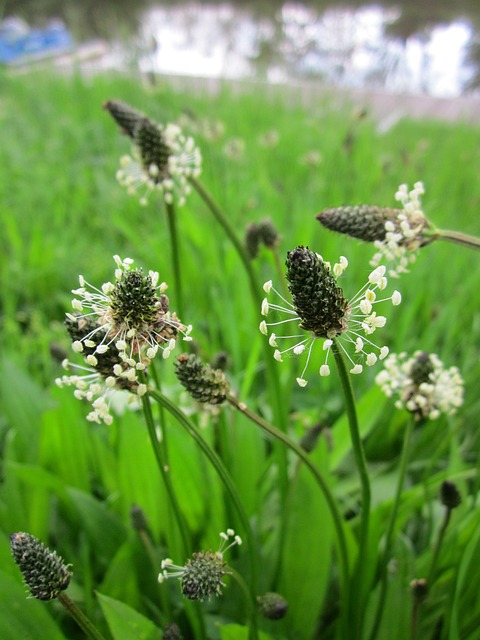
GARDENING TIPS
H : 60 cm
D : 45 cm
Soil : rich and well-drained.
Parts used : leaves or seeds.
PROPERTIES
This plant has the same properties as the Greater Plantain: astringent, antiseptic, healing, vulnerary, nourishing, anti-inflammatory, pectoral, hemostatic, laxative, etc.
USES
Used for inflammation or irritation, urinary tract infection, coughs, bronchitis, colds, sinusitis, asthma, earaches, ulcers, etc. For external use : insect bites, wounds, burns, irritations, itching, redness, hemorrhoids, and bleeding, used as a compress for the eyes, and more. For cooking : Its young fresh shoots are edible (slightly bitter) but quickly become tough so, cook them like spinach or put them in a food processor to make “pesto”. The raw flower buds can be added to salads, and more. Other uses : its long stems are used in basket making or for dried bouquet arrangements. Pick before the seeds ripen, as they tend to fall all over the place.
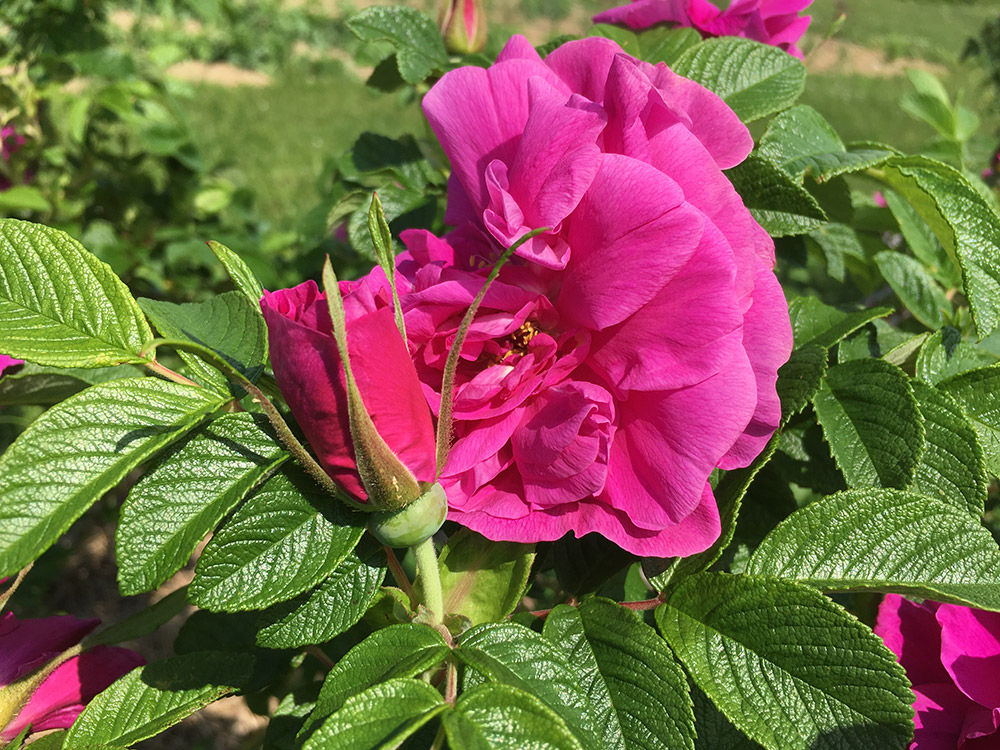
GARDENING TIPS
H : 1 – 2 m
D : 1 – 1,2 m
Soil : rich, moist, and well-drained.
Parts used : petals and fruit.
PROPERTIES
Aromatic and fragrant, appetite stimulant, digestive, calming, tonic, astringent, emollient, refreshing, regenerating for skin cells, soothing, edible, etc. * Roses are said to be the flowers of love, bringing joy and acting as a balm for the heart. Rosa Canina, Rosa Centifolia, Rosa Gallica, Rosa Damascena, Rosa Eglanteria, and Rosa X Alba, have relatively similar properties and uses.
USES
Used for fatigue, depression, sore throat, nervous digestion, loss of appetite, etc. External use : it can be used as floral water, essential oil, lotions, creams, for dry skin care, wrinkles, irritations, etc. For cooking : The petals, after removing the bitter white base, can be used in desserts, sugared, salads, lemonade, drinks, cocktails, etc. The fruit, called rosehip, is very rich in vitamin C when consumed raw
CONTRAINDICATION
*Caution: The interior of the fruit contains small irritating hairs that should not be consumed. If the fruit remains whole, it can be used for infusions.
Rosemary
French name : Romarin
Latin name: Rosmarinus officinalis
Family : Lamiaceae
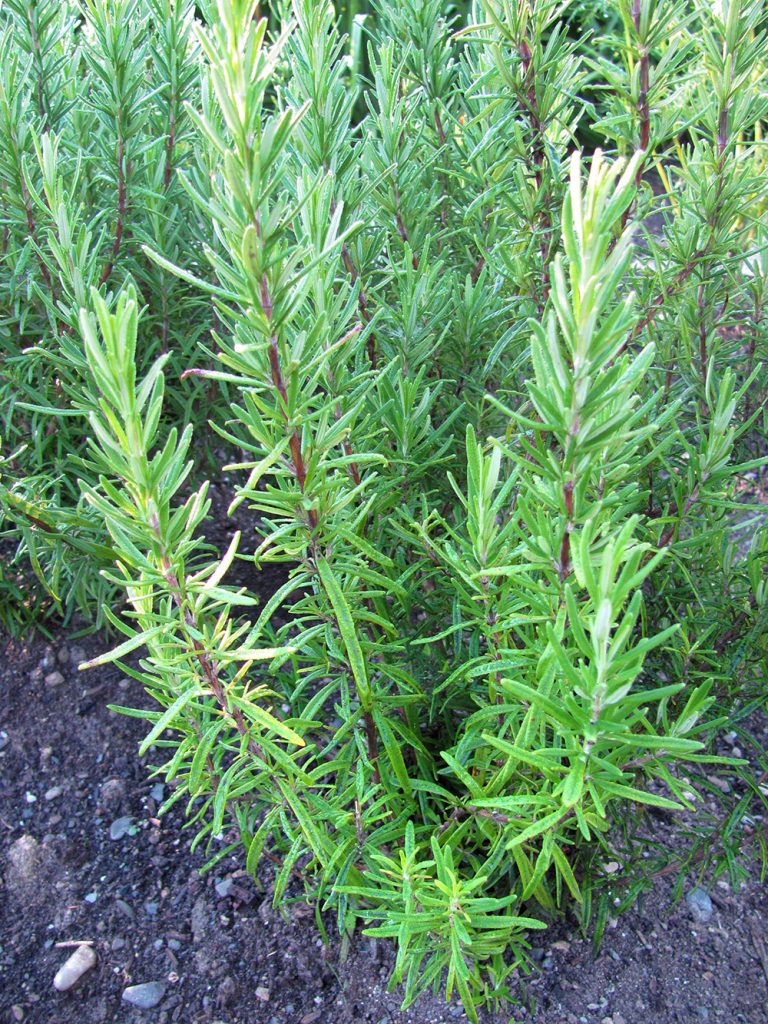
GARDENING TIPS
H : 45 cm – 2 m
D : 45 cm – 2 m (slow growth in our regions)
Soil : rich and well-drained.
Parts used : leaves and flowering tops. *Ideally, it should be grown in a pot and brought indoors in autumn. The roots don’t like to be disturbed. Prune after flowering to stimulate growth.
PROPERTIES
Reputed for its kidney benefits, tonic, cholagogue, antiseptic, stimulating, anti-inflammatory, stomachic, vulnerary, etc.
USES
Used to support kidney health, inflammation, fatigue, intestinal fermentation, menstrual problems, hair care, memory loss, high blood sugar, cough, bronchitis, colds, stomach ulcers, etc. External use : it can be used as an oil for muscle pain relief, and more. For cooking : it pairs well with poultry, lamb, meat in general, Greek-style potatoes, vegetarian pies, etc.*Caution: It should be used in very small quantities as it has a strong flavour.
CONTRAINDICATION
* Not recommended during pregnancy.
Rose Root
French name : Rhodiola
Latin name : Rhodiola rosea
Family : Crassulaceae
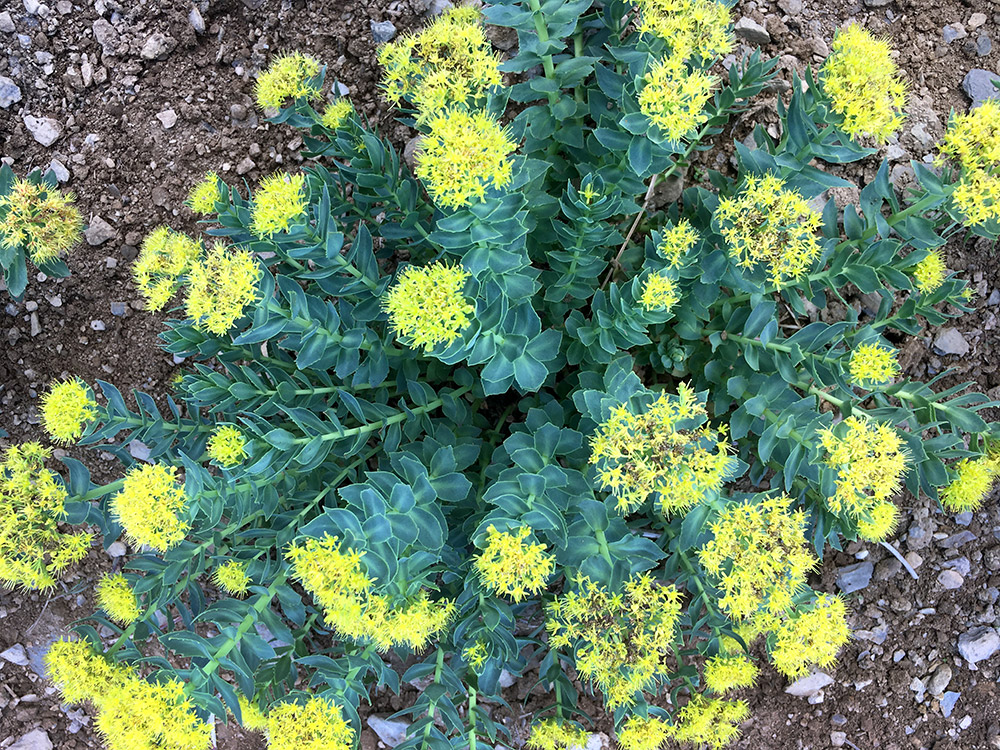
GARDENING TIPS
H : 20 – 30 cm
D : 30 cm
Soil : prefers dry or humid soil, well-drained but will grow in all types of soil.
Parts used : its flowers, but especially its roots (4 years).
PROPERTIES
An adaptogenic plant that nourishes and restores the nervous system and strengthens the immune system (immunomodulating), astringent, antidepressant, cardiotonic, antiarrhythmic, antioxidant, stimulant, hepatoprotective, anti-inflammatory, antidiabetic, etc
USES
Used for fatigue, exhaustion, improves cognitive functions (psychological), memory, and physical stamina. Helps manage depression, anxiety, loss of libido, the erectile dysfunction, arrhythmia, aging, high blood sugar, etc
CONTRAINDICATION
* Can be too stimulating for some people, use in the morning or at noon and only in small quantities. May affect sleep for some people * Refrain from using if you have been diagnosed with bipolar disorder, experience paranoia, have a susceptibility to psychotic states, or if you are currently taking lithium, anti-anxiety medications, or antidepressants.
